
Retirement Living takes an unbiased approach to our reviews. We may earn money when you click a partner link. Learn More
12 things retirees should think twice about buying brand-new
Buying used, refurbished, or even renting can help retirees stretch their savings

Updated:
key insights:
- Retirees may be spending more than necessary on everything from cars and recreational vehicles to computers, furniture, and exercise equipment.
- Buying used or refurbished products can save hundreds or even thousands of dollars, especially on items that quickly lose value or are rarely used.
- Not everything should be purchased secondhand, as safety, reliability, energy efficiency, and warranty protection are important considerations when deciding whether a used product is a bargain.
Retirement is supposed to be a time to enjoy the rewards of decades of work. But for Americans living on Social Security, pensions, and retirement savings, making those dollars last can require a different approach to spending.
One way to preserve savings is to reconsider the habit of buying everything brand-new. A recent report from the personal finance website Cheapism identifies 12 purchases that retirees should reconsider before paying full retail price. In many cases, the report suggests, buying secondhand, choosing refurbished products, or renting can deliver nearly the same benefits at a significantly lower cost.
The advice isn’t to stop spending money or enjoying retirement. Instead, it’s to avoid paying a premium for products that may lose value quickly or receive only occasional use.
Big purchases deserve extra scrutiny
Among the most expensive purchases retirees should reconsider are new automobiles and recreational vehicles.
A new car begins losing value almost immediately, and retirees who drive relatively few miles may have little reason to pay for the latest model. A well-maintained used vehicle, particularly a certified pre-owned model, may offer dependable transportation for considerably less money.
However, buyers should obtain a vehicle history report and arrange an independent mechanical inspection before purchasing.
Recreational vehicles present an even bigger potential financial commitment. While traveling across the country in a motorhome may sound like an ideal retirement adventure, ownership brings expenses beyond the purchase price, including insurance, fuel, maintenance, storage, and campground fees.
For retirees planning only a few trips each year, renting an RV may make more financial sense. Renting also provides an opportunity to discover whether the lifestyle is as enjoyable as anticipated before making a major investment.
Technology doesn’t have to be the latest model
Computers and smartphones are two other categories where retirees may be paying more than necessary.
Someone who primarily uses a computer for email, online banking, shopping, and video calls probably doesn’t need the newest or most powerful laptop.
A manufacturer-refurbished computer can often perform those tasks adequately at a lower price. The important considerations are warranty protection, sufficient memory, and an operating system that continues receiving security updates.
The same principle applies to smartphones. A refurbished phone may offer the features most retirees need without the premium price attached to the latest model.
However, consumers should check battery condition, carrier compatibility, and the availability of future software updates before purchasing.
Hobbies can become expensive before they become habits
Retirement often provides more time for recreation, exercise, and outdoor activities. But Cheapism cautions against investing heavily in equipment before determining how frequently it will actually be used.
Exercise bikes and treadmills can cost hundreds or thousands of dollars, only to sit unused after the initial enthusiasm fades.
Joining a gym or purchasing inexpensive exercise equipment may be a better first step.
Golf clubs, fishing equipment, and other recreational sporting goods are also widely available secondhand. Used equipment may be perfectly adequate for someone learning a new activity.
Camping and hiking equipment can present similar opportunities for savings. Tents, backpacks, and other outdoor supplies can often be purchased through resale outlets.
However, safety-critical equipment, including helmets and climbing protection, should generally be purchased new when its previous use and condition cannot be verified.
Household purchases offer savings opportunities
Retirees who are downsizing or redecorating may also find substantial savings by shopping at estate sales, consignment stores, and thrift shops.
Dining room tables, chairs, bookcases, and other furniture can remain useful for decades. In some cases, older solid-wood furniture may be more durable than less expensive new products.
Decorative accessories, artwork, and mirrors are other items that can often be purchased secondhand without sacrificing quality.
Books are another category worth reconsidering. Used bookstores and library sales offer inexpensive alternatives to new hardcover editions, while public libraries allow retirees to borrow books at no cost.
The report also questions whether retirees need a second refrigerator or freezer. Smaller households may no longer require the additional food storage, and an extra appliance can increase electricity costs.
In this case, however, buying used isn’t necessarily the best solution. Older refrigerators can be inefficient, potentially eliminating much of the savings from a lower purchase price.
Tools and equipment may be better rented
Home improvement projects are another area where retirees can overspend.
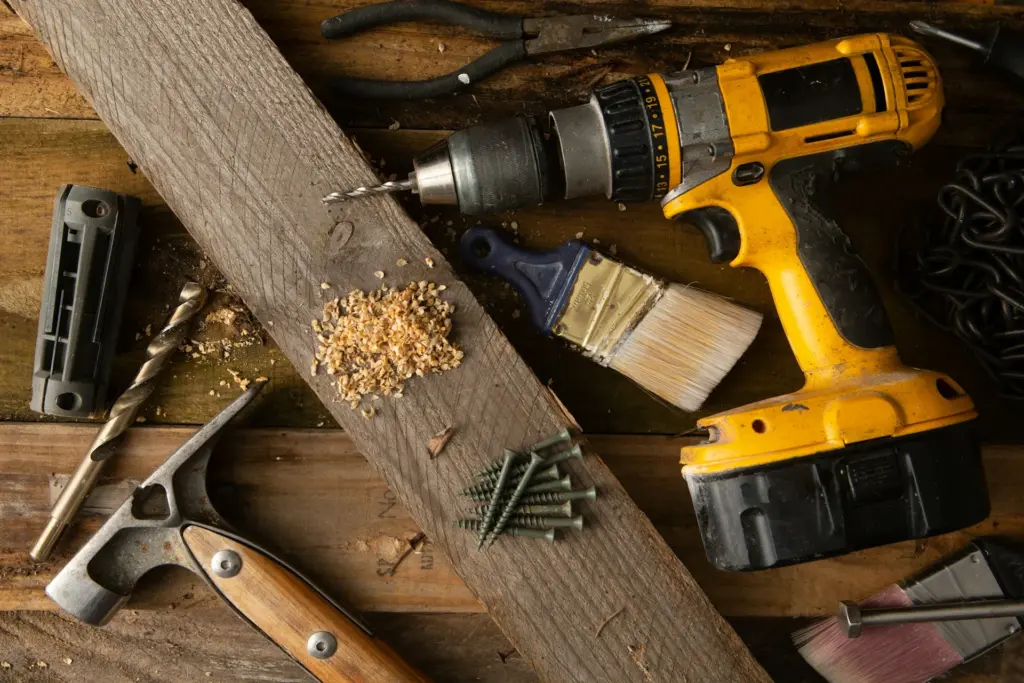
Purchasing a complete collection of power tools for occasional repairs may not make financial sense, particularly when specialty equipment will be used only once or twice.
Tool rental businesses and community tool-lending libraries can provide less expensive alternatives.
For equipment that will be used regularly, reconditioned tools may offer savings, provided they are inspected for damaged cords, missing safety guards, and other hazards.
When buying new is the better choice
While secondhand purchases can help preserve retirement savings, the lowest price isn’t always the best value.
Products involving personal safety, electrical hazards, or potentially expensive repairs deserve extra scrutiny.
The same is true of electronics that may no longer receive security updates and appliances that consume substantially more energy than newer models.
Before purchasing a used product, retirees should consider its remaining useful life, expected maintenance costs, warranty protection, and whether replacement parts are available.
Another useful question is whether the item needs to be purchased at all.
Renting, borrowing, or simply waiting until a genuine need arises can sometimes save more than buying used.
For retirees, the larger lesson is that protecting savings doesn’t necessarily mean giving up enjoyable experiences. It means spending selectively and making sure each purchase delivers lasting value.
A dollar saved on an unnecessary purchase today is a dollar that remains available for future travel, health expenses, or unexpected financial needs. And when retirement savings must last for decades, those decisions can add up.