
Retirement Living takes an unbiased approach to our reviews. We may earn money when you click a partner link. Learn More
Alternatives to Medical Alert Systems
Smartwatches, voice assistants, home pagers, and environmental monitors are good alternatives to medical alert systems.


Updated:
At a glance:
- A medical alert system is a personal emergency response device with a help button typically worn as a necklace or wristband.
- The main alternatives include smartwatches, home pagers, and passive environmental monitors that detect motion and heat signatures.
- Important medical monitoring features to consider include fall detection, caregiver apps, cellular connectivity, GPS tracking, two-way communication, and water-resistant designs.
If you or a loved one is planning to age in place or has an increased risk of falls, investing in a medical monitoring system is a great way to ensure immediate assistance in emergency situations. If you fall, a monitoring system allows you to contact a live response center, family members, emergency services, or a dedicated caregiver.
While a traditional medical alert system is a good place to start, there are some alternatives worth considering.
What Is a Medical Alert System?
A medical alert system is a personal emergency response system (PERS) that monitors a person’s well-being and provides emergency response services. A medical alert system typically consists of a wearable button, such as a necklace or wristband, that connects to a 24/7 monitoring center.
Many medical alert systems integrate with smart technology, such as speakers, smartphones, and wearables, allowing you and your caregivers to check in on your well-being, get alerts, and call for help.
Most medical alert systems include these main features:
- Help Buttons: Connect the user to a live operator via a two-way speaker or sends alert to the caregiver.
- Fall Detection: Built-in sensors detect hard falls and automatically call for help even if the user cannot push the button.
- GPS Location Tracking: Shares the user’s exact location with first responders or family members.
Types of Medical Alert Devices
There are different types of medical alert devices, ensuring you can find a system that works for your lifestyle and budget.
- Monitored and Unmonitored: A monitored system connects to a dedicated response center, providing two-way communication, and has a monthly fee. An unmonitored system does not connect to any live response centers; in emergencies, it connects to family, a caregiver, or 911. They have no monthly fees.
- In-Home Systems: In-home monitoring devices can use a landline system or a cellular connection. They can come in the form of a wearable device or a wall button, but they have a limited range and typically only function in the home.
- Mobile Systems: Mobile alert systems run on batteries, allowing you to safely leave the house and connect to emergency services if needed. They usually include GPS tracking so users can call for help away from home wherever there is cell service. They often come in the form of a wearable help button, such as medical alert necklaces and wristbands.
Medical Alert System Alternatives
While medical alert systems are a great way to monitor a loved one’s health and well-being, they may not work for everyone. Below, we explore the main alternatives to medical alert systems.
Smartwatches & Smart Technology
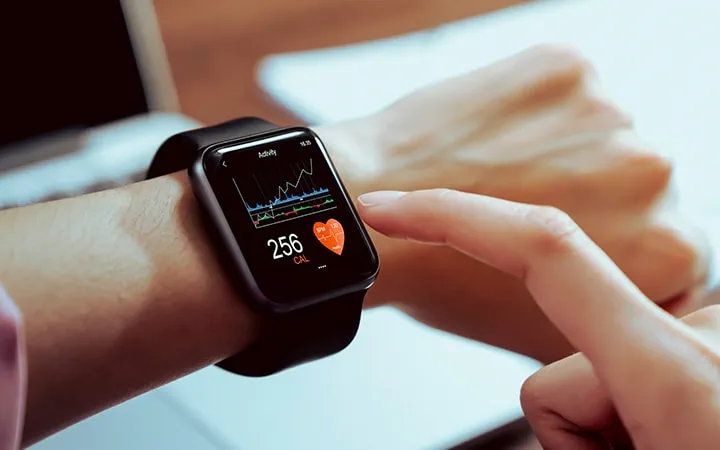
If you already own a smartwatch such as an Apple Watch or a Samsung Galaxy Watch, you may already have built-in fall detection, depending on the series; however, you may need to set up a profile in a specific app. Smartwatches are a great all-in-one alert device, offering professional monitoring services such as daily health tracking, GPS tracking, emergency SOS functions, life alerts, and traditional watch features.
Similar alternatives include smart speakers and voice assistants like Alexa or Google Home. These are non-wearable options and allow voice-activated 911 calls. Like smartwatches, they have multiple features and functions, streamlining ease at home while limiting clutter.
Unmonitored Home Buzzers
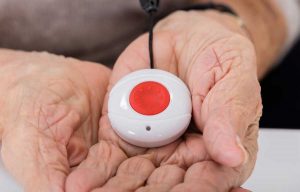
Unmonitored home buzzers can include wireless caregiving pagers, which are inexpensive, waterproof call buttons that send an audible alert to a plug-in receiver in another room, letting the caregiver know there is an emergency. Similarly, you may consider a local panic button designed for short-range in-home use.
Passive and Environmental Monitors
Passive monitoring systems can be placed in high-traffic areas (bathrooms, hallways). They can use motion detection or infrared to detect falls and send notifications to a family member or designated caregiver if daily routines are disrupted or if an exit door opens unexpectedly.
These are good for those who do not want to wear a device or those who struggle with voice-activated technology.
Features to Consider in Alternative Medical Alert Systems
When looking for an alternative to medical alert systems, consider devices that offer key health monitoring, activity or location tracking, and helpful caregiver features to ensure you or your loved one has the best chance of receiving aid in an emergency.
- Cellular Connectivity: Enables mobile emergency support by using built-in cellular networks instead of landline systems.
- Fall Detection: Automatically senses a hard drop or fall and calls for help, even if the button cannot be pressed.
- Health Tracking: Acts as a heart rate monitor and step counter. You can also set up medical profiles for emergency response centers to use, storing health history, allergies, and medications.
- GPS Tracking: Pinpoints the user’s exact location, ensuring they do not get lost and can be found quickly in an emergency.
- Caregiver Apps: Some advanced alternatives may offer tools that allow family members to check device battery levels, view location, or receive alert notifications.
- Two-Way Speakers: Built-in speakers and microphones allow for direct communication with mentoring centers or caregivers.
- Water-Resistant Design: Ensures the device continues to function in high-risk areas, such as showers or baths.
Depending on your situation, you may not need all the features listed above. But if the user lives alone or apart from the caregiver, then the more features included, the faster aid can be delivered. Always evaluate your personal circumstances before choosing a medical alert system. If you’re not sure which system would be best, seek advice from a medical professional or an experienced caregiver. The safety of you and your loved ones is the most important factor.
The Bottom Line: Alternatives Medical Alert Systems
Medical alert system alternatives allow people to ensure that their loved ones receive life-saving care in a timely manner without disrupting their lifestyle. Solutions include SOS smartwatches, home voice assistants, unmonitored home buzzers, and passive environmental monitoring.
However, if you find a traditional medical alert system is the better solution, consider providers like. For more advice, consider reaching out to your local Area Agency on Aging, which is an organization that helps older adults live independently at home.
Frequently Asked Questions (FAQs): Alternatives Medical Alert Systems
While Original Medicare does not cover medical alert systems, some private Medicare Advantage plans may offer partial or full coverage. If you do not have a Medicare Advantage plan, then you can often use tax-free health savings accounts (HSAs) or flexible spending accounts (FSAs) to pay for the monthly fees.
The monthly cost of a medical alert protection plan depends on the provider and the type of system. The average monthly cost typically ranges from $20 to $30, but more advanced devices may cost $50 to $90+ per month.
Fall detection features are best for older adults who live alone, have a history of falls, or have health or balance issues. It’s a valuable smart feature that can save lives; however, it’s best not to rely solely on fall detection. Help buttons and two-way communication features are also valuable tools that should be utilized.
While the best medical alert device depends on your needs and circumstances, many users agree that Medical Guardian, ADT Medical Alert, Lively Mobile2, and Bay Alarm Medical are among the best providers of medical alert systems, offering features such as fall detection, GPS tracking, long battery life, and multiple connection types.
Help us improve our cost data! Email your latest medical alert system quote to [email protected]. Rest assured, your personal details will remain completely confidential.