
Retirement Living takes an unbiased approach to our reviews. We may earn money when you click a partner link. Learn More
Best Medical Alert Systems Without Landlines of 2026
Need a medical alert system without a landline? Here we compare types and features, while weighing the pros and cons.


Updated:
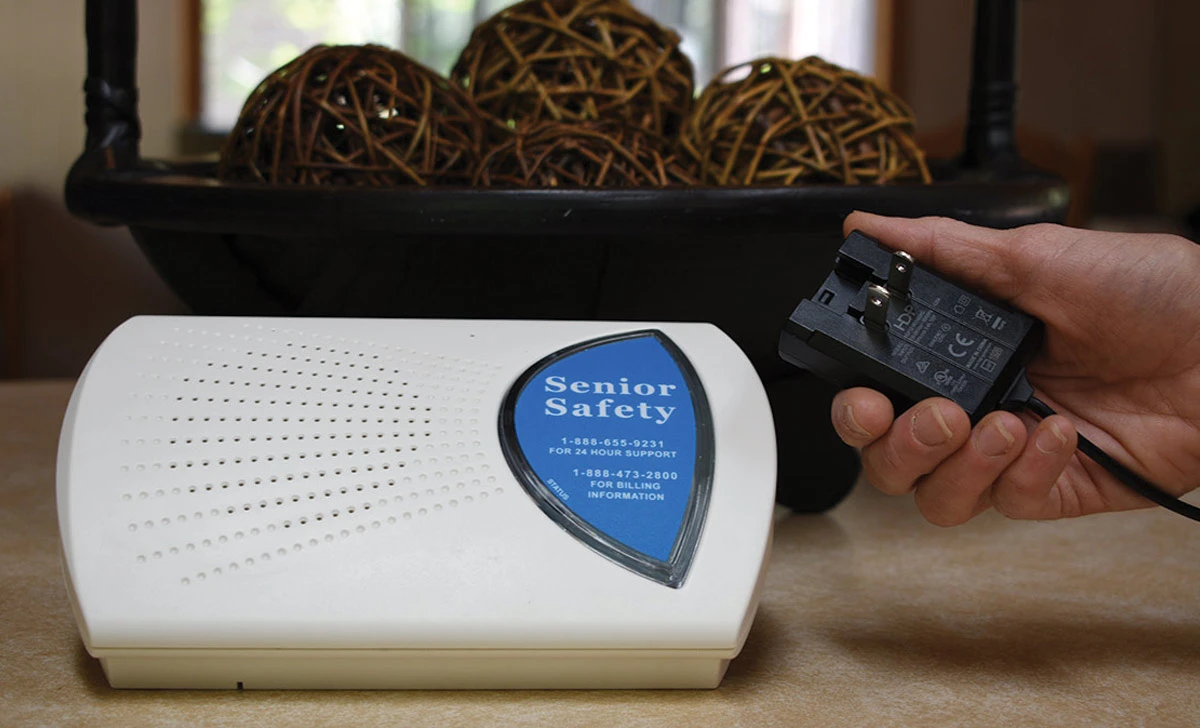
Our research identified Medical Guardian, ADT Medical, and Bay Alarm Medical as the best medical alert systems without a landline. Each of our top picks offers a combination of reliable coverage and safety features to give loved ones and their caregivers peace of mind while they age in place.

4.7
Medical Guardian’s tagline, “Life Without Limits,” shows its mission. The company aims to help customers live independently. Medical Guardian provides five in-home or mobile systems. They also have a medical alert smartwatch and the MGMini wearable alert button.
- Great variety
- Call chain for caregivers
- Sleek, stylish wearable devices

ADT’s Medical Alert and On-the-Go systems are in-home and portable medical alert systems that cost around $1 per day. Your bill will never increase unless you upgrade medical alert services with ADT’s ForeveRate™ guarantee.
- Great plans
- Home temperature monitoring
- Fixed-rate service
Bay Alarm Medical is a medical alert system that offers 24/7 monitoring and trained professionals to assist during urgent situations. Bay Alarm, the parent company, has been protecting its clients for almost 80 years.
- Great customer service
- Vial of Life included with purchase
- Free spouse monitoring
How We Chose the Best Medical Alert Systems Without Landlines
To identify the best medical alert systems without a landline, we started with our previous research that identified the 12 best medical alert systems. These systems are designed to keep older adults safe as they age in place, knowing help is just a push of a button away.
Since we already know these picks meet Retirement Living standards, we narrowed the list down to those brands that offer medical alert systems without a landline. We then evaluated each on a number of reliability and safety issues and consulted performance reviews and customer satisfaction.
The following medical alert systems are our top picks for those without a landline.
Comparing the Best Medical Alert Systems Without a Landline
Use the following chart as a quick comparison when deciding on the best medical alert system with a landline.
| Brand | Cellular Service | Backup Battery | Two-Way Speaker | Automatic Fall Detection |
|---|---|---|---|---|
| Medical Guardian | Leading, reliable U.S. networks | Yes – 32 hours | Yes | Optional |
| ADT Medical | AT&T | Yes – 40 hours | Yes | Optional |
| Bay Alarm Medical | AT&T or Verizon | Yes – 32 hours | Yes | Optional |
Medical Alert Systems Without Landlines Reviews
Medical Guardian Review
Great variety
|
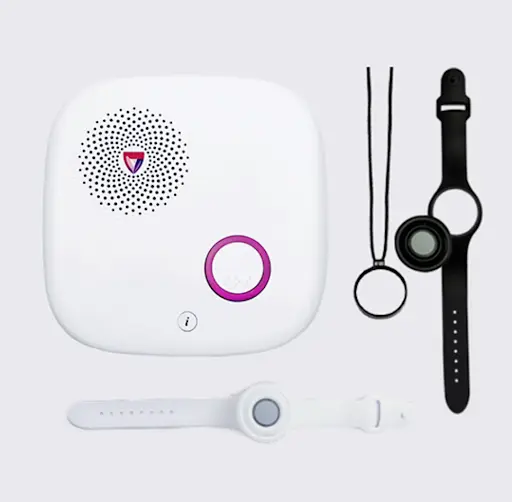
Medical Guardian offers a large selection of medical alert devices, including several on-the-go mobile system options, a landline, and a cellular in-home medical alert option. The latter works on highly reliable leading U.S.-based networks, allowing users to maintain emergency coverage at home without relying on a landline service.
The MGHome Cellular system includes a base unit with built-in two-way communication. In the event of an emergency, simply press the button on your device to speak directly with trained agents in the monitoring center. First responders will be able to quickly assess the situation and decide on the appropriate response – whether that is contacting family or sending emergency services.
Coverage extends up to 1,400 feet from the device, and it comes with a 32-hour battery backup. It also comes with access to the member portal and app, which enables caregiver alerts and connection.
Some Medical Guardian medical alert devices also offer automatic fall detection. When a fall is detected, this added layer of protection automatically alerts the monitoring center, even if the user cannot manually activate the system.
For more information, read our full Medical Guardian review.
ADT Medical Alert Review
Great plans
|
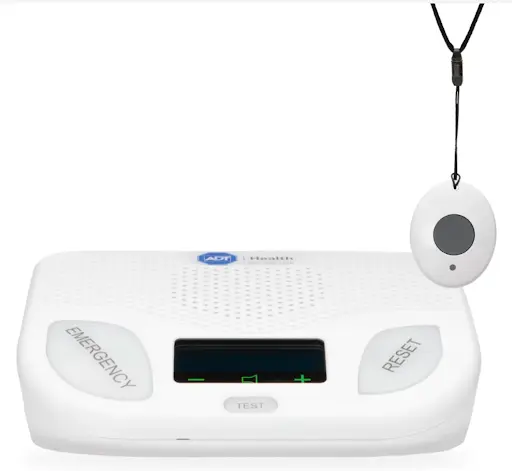
ADT Medical Alert offers an in-home cellular system that primarily connects via the AT&T LTE network, allowing users to receive emergency protection without a landline. Its systems are built around simple and fast – 15 seconds on average- monitored responses with easy installation and reliable coverage.
The ADT Medical Alert Plus system is the cellular network option. It includes a base unit with built-in two-way voice communication. When you press the help button, you’re immediately connected to ADT’s 24/7 monitoring center, where trained agents assess the situation and coordinate a response.
The system has an operating range of 600 feet from the base unit – a range that allows most users to move through the home and connected outdoor areas. A backup battery that lasts up to 30 hours is included in case of a power outage.
ADT also offers access to a caregiver mobile app, where family members can receive alerts and monitor system activity. Select ADT systems include automatic fall detection and home temperature monitoring.
For more information, read our full ADT Medical review.
Bay Alarm Medical Review
Great customer service
|
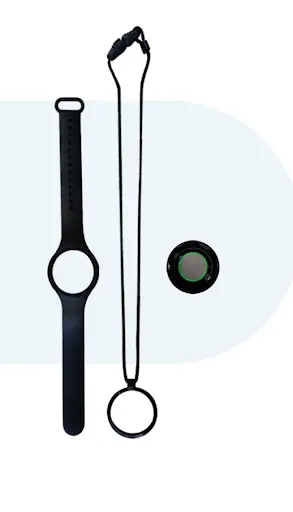
Bay Alarm Medical offers several medical alert systems. The SOS Home Cellular system is available as a landline or cellular system that uses 4G LTE cellular connectivity. It automatically operates on either the AT&T or Verizon network, depending on which offers the strongest coverage in your area.
The SOS Home cellular system includes a base unit with a built-in two-way speaker and a wearable help button. In the event of an emergency, press the button to communicate directly with a trained monitoring agent, who can assess the situation and contact family members or emergency services. The system is designed for easy plug-and-play installation and includes 24/7 professional monitoring.
With the SOS Home system, you get coverage up to 1,000 feet from the base, which covers most homes and connected outdoor areas. The base station also includes a 32-hour backup battery in case of a power outage. Bay Alarm Medical offers free spouse monitoring, optional automatic fall detection, additional help buttons, and a mobile app for caregivers on select monthly or annual plans and devices.
For more information, read our full Bay Alarm Medical review.
Mobile vs. Cellular vs. Landline Medical Alert Devices
There are several types of medical alert systems based on how they connect to emergency monitoring services. This connection determines where the medical alert device can be used. Take a look:
Landline Medical Alert Devices
Landline medical alert systems connect through a traditional home phone line and are designed for use in a fixed location. They require an active landline and won’t function outside of the home. The base unit plugs into the landline, allowing users to press a wearable help button to contact a monitoring center. These systems are best if you or your loved one spends most of their time at home.
Cellular Medical Alert Devices
Cellular systems operate without a landline and instead use a base that connects through cellular networks. They communicate directly with a monitoring center using built-in cellular technology. This eliminates the need for a traditional landline phone service. These systems are popular in homes with reliable cellular coverage and provide flexible in-home protection without being tied to a phone jack. But it’s important to note that while they are cellular, they’re not mobile devices. Meaning they can’t operate too far away from the base, and that distance varies by provider.
Mobile Medical Alert Devices
Mobile medical alert systems also connect via cellular service but are not tied to a base. Instead, they have built-in cellular connectivity, GPS location, and emergency response from anywhere. These devices are good to use inside and outside the home and are best if you’re on the go and want protection beyond your home. Much like a cell phone, they require regular charging to maintain battery life and functionality.
Features of the Best Medical Alert System Without a Landline
The best medical alert systems without a landline require certain features to provide greater peace of mind for you and your loved ones. The following are the features we recommend you look for in a medical alert system without a landline.
Reliable Cellular Service
The single most important feature in a medical alert device without a landline is a strong cellular connection. Since these systems don’t rely on a traditional landline, a reliable cellular connection allows the device to reach a response center when the help button is pressed. Many systems rely on major nationwide networks such as AT&T and Verizon to maintain reliable coverage.
Backup Battery
A backup battery ensures the medical alert system operates during a power outage. Since cellular in-home systems rely on a powered base unit, the backup battery keeps the device active so you can still contact a monitoring center if the power goes out. This feature adds reliability, especially in areas where storms or outages are more common.
Two-Way Voice Communication
In addition to a reliable cellular connection, two-way voice communication is also a key component. It allows users to speak directly to emergency services via either the base station or the device. This helps the monitoring center do a timely assessment of the situation and determine the appropriate response.
Automatic Fall Detection
Automatic fall detection adds an extra layer of protection. Devices with this feature can identify falls and trigger an alert to a monitoring center, even if the user is unable to press the help button. While not 100 percent accurate, this feature is valuable if you or your loved one is at a higher risk of falls.
Additional Helpful Features for Medical Alert Systems Without a Landline
Other features that are helpful to have in a medical alert system without a landline include water-resistant buttons and wearables for activities like showering, as well as a companion app with caregiver alerts and notifications. These features are often add-ons for an additional cost.
Pros and Cons of a Medical Alert Device Without a Landline
Medical alert systems that do not require a landline offer more flexibility than traditional landline-based systems, but they still come with a few trade-offs worth considering.
Pros
- No need for a traditional landline phone service
- Easy setup
- Reliable coverage
- Works with modern home setups that have cut the cord
Cons
- Depends on the cellular signal strength in the home
- Base unit requires power and needs a backup battery
- Some features cost extra
- Coverage range varies by brand and in some cases by model
Frequently Asked Questions (FAQs) about Medical Alert Systems Without Landlines
A cell phone can be used to call for help in an emergency, but it is not a substitute for a medical alert system. Medical alert devices are designed for quick, one-button access to a monitoring center and often include features like fall detection and 24/7 professional response.
No, most medical alert systems without a landline do not require Wi-Fi or home internet. Instead, they work on cellular networks to connect to a monitoring center.
A landline system connects via a traditional home phone line, while a cellular system uses a cellular network.
The price of a home medical alert system without a landline depends on the brand, model, and features, but most systems include an upfront equipment fee, an activation fee, and a monthly fee or annual monitoring fee, and no hidden fees. Basic plans are cheaper, while systems with features like fall detection or mobile connectivity cost more. Most come with a free lockbox and optional add-ons, such as a protection plan, as well as additional accessories and wearable devices like medical alert buttons, lanyards, wristbands, or a smartwatch.
Concluding Thoughts on Medical Alert Systems Without Landlines
Bottom Line: No landline, no problem. You can still get a reliable medical alert system without a landline. Instead of relying on a landline, brands like Medical Guardian, ADT Medical, and Bay Alarm Medical offer medical alert systems that use cellular services to connect to emergency monitoring systems.
The best systems use a reliable cellular service and include essential safety features, such as backup batteries (in case of a power outage), fall detection, and automatic fall detection. They also tend to be easier to set up than those systems that require a traditional landline. Older adults and their family members can rest easy knowing they can age in place with emergency services and first responders just a button push away, even if they don’t have a traditional landline.