
Retirement Living takes an unbiased approach to our reviews. We may earn money when you click a partner link. Learn More
Alternatives To Walk-In Tubs
There are several alternatives to walk-in tubs that provide safer bathing, including full walk-in showers, various shower chairs, enhanced bathtub safety features (grab bars, anti-slip mats, etc.), and even medical alert systems.


Updated:
At a glance:
- If you have the finances for full bathroom remodeling, walk-in showers, hydrotherapy installations, and wheelchair-accessible upgrades, these provide the safest bathing experience as an alternative to walk-in bathtubs.
- Basic shower chairs, grab bars, and other simple bathtub safety add-ons, as well as medical alert devices, are typically the least expensive upgrades—addressing limited mobility at an affordable cost.
- Popular and well-reviewed producers of bathroom safety products include Safe Step, Independent Home, American Standard, Kohler, and Medical Guardian.
If you or a senior loved one struggles with mobility issues, you may have considered installing a walk-in tub. However, when walk-in tubs are either too expensive or unavailable, there are other DIY and professional options out there that can improve bathing safety. From simple shower chairs to hydrotherapy tubs featuring massage jets, there’s an alternative for every budget and medical need.
Luckily, our team analyzed a variety of different walk-in tub alternatives so senior homeowners can find a cost-effective way to age in place. Read on to find the best solution for your situation.
Why Look for Walk-In Tub Alternatives in the First Place?
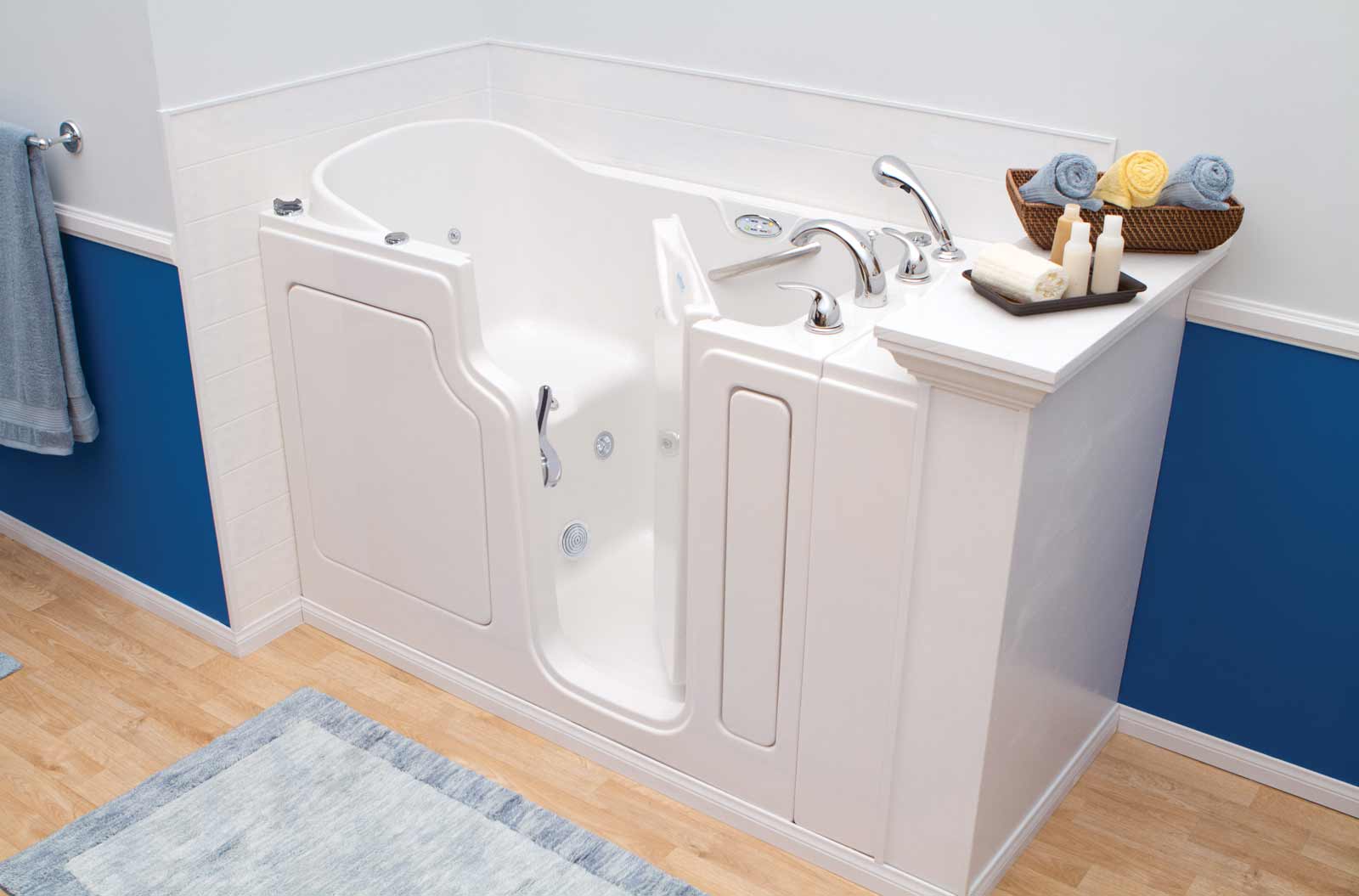
Walk-in tubs have their pros, but there are a few reasons why some seniors look for alternatives. By far the biggest complaint is slow draining, as you’ll need to stay seated inside the tub until the water fully drains (usually several minutes) in order to open the exit door. The door itself is also a common failure point. For instance, a broken door seal can lead to leaks that damage the bathroom floor over time.
Installation is another hurdle. The process is rarely simple, since these tubs might demand extra plumbing or structural reinforcement, and they don’t fit in every bathroom. If a walk-in tub can’t fit inside the space, it doesn’t really matter if you can afford one.
Altogether, these three primary drawbacks might make one of the alternatives listed below more functional. Learn more about how a walk-in shower installation can help you avoid door seal issues, or how simple grab bars and non-slip mats can decrease fall risk while avoiding high upfront costs.
1. Traditional Bathtub Accessories and Upgrades
Not every bathroom accessibility solution needs to be a major renovation or expense. Consider these options if you have a limited budget, a small bathroom or only minor mobility concerns.
Non-slip mats and coatings
Depending on how permanent you want the solution to be, you can choose either a low-cost mat or a slip-resistant coating. Most shower mats cost less than $100, with many costing as little as $20. A non-slip coating will likely cost more, though there are both professional and DIY options.
Handrails and grab bars
For a few hundred dollars or with DIY expertise, homeowners can install wall- or tub-mounted fixtures that are easy to grab when needed. Tub-mounted grab bars are designed to help people with disabilities enter and exit the tub, while wall-mounted handrails provide steady support during bathing. They come in a variety of materials, shapes, and sizes, all of which impact the price.
Handheld shower heads
Turn a basic soaking tub into a tub-shower combo with a simple handheld showerhead installation. Combined with a sturdy shower chair or transfer bench, these sprayers allow seniors and their caregivers to rinse and bathe while seated, reducing the fall risk. Most models cost between $20 and $100, with higher-end versions offering multiple spray settings, longer hoses, and easier-grip handles for added comfort.
Bathtub cut-out conversions
When you need a lower step-in threshold to improve home safety but don’t have the budget for a full bathroom remodel, a tub cut-out requires minimal construction. The process involves removing a section of the existing tub wall and then installing a step-through insert. DIY kits cost anywhere from $300 to $600, but we generally recommend professional installation ($1,000 to $3,000) for proper sealing and finishing.
Please note that this option doesn’t work for every tub material, with fiberglass and acrylic tubs being easier to modify than cast iron tubs. The cut-out also won’t address other accessibility needs like seating or hydrotherapy.
2. Bathroom Safety Equipment
Bathroom safety equipment can range from inexpensive shower chairs to more complex bath lifts, but they are all standalone solutions that don’t require home renovations.
Basic shower chairs
As the name suggests, basic shower chairs are simply waterproof seats that help disabled seniors avoid standing while bathing. You can find them anywhere (Amazon, Lowe’s, or Home Depot) at affordable prices between $30 and $200. Keep in mind that the chair’s structure and material impact weight limits, so always check that the product you’re viewing is strong and durable before you buy.
Transfer benches
To avoid slips and falls when stepping over the tub wall, seniors can invest in a transfer bench—typically priced between $50 and $200. These extendable contraptions make transitioning in and out of the tub simple and easy by allowing users to pivot around without leaving the bench. They can be adjusted to fit multiple different-sized tubs.
Roll-in shower chairs
As long as you have a low-threshold shower or bath, roll-in shower chairs are a great wheelchair-accessible solution for seniors with severe mobility issues. They include a water-resistant design and secure locking mechanisms. While roll-in options provide more safety than a basic shower chair or transfer bench, they’re usually more expensive, costing anywhere from a few hundred dollars to over a thousand.
Bath lifts
Bath lifts allow seniors to lower and raise themselves into the tub with the touch of a button, without caregiver assistance. They come in a variety of types and price points, with the most common being motor-driven ($1,000–$3,000), battery-powered ($400–$800), or hand-crank systems ($300–$500). They often come with warranties and can further enhance your bathing experience with add-ons like floating hand controls and adjustable recline positions.
3. Walk-In Showers & Other Bathroom Remodels
If cost isn’t an issue, there are a few other home improvements (besides walk-in tubs) that can help with safe bathing. Trusted brands for solutions such as walk-in showers and specialized tubs include Safe Step, Independent Home, American Standard, and Kohler. However, please note that the availability of the installation you want depends on where you live.
Walk-in showers
Walk-in showers can be cheaper than a walk-in bath, costing between $800 and $15,000 on average, compared to $2,000 to $20,000. Realistically, though, the two often have similar prices post-installation. Walk-in showers generally offer more design options and can even come with a built-in shower seat or special non-slip surfaces.
- Already have a tub? Tub-to-shower conversions are a mid-range option worth considering. Typically, a contractor will remove the old tub and install a prefabricated shower kit with built-in seating. This is a faster, cheaper and less invasive process compared to a complete remodel. Plus, it usually has a positive resale impact since most buyers expect a shower, not a tub, in the primary bathroom.
- Need more wheelchair accessibility? For wheelchair users aging in place, a low threshold still might not be enough to properly reduce the risk of falls and other accidents. Luckily, there are barrier-free showers, also known as curbless showers, that remove the threshold entirely for true roll-in access. They require a waterproof membrane and carefully sloped floors to function, making installation more complex and expensive than a standard walk-in tub shower combo.
- Want an even safer shower? Many of the bathtub accessories and upgrades mentioned above also apply to walk-in shower installations. Slip-resistant flooring like small tiles with extra grout lines can provide more traction underfoot, while grab bar placement near transition points offers additional stability. Further, a handheld showerhead paired with an anti-scald valve protects you from sudden temperature spikes while you rinse.
Slide-in tubs
Slide-in options are great for seniors who don’t want to purchase a separate shower chair. The tub features a wide doorway that opens to a built-in tub seat, simplifying bathing for wheelchair-bound seniors or those with other severe mobility issues. Users can sit on the edge of the seat with ease while they bathe.
Some slide-in tubs also offer hydrotherapy upgrades, depending on the brand and model, but these upgrades significantly increase the overall cost.
Hydrotherapy tubs
These tubs take your typical soaking experience to the next level, with popular models featuring hydrotherapy jets, air jets and built-in remote control panels. These extra features are more expensive, sometimes costing upwards of $20,000, but create a unique bathing experience that’s not only safe but also therapeutic. They can be used to promote joint health, ease muscle tension, and simply relax after a long day.
Deep soaking tubs
For many seniors, being submerged in water helps alleviate joint pain and cramps. Luckily, there are deep soaking tub models that include a watertight door, just like a traditional walk-in tub, while making it easier to immerse yourself fully in deep, soothing water. These units generally cost between $10,000 and $25,000 and can also include built-in seating, grab bars and hydrotherapy jets.
Understanding What Maintenance You’re Signing Up for Long-Term
Just as upfront costs vary across different bathroom remodels, so do long-term maintenance costs. Walk-in tubs, and especially deep soaking walk-in models, tend to be the most complex, increasing the frequency and cost of regular maintenance ($100 to $500 per year). For instance, door seals have a high leak risk and need regular cleaning and occasional replacement to avoid costly water damage. Motorized jets and drain mechanisms are also potential points of failure that a walk-in shower simply doesn’t have.
By comparison, most alternatives require less or virtually no long-term maintenance. Walk-in showers do need solid waterproofing when installed, but there is no daily-use seal or mechanism to maintain post-installation. Grab bars, handheld showerheads, and shower chairs have no moving parts to fail and nothing to reseal.
So, if you’re concerned about the cost of keeping your bathing area functional over time, alternatives without moving parts may be the more practical choice.
Additional Ways to Make In-Home Senior Bathing Safer
Aside from other bathroom remodels and accessories, some additional ways to foster a safer bathing experience at home include:
- Medical alert systems: Some Medical Guardian, MobileHelp, and Bay Alarm Medical wearable help buttons offer waterproof designs, allowing seniors to wear them in the shower or bath. This is especially useful for seniors living alone, as the device calls for help when they slip or fall.
- In-home caregivers: Hiring a professional caregiver or accessing one through specific programs can help seniors bathe with peace of mind. Caregivers are trained to help with transferring, bathing and grooming while preventing falls.
When Home Modifications Aren’t the Answer
For some seniors with severe disabilities, aging in place simply isn’t possible. After all, when mobility or cognitive decline progresses to the point of requiring constant assistance, no one product can fully solve the problem. In these instances, assisted living or a nursing home may offer a safer level of supervision than aging in place ever could, no matter how well-equipped the bathroom is.
None of this means home modifications aren’t worth making. It just means your family’s long-term planning should weigh care needs alongside cost, not just cost alone.
Matching Alternatives to Your Mobility Level and Support Needs
With several alternatives available to you, it’s often helpful to examine your mobility needs, rather than just pricing. Here is a quick guide to help you narrow it down:
- Independent but tire easily or use a cane/walker: If you’re steady enough to bathe alone, low-cost add-ons like a shower chair, non-slip mat, handheld showerhead, grab bars or a tub cut-out conversion provide easier ways to rest and help prevent falls without needing to spend the money on a full remodel.
- Independent wheelchair user: If you have limited mobility in your lower body or legs, you’ll need a low or curbless threshold and enough clear floor space to transfer safely into the tub/shower. In this case, transfer benches, bath lifts and walk-in shower installations or conversions are usually worth the extra cost.
- Living with a caregiver or home health aide: If you have regular access to caregiver assistance, some of the pricier standalone equipment (like a full bath lift) may be unnecessary. This frees up your budget for both basic safety additions like non-slip mats and grab bars and more expensive home modifications.
Our Takeaway: Consider Your Budget, Mobility, and Safety Needs
Regardless of your specific mobility needs, there are a variety of walk-in tub alternatives to choose from. Seniors on a budget should consider basic quality-of-life upgrades, like grab bars, shower chairs, and medical alert devices, as they provide much-needed safety at a fraction of the cost.
If wheelchair accessibility is your primary concern, transfer benches, bath lifts, or a full walk-in shower/slide-in tub installation may be a better option. These solutions are more costly but provide unmatched safety and ease of use—especially for seniors who live alone.
As far as therapeutic benefits are concerned, those seeking pain relief and massage capabilities should prioritize hydrotherapy tubs or deep soaking tubs. In the end, the best walk-in tub alternative for you will depend on your unique budget, bathroom size/layout, and mobility concerns.
Walk-In Tub Alternatives FAQs
Yes, there are several walk-in tub alternatives designed specifically for wheelchair accessibility. Equipment such as transfer benches, roll-in shower chairs, and bath lifts helps senior wheelchair users navigate their bathtubs safely. Specific walk-in tub variations, such as slide-in tubs, are also designed to make bathing with a wheelchair safer and easier.
Unfortunately, most walk-in tub alternatives are not covered by Original Medicare, as they’re not considered Durable Medical Equipment (DME). However, other insurances like Medicare Advantage and Medicaid will cover many of these solutions if you can prove they’re a medical necessity.
Both walk-in tubs and showers make bathing safer and more accessible for seniors, but they differ in size, shape, and features. If you need a low threshold at an affordable cost, walk-in showers are your best bet. However, tubs can come with additional safety and hydrotherapy features that a shower’s design doesn’t allow for.
As for getting either installation funded, most health insurance and assistance programs don’t distinguish between the two. Both usually fall under the banner “home modifications for accessible bathing.”
Help us improve our cost data! Email your latest walk-in tub quote to [email protected]. Rest assured, your personal details will remain completely confidential.