
Retirement Living takes an unbiased approach to our reviews. We may earn money when you click a partner link. Learn More
Chain-Driven Home Elevators: Cost & Capabilities
Chain-driven home elevators are durable and long-lasting, costing an average of $45,000.


Updated:
At a glance:
- A chain-driven elevator uses two or more sprockets and a heavy-duty steel chain to lift the elevator up and down the hoistway.
- The average cost of chain-driven home elevators is $45,000, with prices ranging from $25,000 to $65,000, depending on labor, home layout, and travel distance.
- Due to their heavy-duty components and higher weight capacities, chain-driven lifts can last longer and safely carry more weight with routine maintenance.
Home elevators help people maintain independence while they age in place, improving mobility, enhancing safety, and simplifying daily chores. Home elevators can help you easily travel between floors and transport heavy items, while adding value to your home.
Homeowners have many types of home elevators to choose from, including drive systems and styles. Below, we discuss the chain-driven elevator, a common drive system, to help you understand whether it works best for your needs.
What Is a Chain-Driven Home Elevator?
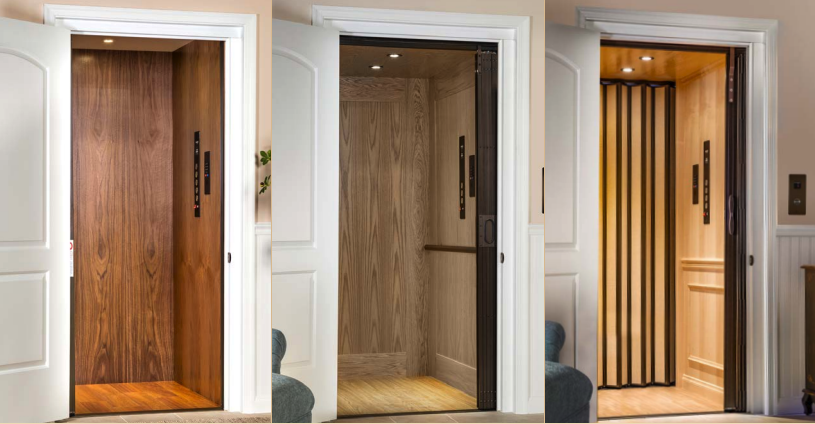
A chain-driven elevator is a type of residential elevator that uses two or more sprockets and a heavy-duty steel chain. The sprockets, which function similarly to gears, are rotated by an electric motor, and the chain wraps around them. As the motor rotates the gears, it drives the chain, which moves the lifting mechanism up or down.
Chain-driven elevators are a type of traction elevator that offer a reliable and efficient method for vertical transportation in a home. In addition to the chain drive system, they usually employ a counterweight system to help lift and lower the elevator car.
The Cost of a Chain-Driven Lift
The average cost of a chain-driven home elevator ranges between $25,000 and $65,000, depending on labor, home layout, and the number of floors the elevator must travel. While prices vary greatly vendor to vendor, each extra floor (any above the standard 2) can add around $5,000 to $15,000 extra to the overall project total. This range makes chain-driven elevators more affordable than other options, with the average home elevator costing between $30,000 and $100,000.
Additional cost factors include whether the home elevator is being installed in a new or existing home, and which permits and electrical wiring are required. Similarly, the complexity of the drive shaft construction can also influence final costs.
Core Capabilities of a Chain-Driven Elevator
The heavy-duty roller chain and motor-driven gearbox of a chain traction home elevator provide strong, reliable vertical transportation between floors in both commercial and industrial spaces.
- High Load Support: Can easily handle heavy loads for both residential and industrial needs.
- Longer Travel Range: Smoothly operates across multiple floors in both homes and commercial buildings with larger lift heights.
- Space Saving: In many cases, it uses a machine room-less (MRL) setup, with the motors, gearbox, and controllers housed in the hoistway rather than in a separate room.
- Durability: The high-strength steel chains last longer than traditional steel cables, often lasting 20 years with routine maintenance.
Chain-driven home elevators are best for those looking for a reliable, low-maintenance lift without a bulky machine room.
Advantages and Disadvantages of Chain-Driven Elevators
If you’re considering installing a chain drive elevator in your home, you should first understand the key advantages and disadvantages this type of elevator offers.
Advantages:
- High Durability: Heavy-duty construction handles heavy loads, abrasive conditions, and high temperatures.
- Long Service Life: The high-grade industrial chains last longer and stretch less than traditional steel cables, requiring fewer replacements and resulting in a longer lifespan.
- Strong Load Capacity: Chain drive lifts can typically support up to 1,000 pounds, easily accommodating a wheelchair and multiple passengers.
- No Hazardous Fluids: Does not use any oil or fluids to operate, reducing environmental and leak concerns.
- No Separate Machine Room: Oftentimes, the gearbox fits on top of the hoistway, eliminating the need for a separate machine room and saving space.
- No Slippage: Chains lock directly into the sprockets, so the elevator car will not slip as it may in a standard belt system.
Disadvantages:
- Increased Noise and Vibration: Metal-on-metal contact can generate more sound and vibration than smooth belt drives.
- Maintenance Heavy: To ensure long-lasting functionality, a chain-driven elevator requires frequent cleaning, tension adjustments, and professional lubrication.
- Structural Requirements: Chain-driven lifts typically need a dedicated elevator shaft and excavating a pit at the base, making installation more complex.
- Weight and Stretch: Continuous heavy use gradually wears and elongates the chains, requiring regular maintenance and adjustments to prevent issues.
Other Types of Elevators & Lifts to Consider
If a chain-driven elevator doesn’t seem like the right fit for your needs, then you may want to look into other forms of elevators and lifts.
| Type | Average Price Range | Best For |
|---|---|---|
| Hydraulic Elevators | $15,000 – $50,000 | Best for multi-story homes (easily travel at least six stories) |
| Shaftless Elevators | $15,000 – $60,000 | Best for space-saving design |
| Wheelchair Lifts | $4,000 – $25,000+ | Best for mobility aid users needing to travel short distances |
| Stairlifts | $2,900 – $14,000 | Best for individuals who struggle to climb stairs safely |
Each alternative offers a range of options, ensuring you can find a solution that fits your mobility needs, home layout, and personal preferences. For example, vacuum elevators and glass home elevators are both shaftless elevators, and a vertical platform lift and an inclined platform lift are often considered wheelchair lifts. To find the best home elevator for you, evaluate your mobility needs, home layout, budget, and personal preferences.
The Bottom Line: Chain-Driven Elevators Deliver Reliable, Heavy-Duty Performance
Chain-driven home elevators provide long-lasting, reliable travel between floors. They can safely carry heavy loads, making them good for individuals with wheelchairs or mobility scooters. They can also safely carry multiple passengers at once, making them family-friendly accessibility options.
Frequently Asked Questions (FAQs) for Chain-Driven Home Elevators
Yes, chain drives are used in elevators, especially residential elevators, industrial material-handling systems, and Lu/La elevators (Limited Use/Limited Application elevators), such as small commercial lifts.
A chain-driven elevator uses heavy-duty chains and spockets to lift the cab, while a cable-driven elevator uses steel wire ropes and winding drums or traction sheaves to operate.
The main difference between a home lift and a commercial lift is their intended use, weight capacity, and safety regulations. Home elevators are meant for personal use, are smaller, and comply with basic residential safety codes. In contrast, commercial elevators are intended for public use, often in high-rise buildings, are larger with higher weight limits, and must adhere to strict ADA rules, fire safety regulations, and emergency protocols.
Help us improve our data! Email your latest home elevator quote to [email protected] or submit a review about your experience. Your personal details will remain completely confidential.