
Retirement Living takes an unbiased approach to our reviews. We may earn money when you click a partner link. Learn More
New brain scan predicts dementia decades before symptoms appear
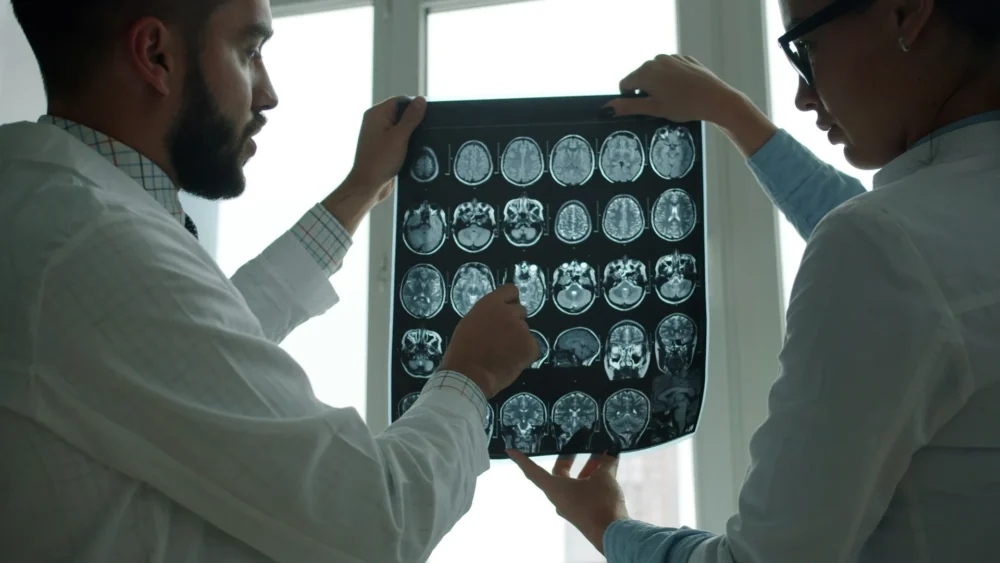
Changes in brain metabolism and blood flow signal the earliest phases of the disease

Updated:
key insights:
- Indiana University researchers have developed a diagnostic tool that predicts dementia stages by tracking changes in brain metabolism and blood flow.
- The tool detects early signs of disease up to 20 years before clinical symptoms appear.
- The findings confirm that metabolic and vascular disruptions occur before hallmark Alzheimer’s features like amyloid plaques and tau tangles.
Doctors now have a new tool for early detection of cognitive decline in older adults. Researchers at the Indiana University School of Medicine have created a powerful new diagnostic technique capable of identifying and tracking the stages of dementia long before memory loss or cognitive decline begin.
Their findings, published in Alzheimer’s & Dementia: The Journal of the Alzheimer’s Association, shed new light on how changes in brain metabolism and blood flow signal the earliest phases of the disease.
Led by faculty members Paul Territo and Juan Antonio Chong Chie, the IU research team studied more than 400 human participants, analyzing how cerebral perfusion (blood flow to the brain) and glucose metabolism (energy processing) vary across dozens of brain regions.
The researchers found that imbalances in these systems — particularly in areas tied to memory, learning and cognition — can occur up to 20 years before a dementia diagnosis.
The study builds on previous animal research from the IU Model Organism Development and Evaluation for Late-Onset Alzheimer’s Disease (MODEL-AD) center. That earlier work identified metabolism and perfusion changes as some of the earliest biological disturbances in Alzheimer’s, preceding even the buildup of amyloid plaques and tau tangles.
Mapping the course of disease
Using PET and MRI scans from the Alzheimer’s Disease Neuroimaging Initiative, the team developed a four-phase framework that mirrors the stages of dementia progression — from increased blood flow and reduced metabolism in early phases to reduced levels of both in advanced stages. These patterns were consistent across animal and human studies.
“We’re able to see from the earliest phases of Alzheimer’s disease through to advanced disease,” Territo said. “Inflammation plays a major role early, leading to metabolic and vascular damage.”
The research also uncovered key differences in how the disease progresses. Brain regions linked to memory and learning deteriorate more quickly, and women tend to experience faster disease progression than men. The team validated their findings through gene signatures and clinical cognitive testing.
By precisely identifying metabolic and vascular changes across the brain, the diagnostic tool could transform how dementia is monitored and treated. It offers a way to stratify patients, tailor therapies and measure how well treatments are working.
“If you analyze brain regions that have neuro-metabolic and vascular disruptions and then give a drug that mitigates those disruptions,” Territo explained, “we should see fewer inflammatory signatures and improvements in cognition.”
Next steps
The IU team plans to explore how communication between brain regions changes as dementia progresses.
“Our analysis tells you that the brain undergoes these deficits, but what it doesn’t tell you is how the brain is structured and how those structures change,” Territo said. “It’s just a matter of looking at it in a unique way that others have not to date.”
Their ongoing work could pave the way for earlier diagnosis, more precise monitoring, and ultimately, interventions that slow or prevent dementia long before symptoms appear.