
Retirement Living takes an unbiased approach to our reviews. We may earn money when you click a partner link. Learn More
Seven health screenings adults over 65 shouldn’t ignore
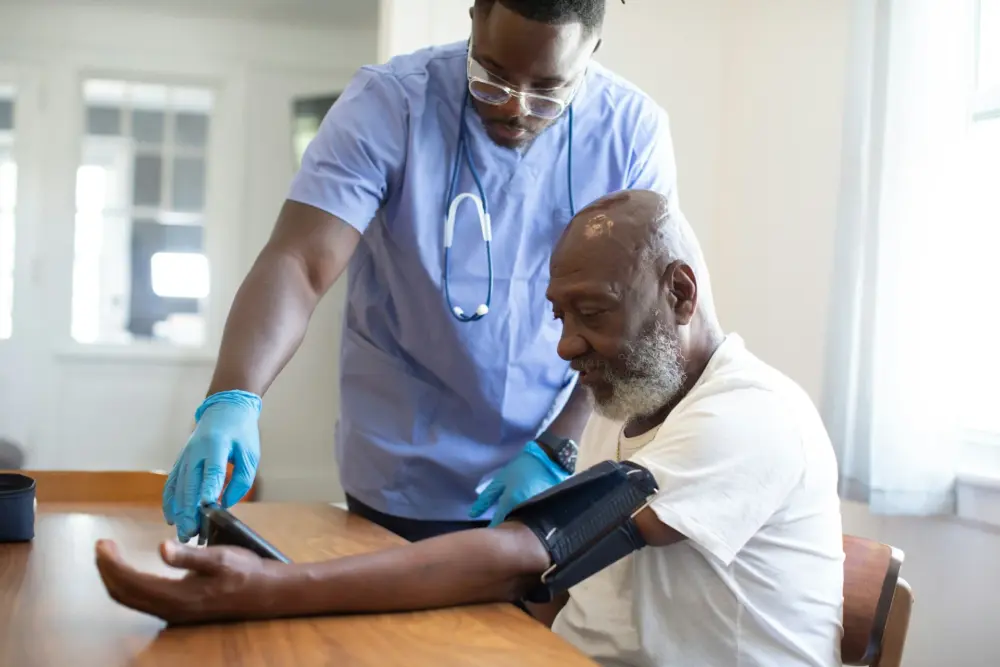
Doctors say it’s the best way to catch health problems early

Updated:
key insights:
- Preventive screenings after age 65 can help detect serious illnesses early, when treatment is often more effective.
- Penn State Health experts recommend seven key screenings for older adults, including tests for blood pressure, cancer, and bone health.
- Doctors say personalized screening schedules based on medical history and risk factors are essential for healthy aging.
As Americans live longer, doctors say preventive health screenings become increasingly important after age 65, helping detect potentially serious conditions before symptoms appear.
Penn State Health physicians are urging older adults to stay current on recommended screenings, noting that early detection can improve treatment outcomes and quality of life. The recommendations were highlighted in a recent “Medical Minute” release from Penn State Health.
“Screenings are one of the best tools we have to catch disease early,” the release noted, emphasizing that many chronic conditions common among seniors can develop silently.
Among the most important screenings is blood pressure testing. High blood pressure often has no symptoms but significantly increases the risk of heart disease and stroke. Health experts recommend annual checks or more frequent monitoring for people with existing health conditions or elevated readings.
Don’t overlook cholesterol
Cholesterol screenings also remain critical for older adults. Elevated cholesterol can contribute to heart attacks and strokes, and physicians recommend periodic blood testing to monitor cardiovascular risk.
Cancer screenings continue to play a major role in preventive care after 65. Doctors advise older adults to remain current on colorectal cancer screenings, including colonoscopies or stool-based tests, depending on personal risk factors and overall health. Women may also benefit from continued breast cancer screening through mammograms, while prostate cancer screening may be appropriate for some men after discussing risks and benefits with their physician.
Bone density testing is another key recommendation, particularly for women over 65 who face a higher risk of osteoporosis and fractures. A bone density scan can identify thinning bones before a serious injury occurs.
Doctors also encourage regular diabetes screening, since Type 2 diabetes becomes more common with age and may not show obvious symptoms in its early stages.
Hearing and vision can worsen with age
Vision and hearing exams round out the list of important preventive checks. Hearing loss and vision problems can affect independence, increase the risk of falls, and contribute to social isolation or cognitive decline if left untreated.
Health experts stress that screening recommendations vary depending on medical history, family history, and overall health. Older adults are encouraged to discuss personalized screening schedules with their primary care provider during annual wellness visits.
The Penn State Health release noted that staying proactive about preventive care can help seniors maintain independence and improve long-term health outcomes.