
Retirement Living takes an unbiased approach to our reviews. We may earn money when you click a partner link. Learn More
Can a Stair Lift Be Installed in a Condo?
Even in condominiums with shared ownership rules and limited space, stair lifts can often be installed with minimal structural changes—provided HOA approval and staircase requirements are met.


Updated:
At a glance:
- A stair lift can typically be installed in a condo as long as the staircase is part of the owner’s private unit and not a shared common area.
- Condo associations (HOAs) may require approval before installation, especially if the stairway is considered a common element.
- Weight capacity, staircase width, electrical access, and local building codes can all affect installation options.
Most condominium owners intend to live in their homes until old age, but climbing and descending stairs becomes increasingly difficult due to physical mobility needs and issues, injuries, and illnesses. The good thing is that a stair lift is always a suitable option, enabling such individuals to live independently without having to relocate to a ground-floor dwelling.
But when it comes to the installation of a stair lift in a condominium, there are some additional concerns that you have to deal with, aside from making sure that a stair lift will actually fit in the staircase.
The good news is that in most cases, a stair lift can be successfully installed in a condominium.
Can You Install a Stair Lift in a Condo?
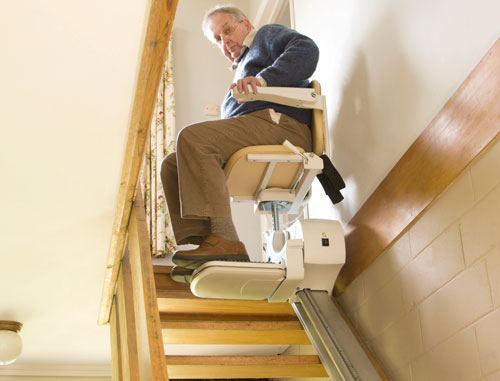
Yes, in most cases, stair lifts can be installed in condos if the stairs are situated inside your privately owned condominium. Modern stair lifts do not rely on wall mounts but are usually attached directly to the stair treads; therefore, minimal alterations to the structure are necessary.
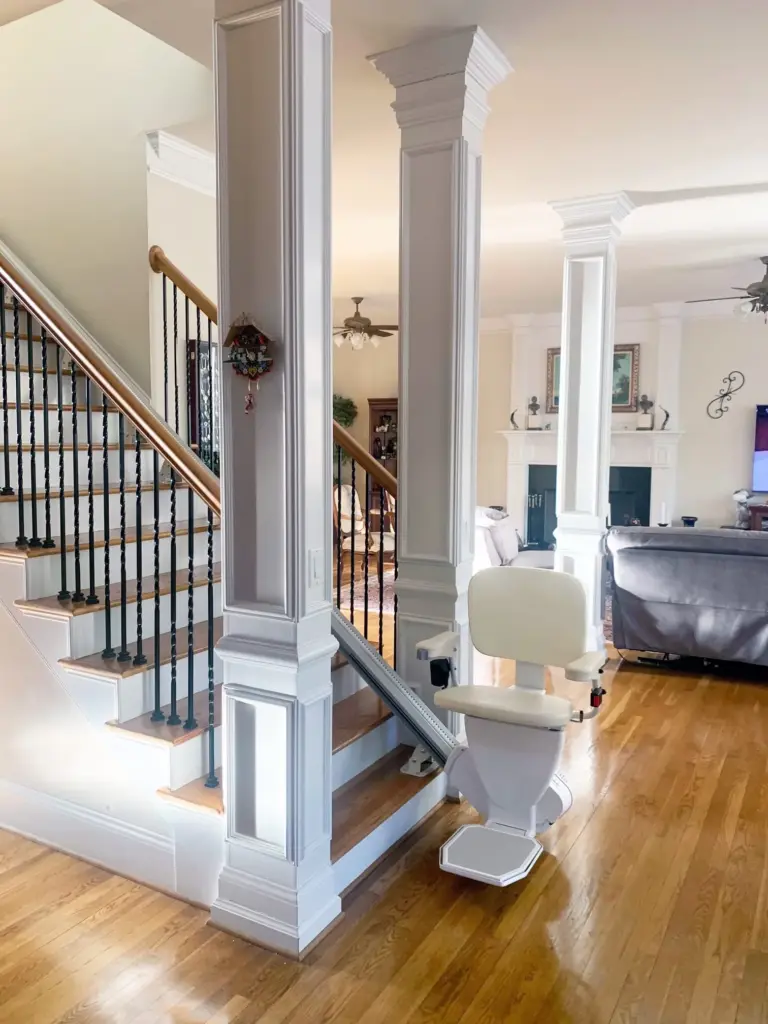
Multi-level townhouses and condominiums are typically great locations to install stair lifts, since the staircase is generally considered a privately owned component of the condominium.
Installation of a straight stair lift typically takes only one day, whereas a customized curved stair lift may take longer to manufacture.
It is recommended that you first determine whether the staircase is a private structure or a common living space in your condominium documents before buying the stair lift.
Condo Rules and HOA Approval Requirements
The greatest distinction between installing a stair lift in a condominium and in a single-family home is the need for HOA/condominium board approval.
In most cases, the following must be approved in writing prior to any changes that would affect:
- Shared walls
- Common hallways
- Building electrical systems
- Fire safety systems
- Emergency exit pathways
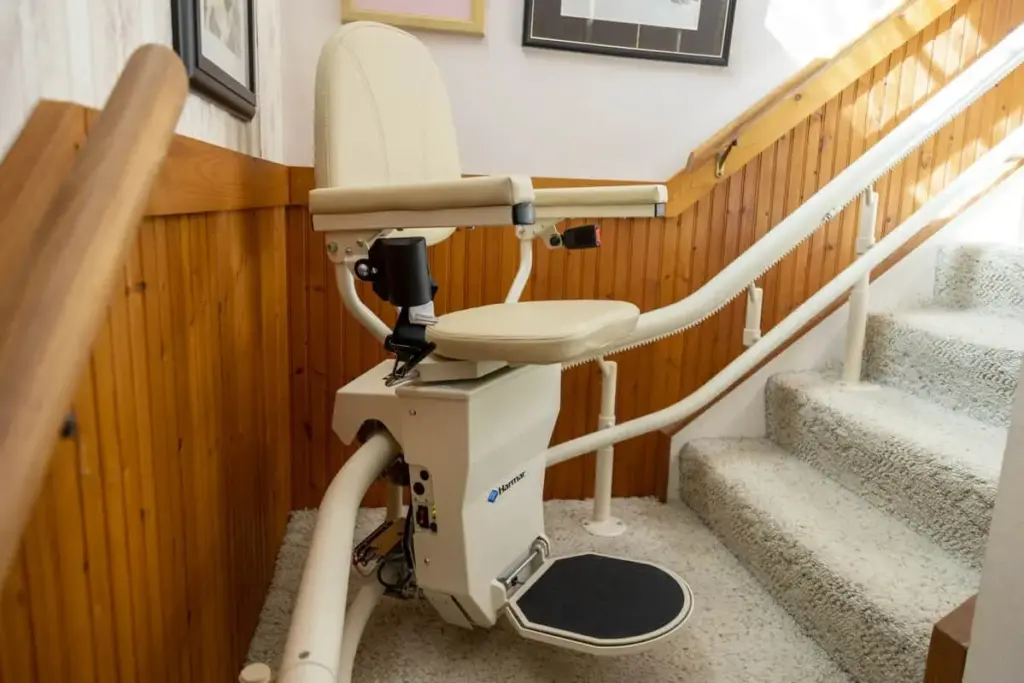
If your staircase is entirely within your unit, obtaining approval could be straightforward. However, if any part of the lift falls within the common area, further documentation may be required.
For getting the approval, you may require:
- Product specifications
- Installation plans
- Contractor licensing information
- Insurance documentation
- Proof of ADA or safety compliance
Review your condominium bylaws and architectural guidelines before signing a contract with an installer.
Staircase Requirements for Condo Stair Lifts
Not every staircase is identical, but many condo staircases can accommodate a stair lift without significant home modifications. Installers typically evaluate several factors during an in-home consultation.
Staircase Width
Most stair lift manufacturers recommend a minimum staircase width of approximately 30 to 36 inches. This allows enough space for the chair while maintaining a safe walking path when the lift is folded.
Stair Configuration
Both straight and curved staircases can support stair lifts. Straight stair lifts are the simplest and most affordable option. Curved stair lifts are custom-built to follow turns, intermediate landings, and spiral staircases.
Electrical Access
Most modern stair lifts operate using rechargeable batteries that plug into a standard household outlet. This means extensive electrical work is rarely necessary.
Weight Capacity
Standard stair lifts typically support between 300 and 400 pounds, while heavy-duty models can accommodate higher weight capacities.
Common Installation Challenges in Condominiums
While stair lift installation is often possible, condo owners may encounter several obstacles.
Narrow Stairways
Older condominium buildings sometimes have narrow staircases that may not leave sufficient clearance for safe use.
Emergency Egress Requirements
Many local building codes require stairways to remain accessible during emergencies. A stair lift cannot obstruct required escape routes or violate fire safety regulations.
Historic Buildings
Condominiums located in historic properties may have additional preservation restrictions that limit modifications.
Shared Ownership Issues
If the staircase serves multiple units or is considered a common element, approval requirements can become more complex and may involve additional legal advice or review. Working with an experienced stair lift company can help identify these issues before installation begins.
Costs of Installing a Stair Lift in a Condo
The cost of a condo stair lift is generally similar to the cost of installing one in a traditional home. Several factors influence pricing, including staircase design, lift features, functionality, and customization requirements.
| Stair Lift Type | Typical Cost Range |
|---|---|
| Straight stair lift | $2,900 – $7,500 |
| Curved stair lift | $9,000 – $20,000+ |
| Outdoor stair lift | $4,500 – $15,000 |
| Heavy-duty stair lift | $5,000 – $15,000 |
Additional costs may include:
- HOA application fees
- Permit fees
- Electrical modifications
- Extended warranties
- Service plans
Because every condo layout is unique, obtaining multiple quotes is the best way to estimate your total project cost.
Alternatives to Stair Lifts for Condo Owners
If a stair lift cannot be installed due to space limitations or homeowner’s association (HOA) restrictions, several alternatives may help improve accessibility.
Vertical Platform Lifts
Platform lifts, or wheelchair ramps, transport a wheelchair or mobility device between levels and may be appropriate for some condominium layouts.
Home Elevators
Luxury condominiums with sufficient space may accommodate residential elevators, though costs are significantly higher.
Main-Level Living Modifications
Some condo owners choose to relocate essential living areas, including a bedroom and bathroom, to the primary floor to avoid daily stair use and mobility hassles and to provide family members and caregivers with peace of mind.
Mobility Aids
Walkers, canes, transfer aids, and handrail upgrades may provide additional support for limited mobility when a lift is not practical.
Bottom Line: Most Condo Owners Can Successfully Install a Stair Lift
For many condominium owners, a stair lift is an essential tool for maintaining independence and living comfortably in a multi-story house. While there may be some additional complications due to condominium policies, staircase dimensions, and building laws, these difficulties can be overcome.
The most critical factors at the very beginning are staircase ownership and the HOA regulations that must be met. After that is done, the stair lift will become a reliable and relatively inexpensive option.
Frequently Asked Questions (FAQs) About If Stair Lifts Can Be Installed in a Condo
The cost of installing a stair lift depends on the type of stairs and the type of stair lift chosen, with the typical cost ranging from $2,900 to $14,000. The most cost-effective option is the straight stair lift, with prices ranging from $2,900 to $7,500; by contrast, customized curved stair lifts cost between $9,000 and $20,000.
Yes, in most cases. The fair housing laws may require the condo association and the landlord to provide reasonable accessibility modifications, such as installing a stair lift, if needed for people with disabilities, so they can move safely between floors in a barrier-free living environment. It is your responsibility to cover the cost of installation and repairs, but you may need to obtain permission from the condo board or HOA before starting the installation process.
Home elevators are often far more expensive and require more maintenance than stair lifts. Stair lifts range in price from about $2,900 to $14,000, depending on installation, and require only routine maintenance, such as replacing batteries every few years and occasional repairs. On the other hand, home elevators are generally priced between $30,000 and $100,000 and require more maintenance, as they need an annual inspection, mechanical service, and repairs. Although elevators are more accessible and have higher weight capacity, stair lifts are cheaper.
Yes, a chair lift can be installed in the condominium building’s stairway, provided there is enough space and the installation complies with all applicable building codes and accessibility standards for remodeling. Since the stairway is a common area of the building, the installation of the lift must be approved by the condominium association board and may even require residents’ participation. There may be situations in which installing a chair lift would be considered a reasonable accommodation for a disabled resident.
Possibly. There are several stair lifts with collapsible chairs and footrests which enable them to operate on narrower staircases. Most of these stairlift companies require a minimum clearance of 30-36 inches along the stairway. An experienced stair lift installer will be able to inspect the staircase and determine whether there is enough space for the equipment to be installed.
Yes. The majority of stair lifts are installed directly on the steps themselves rather than on the walls, which means installation does not require extensive drilling or modification of the staircase itself, but merely a few holes for the screws. In real estate, stair lifts are generally perceived as minimally invasive solutions for improving home accessibility and overall quality of life.
Help us improve our cost data! Email your latest stair lift quote to [email protected]. Rest assured, your personal details will remain completely confidential.