
Retirement Living takes an unbiased approach to our reviews. We may earn money when you click a partner link. Learn More
Strong muscles may be a valuable retirement asset
Preserving strength can help older adults remain independent

Updated:
key insights:
- Muscle mass naturally begins declining around age 30, with adults losing an estimated 3% to 5% each decade.
- Maintaining strength can reduce the risk of falls, hospitalization, and loss of independence in retirement.
- Resistance exercise, adequate protein, and a consistent routine can help older adults preserve muscle.
Retirement planning usually focuses on accumulating enough savings to pay the bills. But health and fitness experts say retirees should also build and protect another important asset: muscle.
Maintaining muscle and strength can help older adults continue walking, climbing stairs, carrying groceries, and performing other daily activities without assistance. That independence may also reduce expenses associated with falls, hospital stays, and long-term care.
“We spend decades building a financial portfolio for retirement, but we should be building our physical portfolio at the same time,” Jennifer Scherer, a registered dietitian and co-founder of the Fitness & Finance Radio podcast, said.
The concern is age-related muscle loss, which can eventually develop into a condition known as sarcopenia.
Muscle loss with aging
According to the National Institutes of Health, adults begin losing muscle mass at about age 30 and typically lose 3% to 5% every 10 years. Researchers estimate that 10% to 20% of older adults have sarcopenia, although the condition can be difficult to diagnose.
Over time, muscle loss may make it harder to get out of a chair, walk normally, or perform household tasks. Sarcopenia is also associated with an increased risk of falls, broken bones, and loss of independence. People with the condition are nearly twice as likely to be hospitalized as those without it, NIH said.
The financial costs can be substantial. A 2019 study cited in the release estimated that hospitalizations associated with sarcopenia cost the United States about $40 billion annually, or more than $2,300 per affected person. That figure does not include costs outside hospitals, such as home care, rehabilitation, or help with routine tasks.
Strength can be rebuilt
Experts emphasize that muscle loss is not necessarily irreversible and that people can benefit from strength training even if they begin later in life.
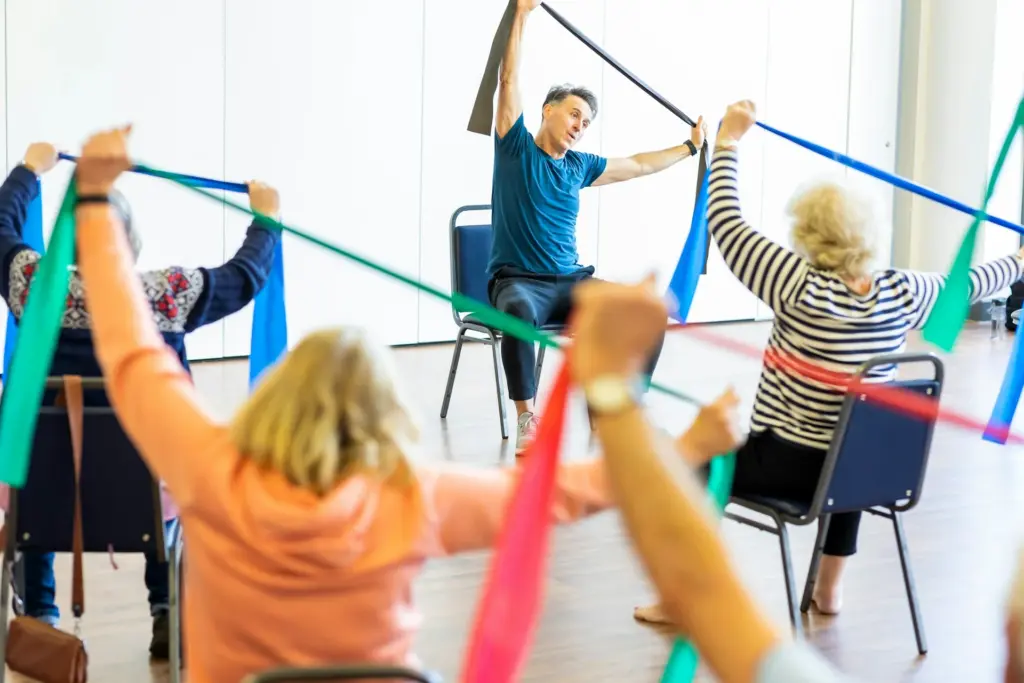
Resistance exercises may include lifting weights, using exercise machines or resistance bands, and performing body-weight movements such as squats or modified push-ups. The amount of resistance should be appropriate for the person’s health, experience, and physical abilities.
Nutrition also matters. Protein supplies amino acids that the body uses to maintain and repair muscle. Protein-rich choices include fish, poultry, eggs, dairy products, beans, nuts, and seeds. Individual needs vary, however, particularly for people with kidney disease or other medical conditions.
Fitness trainers say consistency is more important than perfection. Missing several workouts does not erase earlier progress; the recommendation is simply to resume the routine and build gradually.
Older adults who have been inactive, have balance problems, or live with chronic health conditions should consult a healthcare professional before starting a new exercise program. A doctor, physical therapist, or qualified trainer can help design a plan that improves strength without creating unnecessary injury risks.
“One of the biggest expenses in retirement can be needing help with the things you once did independently,” said Jeff Smith, a financial planner, personal trainer, and co-founder of the podcast.
The broader lesson is that retirement security depends on more than the size of a savings account. Financial resources help pay for retirement, but physical strength may determine how independently — and enjoyably — those years are lived.