
Retirement Living takes an unbiased approach to our reviews. We may earn money when you click a partner link. Learn More
Structured lifestyle programs may help older adults slow aging, study finds
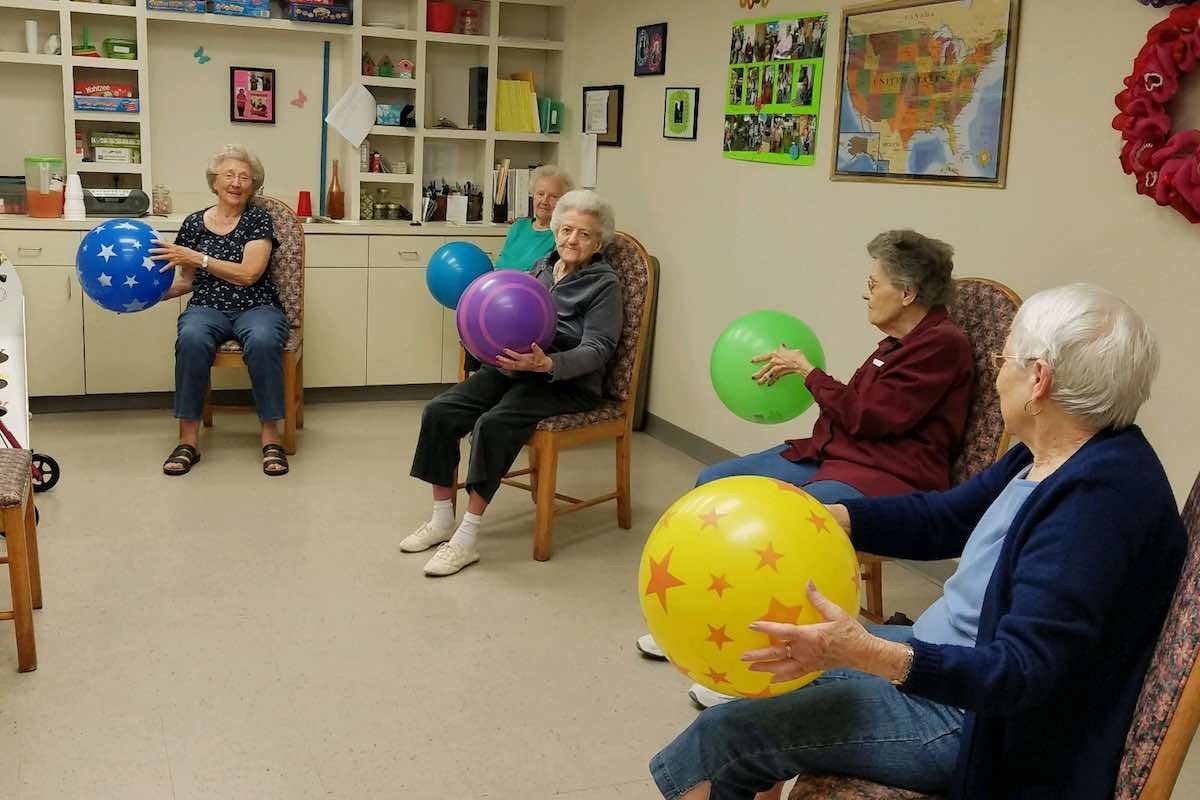
Researchers found that seniors who followed guided health plans achieved better results

Updated:
key insights:
- A large clinical trial found that structured lifestyle programs improved health and reduced frailty in older adults at risk for cognitive decline.
- Participants who received coaching, goal setting, and accountability showed greater benefits than those following a self-guided approach.
- Researchers say combining healthy eating, exercise, social engagement, and mental stimulation may help slow important aspects of aging.
A structured program centered on healthy habits may help older adults slow some of the physical effects of aging, according to new research from Wake Forest University School of Medicine.
The findings stem from the nationwide U.S. POINTER clinical trial, which examined whether lifestyle changes could help protect brain health in adults ages 60 to 79 who were considered at higher risk for cognitive decline. Researchers found that participants enrolled in a more organized and closely monitored wellness program experienced greater improvements in frailty — a major marker used to assess aging and vulnerability to disease.
Frailty measures the accumulation of health problems over time and is linked to higher risks of chronic illness, disability, and death. Researchers said reducing frailty may indicate that the body is aging more slowly.
The study
More than 2,100 participants took part in the two-year study. One group followed a structured lifestyle plan that included coaching sessions, regular monitoring, exercise, healthier eating, cognitive challenges, and social activities. A second group received general health guidance but largely managed the program on their own.
Both groups showed some improvement, but the structured program consistently produced stronger results. Researchers said the added support, accountability, and goal-setting appeared to make a significant difference.
Lead author Mark A. Espeland, a professor of gerontology and geriatrics at Wake Forest University School of Medicine, said the study reinforces the importance of making healthy behaviors easier to sustain over time.
The study also builds on earlier U.S. POINTER findings showing that lifestyle interventions can improve cognitive performance and help protect against age-related mental decline.
A concentrated approach yields better results
Researchers said the benefits likely come from addressing several aspects of health simultaneously rather than focusing on a single behavior, such as diet or exercise alone.
The results arrive as scientists continue exploring how everyday habits influence biological aging. Recent studies have also linked regular exercise, healthy diets, and even participation in arts and cultural activities with slower aging at the cellular level.
Researchers said the latest findings suggest that accessible community-based programs emphasizing multiple healthy lifestyle factors could play a growing role in helping older adults maintain independence and quality of life as they age.