
Retirement Living takes an unbiased approach to our reviews. We may earn money when you click a partner link. Learn More
Study uncovers a new secret to slowing biological aging
Engaging in culture and the arts has an added benefit

Updated:
key insights:
- A new University College London study found that people who frequently engaged in arts and cultural activities showed signs of slower biological aging.
- Researchers analyzed biological markers linked to aging and found a measurable association between cultural participation and healthier aging.
- The findings add to growing evidence that activities such as visiting museums, attending concerts, and participating in the arts may provide significant health benefits.
People who regularly take part in arts and cultural activities may age more slowly at a biological level, according to a new study from University College London (UCL).
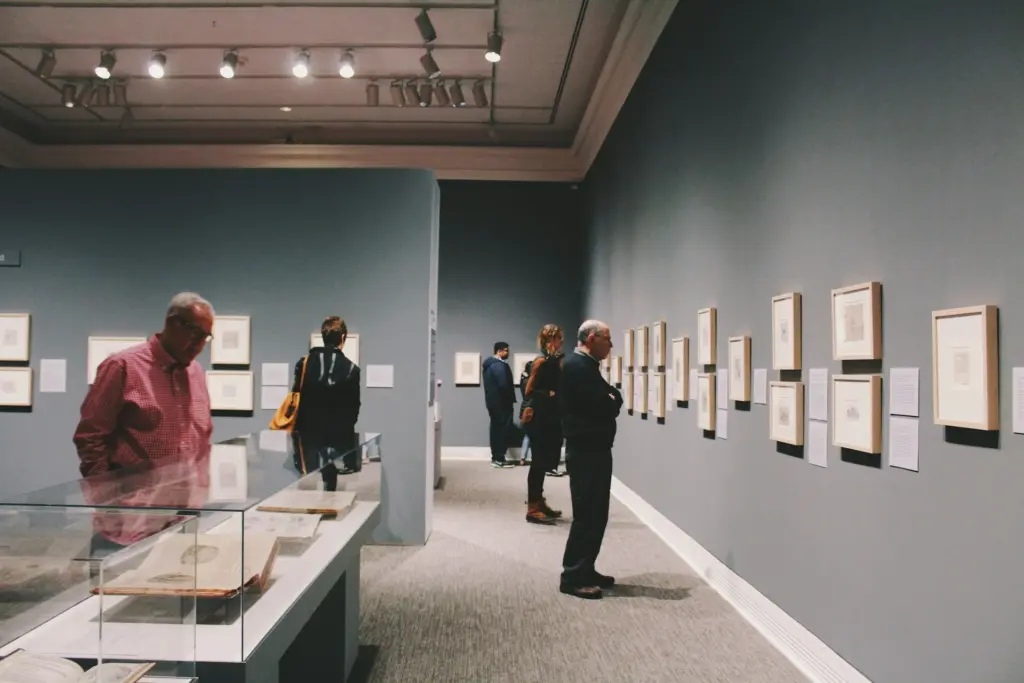
The research found that individuals who frequently engaged with cultural experiences — including visits to museums, galleries, theaters, concerts, and other artistic events — appeared to have lower levels of biological aging than those who participated less often.
How aging was measured
Unlike chronological age, which simply measures the number of years a person has lived, biological age reflects how well the body’s systems are functioning. Scientists assess biological age using a range of biomarkers that can provide insight into an individual’s overall health and risk of age-related disease.
The UCL researchers examined data from older adults and compared measures of biological aging with participation in arts and cultural activities.
Positive benefits of cultural participation
The team found that people who engaged in such activities more regularly tended to exhibit biological profiles associated with slower aging.
While the study did not prove that cultural participation directly causes slower aging, the researchers said several factors could help explain the connection. Arts and cultural engagement can reduce stress, encourage social interaction, stimulate cognitive function, and promote a sense of purpose and well-being — all factors that have been linked to better long-term health.
The findings contribute to a growing body of research suggesting that the benefits of arts engagement extend beyond entertainment and enrichment. Previous studies have linked cultural participation to improved mental health, reduced loneliness, better cognitive performance, and lower risks of depression.
Researchers said the results highlight the potential role of arts and culture as part of healthy aging strategies. As populations continue to age worldwide, understanding the lifestyle factors that support long-term health has become an increasingly important public health priority.
The study’s authors noted that further research is needed to determine the mechanisms behind the relationship and whether increasing participation in arts and cultural activities could help slow biological aging over time.