
Retirement Living takes an unbiased approach to our reviews. We may earn money when you click a partner link. Learn More
Weight-loss drugs show promise in aging research
Researchers report the treatment lowered estimated heart biological age

Updated:
key insights:
- Early research suggests GLP-1 drugs may slow some biological markers of aging, adding to evidence of benefits beyond weight loss.
- A semaglutide analysis involving more than 10,000 participants found improvements in protein-based estimates of organ age.
- Researchers caution that changes in “aging clocks” do not establish that the drugs reverse aging or extend human lifespan.
Popular weight-loss drugs may influence more than appetite and blood sugar. Emerging research suggests they could also affect biological processes associated with aging, although scientists have yet to establish whether those changes translate into longer lives.
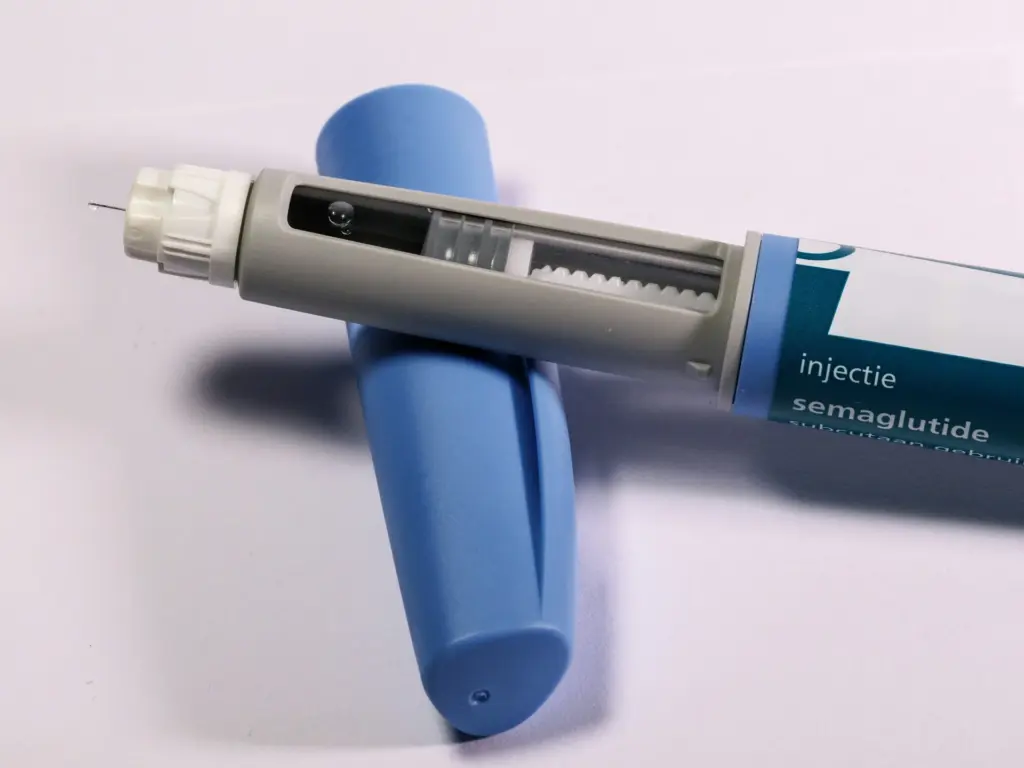
The findings include research involving semaglutide, sold as Ozempic and Wegovy, and tirzepatide, marketed as Mounjaro and Zepbound. Researchers are investigating whether these treatments change molecular indicators of aging alongside their effects on weight and metabolic health.
One of the largest analyses examined blood proteins from 10,052 participants across five placebo-controlled semaglutide trials. Researchers reported that treatment lowered estimated heart biological age by approximately two to four years compared with placebo, with improvements in several other organ-specific measures. The findings were posted as a preprint and remain preliminary.
What an ‘aging clock’ measures
Unlike chronological age — the number of years someone has lived — biological age attempts to describe how their body is functioning at a molecular level.
Researchers use statistical tools called aging clocks to estimate that process. Some examine proteins in blood; others track chemical marks on DNA that influence gene activity.
The distinction matters: A reduction of several years on an aging clock is a change in a calculated estimate. It does not demonstrate that someone has gained those years of life.
Results can also depend on the clock used. In an earlier Novo Nordisk presentation, organ-specific measures improved while broader whole-body clocks remained unchanged.
Other studies offer supporting evidence
A separate study led by University of California San Diego researchers analyzed a trial involving 108 adults with HIV-associated abdominal fat accumulation. Participants received semaglutide or placebo for 32 weeks.
Semaglutide slowed the estimated pace of biological aging by 9% on one DNA-based clock. However, the study involved a specific patient population, leaving questions about whether the findings apply more broadly.
“We are not saying that semaglutide reverses aging or makes people younger,” said Michael Corley, the study’s first author. He said larger trials are needed to confirm the findings and determine how long any effects last.
Animal research has produced another intriguing result. In a National Institutes of Health-funded study, older female mice treated with semaglutide showed better muscle and cognitive function. Mice treated until death had a median lifespan nearly 100 days longer than untreated animals.
The NIH cautioned that those findings do not establish that comparable results can be achieved in humans.
For consumers, the research raises the possibility that these medicines could eventually help preserve health with age. The unanswered question is whether improvements in laboratory markers will translate into lasting gains in mobility, independence, and healthy years of life.