
Retirement Living takes an unbiased approach to our reviews. We may earn money when you click a partner link. Learn More
Aging In Place Statistics
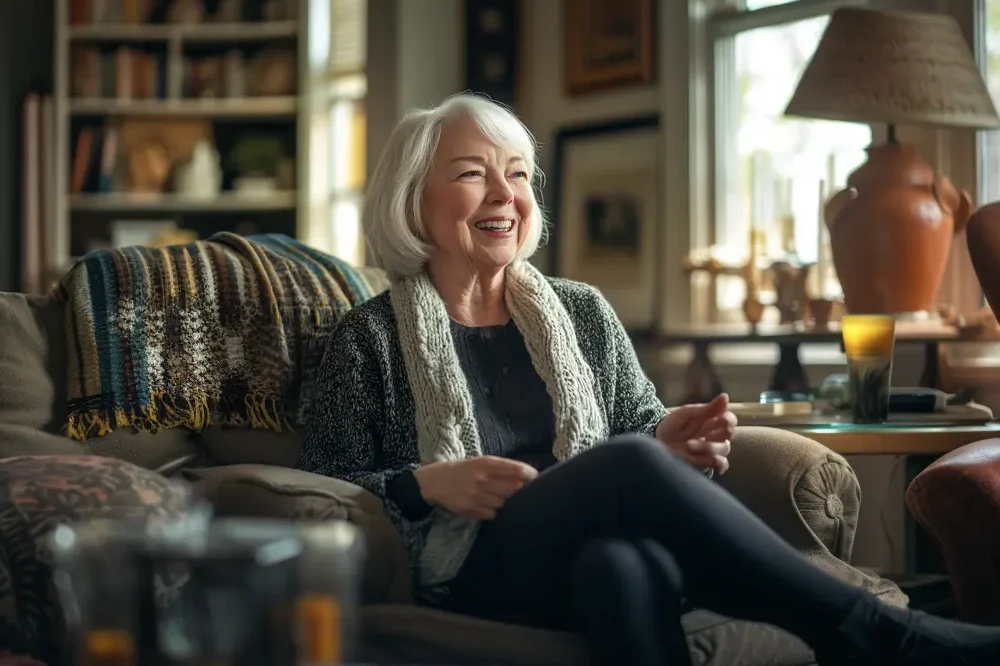
As they grow older, an overwhelming share of Americans hope to age in place, continuing to live safely and independently in their own homes.
This choice can pay off in the long term. It helps avoid the high cost of a nursing home or other institutional care. It also helps older adults keep their independence, social connections, and familiar surroundings.
For many Americans, barriers exist that may make aging in place challenging without the right steps. These include a lack of transportation and a home that may not be set up for a senior or someone with impairments.


Updated:
Key Insights
A 2022 poll found that 88% of adults ages 50 to 80 felt it was important to remain in their homes for as long as possible.
↓ Jump to insight
A 2025 survey found that 84% of respondents aged 50 and older see aging in place as an important goal.
↓ Jump to insight
A 2025 survey of adults 65 and older found that 93% currently live in their own home or apartment. About 60% said they’d rather stay home and receive care there than move if they could no longer live independently.
↓ Jump to insight
As of 2024, the number of Americans aged 65 and older rose to 61.2 million, or 18% of the total U.S. population. That number is still on track to reach 82 million by 2050.
↓ Jump to insight
Only 10% of U.S. homes are equipped to fully accommodate the needs of older adults.
↓ Jump to insight
In 2024, 67% of seniors said rising living costs made it harder to age in place.
↓ Jump to insight
A 2024 poll found that 33% of older adults felt lonely and 29% felt socially isolated in the past year. Both numbers are down from pandemic-era highs.
↓ Jump to insight
The CDC reports that the fall death rate among adults 65 and older climbed 21% between 2018 and 2024. It rose from 64.7 to 78.4 deaths per 100,000 older adults.
↓ Jump to insight
Open Access
Aging In Place Statistics
Surveys of older Americans have repeatedly found that, as they age, a large majority prefer to live in their own homes.
Among those ages 50 and older, more than 3 in 4 Americans say they prefer to remain at home as they get older. A 2025 survey found that 84% of older Americans consider aging in place a priority. About 58% called it extremely important.
The widespread interest in aging in place means a growing number of people are looking to stay put. This comes as the national population shifts increasingly older.
Researchers have described this as a “gray tsunami,” as the baby boomer generation ages and fewer Americans have children. The 65-plus population reached 61.2 million in 2024, up 3.1% from the year before. That’s now 18% of the total U.S. population, and it’s still expected to reach nearly 82 million by 2050.
How Many Americans Prefer to Age in Place?
A 2022 survey of more than 2,200 adults ages 50 to 80 found that over 88% believed it was important to age in place. More than half of those polled also said they’d given at least some thought to the modifications they’d need to remain in their home.
Results are consistent with other surveys of older adults about aging in place. A 2021 survey of more than 1,500 adults backs this up. More than 90% of senior homeowners aged 60–75 preferred to stay in their current homes as they aged.
Behind the desire to remain in place is a focus on independence. Four in ten respondents to one home survey named "independence" as the greatest benefit of staying put.
Surveys also show that many older adults hope to live close to friends or family. A 2024 poll found that 33% of adults ages 50 to 80 felt lonely in the past year. Another 29% felt socially isolated. Both figures have declined from pandemic-era peaks, but they remain higher for adults who live alone or report poor physical health.
How Many People Are Living in Place?
Homeownership rates have fluctuated throughout the 21st century, falling from record highs in the early 2000s. Even so, more Americans are staying in their homes for longer stretches.
One 2023 analysis found that the average U.S. homeowner stayed in their home for 11.9 years. That's down from a pandemic-era peak of 13.4 years, but well above the 6.5-year average seen in 2005.
Older Americans staying in place has driven much of that increase. Nearly 40% of baby boomers have spent at least 20 years living in the same home
Those ages 65 and up also have high rates of homeownership or living with another person. In 2021, more than 88% of older adults ages 65-plus lived in their own homes. Another 9% lived in someone else's home, typically with an adult child.
A 2025 survey of more than 2,500 adults 65 and older backs this up. About 93% currently live in their own home or apartment. When asked what they'd want if they could no longer live independently, 60% said they'd prefer to stay home and receive care there.
Another 18% said they'd choose an assisted living facility, and just 1% said they'd choose a nursing home. Many respondents, though, weren't sure whether aging in place would actually be possible for them long term.
What Are the Challenges of Aging in Place?
Despite this widespread preference to live in place, challenges remain for many older adults. One key barrier is the condition of their current home and the cost of retrofitting it to meet an aging person's changing needs.
A 2020 report estimated that just 10% of homes were 'aging-ready.' That means a step-free entryway, a bedroom, and a full bathroom on the first floor, plus at least one accessibility feature for the bathroom. These modifications reduce the likelihood of a fall and help older adults live independently, but making such upgrades can be costly. One study found that 67% of seniors said rising living costs made it harder to age in place in 2024.
Other barriers include the safety and accessibility of a person's surroundings. In neighborhoods with limited access to support services, older adults are more likely to report being in poor health. This challenge is often worse in rural areas. Transportation and home health options are harder to find there. A lack of transportation can compound this problem, since many older adults lose the ability to drive as they age.
Falls remain one of the most serious threats to safe aging in place. Fall death rate among adults 65 and older rose 21% between 2018 and 2024. Chronic health conditions like arthritis and diabetes affect balance and mobility, raising fall risk further for many older adults living at home.
A 2025 survey found that 28% of seniors skipped medical care that year to age in place. This gap points to a disconnect between the desire to stay home and the support needed to do it safely.
What Is Required for Aging in Place?
Along with basic home modifications, older adults may consider a variety of other upgrades to accommodate their changing lifestyle and needs.
These home upgrades vary by the room or appliance being modified:
- Bathroom upgrades to avoid falls include grab bars, nonslip surfaces, shower chairs, raised-height toilet seats, and a barrier-free shower or walk-in tub.
- A medical alert system can automatically call for help if a fall occurs when no one else is home.
- Bedroom modifications can involve an adjustable bed and, if needed, relocating the bedroom to the main floor.
- In the kitchen, adults can consider stoves with safety features that alert you when a burner is on, plus wheelchair-accessible counters and appliances.
- Easy-to-access light switches are also recommended.
- Non-shag carpeting reduces the danger of falling on the floor.
- Wider doors and lever-style door handles, instead of doorknobs, can improve accessibility.
- In stairwells, sturdy railings and thin carpeting improve safety. An electric stair lift may be needed for moving between floors.
- At least one no-step entryway is essential. Ramps may be necessary to maintain access through other doors.
Upgrades can be costly, particularly for higher-end modifications. A walk-in tub typically costs $2,000 to $5,000, while a stair lift can cost $2,000 to $14,000. Despite these costs, demand for aging-in-place renovations continues to climb. A 2026 industry survey found that 76% of remodelers saw increased demand for these projects over the past five years. The national average cost of a remodel is now about $9,500.
Top 10 Best States for Retirees
A 2025 ranking found that three of the top five best states to retire are in New England. New Hampshire ranked first overall, scoring well in neighborhood safety, taxes, healthcare, and the share of residents of similar age.
What Makes Aging in Place Possible?
An individual's ability to afford home upgrades matters, but it isn't the whole picture. The cost of housing, the availability of transportation, and local land use policies also affect Americans' ability to age in place.
Having more transportation options can provide older adults with greater mobility by reducing their reliance on a personal car. Affordable housing can preserve some older adults' ability to live independently.
Social connections are also key for older adults. A 2022 survey found that a large majority of older adults have someone in their life who could help with:
- Grocery shopping (84%)
- Household chores (80%)
- Managing their finances (79%)
But that still leaves a share of older adults without such support. Those who lived alone were less likely to report having someone in their life who could assist with their personal care.
Many Medicaid- or Medicare-eligible older adults receive funding to afford long-term care services in their homes rather than in institutional settings.
How Many Choose Nursing Homes Over Aging in Place?
With most older adults aging in place, fewer Americans live in nursing homes than a decade ago. Even so, the picture has grown more complicated in recent years, and many seniors still opt for in-home care or living with family instead.
A 2025 analysis found about 1.24 million residents living in roughly 14,742 certified nursing facilities as of July 2025, a 9% decline from 2015. The total dropped as low as 1.1 million during the pandemic in 2021, then climbed back up. Meanwhile, the number of nursing facilities themselves fell 6% over the same decade, driven largely by closures in rural areas.
Aging, though, can raise the risk of heart disease and other chronic conditions. Because of this, aging in place may not be suitable for all seniors, particularly those managing multiple health conditions who need closer long-term care.
Aging In Place FAQs
Surveys find that more than 3 in 4 older Americans want to remain in their homes as they age. Some more recent surveys put that figure even higher, closer to 84% to 93%, depending on how the question is asked.
In 2025, 93% of adults aged 65 and older lived in their own homes or apartments.
Yes. Fewer people are moving into nursing homes on a per-capita basis, and a vast majority of Americans hope to live in place. That said, nursing facility resident counts have ticked up slightly since their 2021 pandemic low.
Making a home "aging-ready" can be a barrier for many U.S. adults. Modifications like bathroom and appliance upgrades can cost anywhere from hundreds to thousands of dollars, and relatively few homes have the right features. Some seniors also report delaying medical care to stay independent at home, which can create its own health risks.
Relatively few people are ready to remain in their homes as they currently stand. A 2020 report estimated that just 10% of homes were "aging-ready," meaning they have a step-free entryway, a bedroom, a full bathroom on the first floor, and at least one bathroom accessibility feature.
Another 2023 study found that about 40% of U.S. homes have some aging-ready features, such as a step-free entry, a main-floor bedroom, and a main-floor bathroom.
Bottom Line
As the American population ages, aging in place is becoming a priority for many older people. This choice enhances their quality of life, supports mental health, and helps them maintain independence.
For older adults with chronic conditions, aging in place often requires assistance with activities of daily living, usually provided by family caregivers or professional care providers.
However, despite the desire to remain at home, many seniors face barriers, including limited accessibility, lack of transportation, and rising living costs.
With only 10% of U.S. homes equipped to meet seniors’ needs, addressing these challenges will be crucial to enabling more older adults to live safely and comfortably in their own homes as they age.
Fair Use Statement
Feel free to share our statistics for any non-commercial purpose and provide your readers a link to this study at RetirementLiving.com.
Sources
- Older Adults' Preparedness to Age in Place. University of Michigan, Institute for Healthcare Policy and Innovation, National Poll on Healthy Aging. Evaluated June 6, 2024. Link Here
- Homeowners Today Stay in Their Homes Twice As Long As They Did in 2005, Driven Largely By Older Americans Aging in Place. Redfin. Evaluated June 6, 2024. Link Here
- Population ages 65 and above for the United States. Federal Reserve Bank of St. Louis. Evaluated June 6, 2024. Link Here
- Importance of Home Survey. American Advisors Group. Evaluated June 13, 2024. Link Here
- Aging in Place: Are We Prepared? Delaware Journal of Public Health. Evaluated June 6, 2024. Link Here
- Population Pyramid: Population by Age and Sex. United States Census Bureau. Evaluated June 6, 2024. Link Here
- 2023 National Population Projections Tables: Main Series. United States Census Bureau. Evaluated June 6, 2024. Link Here
- Not Seasonally Adjusted Homeownership Rate. United States Census Bureau. Evaluated June 6, 2024. Link Here
- Vespa, J. et al. Old Housing, New Needs: Are U.S. Homes Ready for an Aging Population? U.S. Department of Commerce; U.S. Department of Health and Human Services; U.S. Census Bureau. Evaluated June 6, 2024. Link Here
- Housing America's Older Adults. Joint Center for Housing Studies of Harvard University. Evaluated Nov 6, 2024. Link Here
- Senior Tech & Aging in Place Survey. U.S. News. Evaluated Nov. 6, 2024. Link Here
- Aging in the United States: Fact Sheet. Population Reference Bureau. Evaluated Nov. 6, 2024. Link Here
- Profile of Older Americans 2023. Administration for Community Living. Evaluated Nov. 6, 2024. Link Here
- Heart Health and Aging. National Institute on Aging. Evaluated Nov. 6, 2024. Link Here
- Older Adults Outnumber Children in 11 States and Nearly Half of U.S. Counties (Vintage 2024 Population Estimates). U.S. Census Bureau. Evaluated June 2026. Link Here
- How Older Americans See Aging in Place, 2025 Survey. Pew Research Center. Evaluated June 2026. Link Here
- Aging in Place 2025 Survey. Point. Evaluated June 2026. Link Here
- Malani, P., et al. Loneliness and Social Isolation Among US Older Adults, 2018-2024. JAMA. Evaluated June 2026. Link Here
- Older Adult Fall Prevention Data and Research. Centers for Disease Control and Prevention. Evaluated June 2026. Link Here
- Social Threats to Aging Well in America, 2025 Survey. Alignment Health. Evaluated June 2026. Link Here
- New England Has Some of the Best States for Retirees, Sun Belt Has Some of the Worst (2025 Press Release). Bankrate. Evaluated June 2026. Link Here
- A Look at Nursing Facility Characteristics in 2025. KFF. Evaluated June 2026. Link Here