
Retirement Living takes an unbiased approach to our reviews. We may earn money when you click a partner link. Learn More
Do Hearing Aids Work for Everyone?
Hearing aids are not suited for those with conductive hearing loss, chronic ear drainage, or auditory neuropathy.


Updated:
At a glance:
- Whether hearing aids work for someone depends on the type of hearing loss: Sensorineural, Conductive, or Mixed.
- Hearing aids aren’t best for those with severe auditory nerve damage, extremely poor speech comprehension scores, extreme dexterity issues, and more.
- The best way to determine whether hearing aids work for you is to schedule a hearing evaluation with a hearing healthcare professional.

According to the National Institute of Health, about 28.8 million U.S. adults could benefit from using hearing aids, but do they work for everyone with hearing loss?
The effectiveness of hearing aids depends on your individual circumstances, such as the type and severity of your hearing loss, the extent of damage to your inner ear, and your brain’s ability to process speech. Below, we look into the factors that influence a hearing aid’s effectiveness, helping you explore your options and determine if hearing aids are worth considering.
Types of Hearing Loss: Sensorineural vs. Conductive Hearing Loss
The main types of hearing loss are sensorineural and conductive, and which type you have influences whether or not a hearing aid works for you.
Sensorineural Hearing Loss (SNHL)
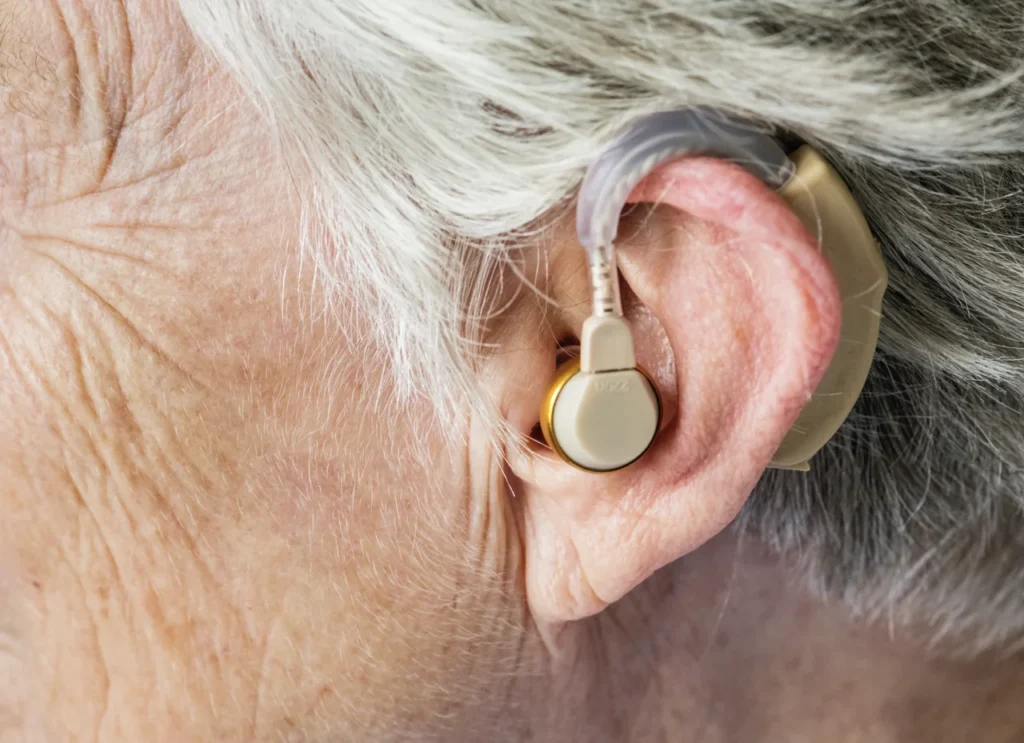
Sensorineural hearing loss is the most common type of hearing loss. It’s caused by damage to the sensory hair cells in the inner ear (the cochlea) or to the auditory nerve that connects the ear to the brain. Common causes of SNHL include aging, prolonged noise exposure, head trauma, genetics, certain medical conditions, and more.
People with sensorineural hearing loss may hear sounds as quieter and distorted. This makes it difficult to understand speech or differentiate between certain frequencies. SNHL is usually permanent and cannot be cured through medical or surgical means. However, in most cases, hearing aids can help treat people with sensorineural hearing loss.
Conductive Hearing Loss (CHL)
Conductive hearing loss is when sounds are obstructed from traveling through the outer and middle ear to the inner ear. It can be caused by excessive earwax build-up, ear infections, fluid in the middle ear, otosclerosis, or damage to the ear canal, eardrum, or middle ear bones.
CHL makes sounds seem muffled or quieter until the volume increases. The condition is often temporary and can be treated with medical intervention, surgical repair, professional earwax removal, or in some cases, specialized devices like bone conduction hearing aids. As such, hearing aids are typically unsuitable for people with conductive hearing loss.
Mixed Hearing Loss
Sometimes, people will have a mix of SNHL and CHL, meaning both the outer or middle ear plus the inner ear or auditory nerve are affected. It makes it difficult to hear in noisy environments, makes sounds seem muffled or distorted, creates a feeling of fullness or pressure in the ear, and can cause tinnitus.
Treatment often requires a two-part approach of medical/surgical intervention and hearing devices, such as hearing aids or cochlear implants.
When Hearing Aids May Not Be the Best Solution
While hearing aids are a great solution for many, that is not always the case. Because of how hearing aids work, they cannot fix every type of hearing issue. Hearing aids are less effective when:
- The auditory nerve is severely damaged (conductive hearing loss)
- Speech comprehension scores are extremely low
- Cognitive decline significantly impacts sound processing
- Hearing loss has been left untreated for decades
- There are medical conditions that require medical or surgical intervention (e.g., structural problems, blockages, or sudden, fluctuating hearing loss)
- There are physical limitations, including certain ear shapes, extreme dexterity issues, or chronic ear drainage
In such cases where hearing aids are insufficient, your audiologist may recommend alternatives such as assistive listening devices, communication strategies, or referrals for medical evaluation.
Auditory Neuropathy: Ear-to-Brain Communication Issues
Sometimes, your ears and brain struggle to communicate properly. The American Speech-Language-Hearing Association (ASHA) refers to this as auditory neuropathy. It’s when the ears pick up sounds perfectly well, but somewhere along the path to your brain, the signal is mixed up and rerouted, resulting in hearing loss, oftentimes severe hearing loss.
With auditory neuropathy, sounds may fade in and out unpredictably, speech sounds jumbled, even in quiet places, and individuals can be left feeling mentally exhausted.
In fact, when a person experiences auditory neuropathy, hearing aids can often make the situation worse as they amplify sounds, which only increases confusion and makes it harder for the individual to focus. Unless the hearing aid is specifically designed to bypass the damaged auditory pathway, treatment options are cochlear implants, assistive listening devices, and auditory or speech therapy.
How to Know if Hearing Aids are Right for You
The best way to determine whether a hearing aid is the right solution for you is to consult an audiologist. By receiving a professional hearing evaluation, you can determine a variety of factors such as your type of hearing loss, your level of hearing loss, and what type of sound amplification is necessary.
Step 1: Self-Evaluate Your Hearing
The Hearing Health Foundation says that if you can answer yes to three or more of the following, then you may have hearing loss and could benefit from a hearing test.
Ask yourself these ten questions:
- Do I struggle to hear people over the phone?
- Do I struggle to follow conversations with two or more people?
- Do others complain that I have the TV volume up too high?
- Do I have to strain to understand conversations?
- Do I have trouble hearing in environments with loud background noise?
- Do I have to ask people to repeat themselves frequently?
- Do people seem to mumble or speak unclearly while I talk to them?
- Do I frequently misunderstand what others are saying?
- Do I struggle to understand people who speak softly?
- Do others complain that I frequently misunderstand what they’re saying?
Again, if you can answer yes to three or more of these questions, then you should schedule a professional hearing evaluation with a hearing healthcare professional.
Step 2: Get a Hearing Evaluation
A professional hearing test is the only way to truly determine whether a hearing aid is right for you. A thorough examination of your ears will check for any physical issues that may be affecting your hearing, such as earwax buildup, ear infections, or abnormalities.
Your doctor will also ask about your daily activities such as your work environment, hobbies, social situations, and more. This helps them determine whether you’re at increased risk of noise-induced hearing loss, enabling them to recommend the best hearing aids for your situation.
Factors determining if hearing aids are right for you:
- Type of Hearing Loss: Identifies if you have sensorineural, conductive, or mixed hearing loss, which determines if hearing aids are appropriate. If you have sensorineural or mixed hearing loss, then hearing aids may be necessary.
- Degree of Hearing Loss: Those with mild-to-moderate hearing loss benefit from hearing aids, but don’t require them to maintain their daily lives. However, those with moderately severe to profound hearing loss typically require hearing aids to function well in day-to-day life. OTC hearing aids work for those with lower levels of hearing loss, while prescription hearing aids are best for those with higher loss.
- Pattern of Hearing Loss: Some individuals may have trouble hearing high frequencies, while others struggle with low frequencies. Also, some people may have hearing loss in only one ear, so your hearing device will need directional microphones.
All these factors work together to determine whether hearing aids are the right solution for you. If they are, your doctor will adjust your hearing aids to fit your personal hearing profile. Additionally, they will go over important information, including how to operate the devices, hearing aid troubleshooting techniques, and routine maintenance.
The Bottom Line: Do Hearing Aids Work for Everyone?
While hearing aids help millions by improving sound quality and enhancing mental well-being, they are not a “one-size-fits-all” solution. Depending on your type of hearing loss (SNHL vs CHL), any medical conditions, physical limitations, and speech comprehension, hearing aids may not be right for you.
If you’re unsure whether hearing aids are the right solution for your hearing issues, schedule a hearing evaluation to get professional insight and assistance.
Frequently Asked Questions (FAQs): Do Hearing Aids Work for Everyone?
Hearing aids don’t work for everyone because of biological, neurological, and technical limitations. While they amplify sound, they cannot fix the underlying damage to the inner ear.
Yes, if the inner ear hair cells are severely damaged, the auditory nerve is damaged, or there’s a physical blockage, such as fluid or earwax, in the ear canal, hearing aids can be ineffective.
Individuals with mild-to-severe sensorineural hearing loss benefit the most from using hearing aids. The devices amplify sound according to the person’s hearing profile, improving speech clarity, mental energy, and social confidence.
The cost of a hearing test varies by location, but the average cost ranges from $18 to $85 for simple screening exams, and from $100 to $250 for comprehensive hearing tests. However, some clinics may charge as much as $400. Some private insurance plans or Medicare may cover the hearing test if it’s ordered by a doctor to diagnose a medical issue.
Help us improve our cost data! Email your latest hearing aids quote to [email protected]. Rest assured, your personal details will remain completely confidential.