
Retirement Living takes an unbiased approach to our reviews. We may earn money when you click a partner link. Learn More
Do I Need Hearing Aids?
If you struggle to hear others, feel socially isolated, and have the TV volume higher than usual, you may need hearing aids.


Updated:
At a glance:
- Those with mild-to-moderate hearing loss would benefit from hearing aids, while those with moderate-to-severe hearing loss require hearing aids to maintain quality of life.
- Common signs you need hearing aids include asking people to repeat themselves, straining to understand conversations in noisy environments, turning the TV volume up higher, feeling socially isolated, and more.
- If hearing aids aren’t the right solution, alternatives like amplifiers, Assistive Listening Devices, and medical intervention may be the right path, depending on your situation.

According to the National Institutes of Health, around 37.5 million American adults have trouble hearing, and 22% of those ages 65 to 74 have disabling hearing loss. As we age, it’s common for our hearing to decline. It’s nothing to be ashamed of, but untreated hearing loss can increase chances of cognitive decline, depression, and even dementia.
While costly, hearing aids are worth the investment as they improve mental well-being and everyday life. If you believe you have hearing loss but are unsure whether you need a hearing aid, consider the following information and consider getting a hearing test.
When Do You Need Hearing Aids?
Hearing aids become necessary after a certain level of hearing loss is reached. While individuals with mild-to-moderate hearing loss (between 26 and 55 decibels) benefit from hearing aids, those with moderately-severe-to-profound hearing loss (between 56 and 91+ decibels) typically require hearing aids to maintain quality of life.
If you find yourself struggling to hear others during conversations or feel mentally exhausted after socializing, then you should consider scheduling a hearing evaluation.
Signs You May Need Hearing Aids
If you’re unsure whether your level of hearing loss is severe enough to need hearing aids, there are key signs to look out for suggested by the Hearing Health Foundation. If you experience more than three of the following, then it may be worth talking with an audiologist.
- Frequently asking people to repeat themselves
- Frequently misunderstanding others
- Friends and family often get annoyed because you didn’t hear them correctly
- People often sound like they’re mumbling/aren’t speaking clearly
- Turning up the volume on the TV more than others are comfortable with
- Group conversations (with 2 or more people) are difficult to follow
- Straining to understand conversations
- Background noise (like traffic or music at a restaurant) makes it difficult to hear
- Struggling to understand people who talk softly
- You find yourself avoiding social situations
- Feel socially isolated, even while with friends and family
- Frequently missing verbal cues
- Reading people’s lips to understand what they are saying
If you frequently experience these situations, you may need hearing aids; however, your first step should be to make sure there isn’t a medical reason for your hearing loss, such as an ear infection, wax build-up, or other causes. If your otolaryngologist (also known as an ENT) doesn’t find any ear infections or other diseases, then scheduling a hearing test to determine your level of hearing loss is a good next step.
Steps to Finding the Right Hearing Aids
Finding the right hearing aid depends on your level of hearing loss, as some hearing aids are better suited for mild-to-moderate loss, while others are best suited for severe hearing loss. Follow the following steps to find a hearing aid that works for you and your needs.
Step 1: Get a Hearing Evaluation
Schedule an appointment with an audiologist or ENT to get your hearing tested. They will perform a series of tests to determine exactly which sounds and pitches you have trouble hearing, creating a personalized hearing profile. From there, you will be able to discuss what options are available.
Step 2: Choose a Hearing Aid Style
There are many types of hearing aid styles available, and which is best for you depends on your level of hearing loss, personal preferences, and budget.
Most common types of hearing aid styles:
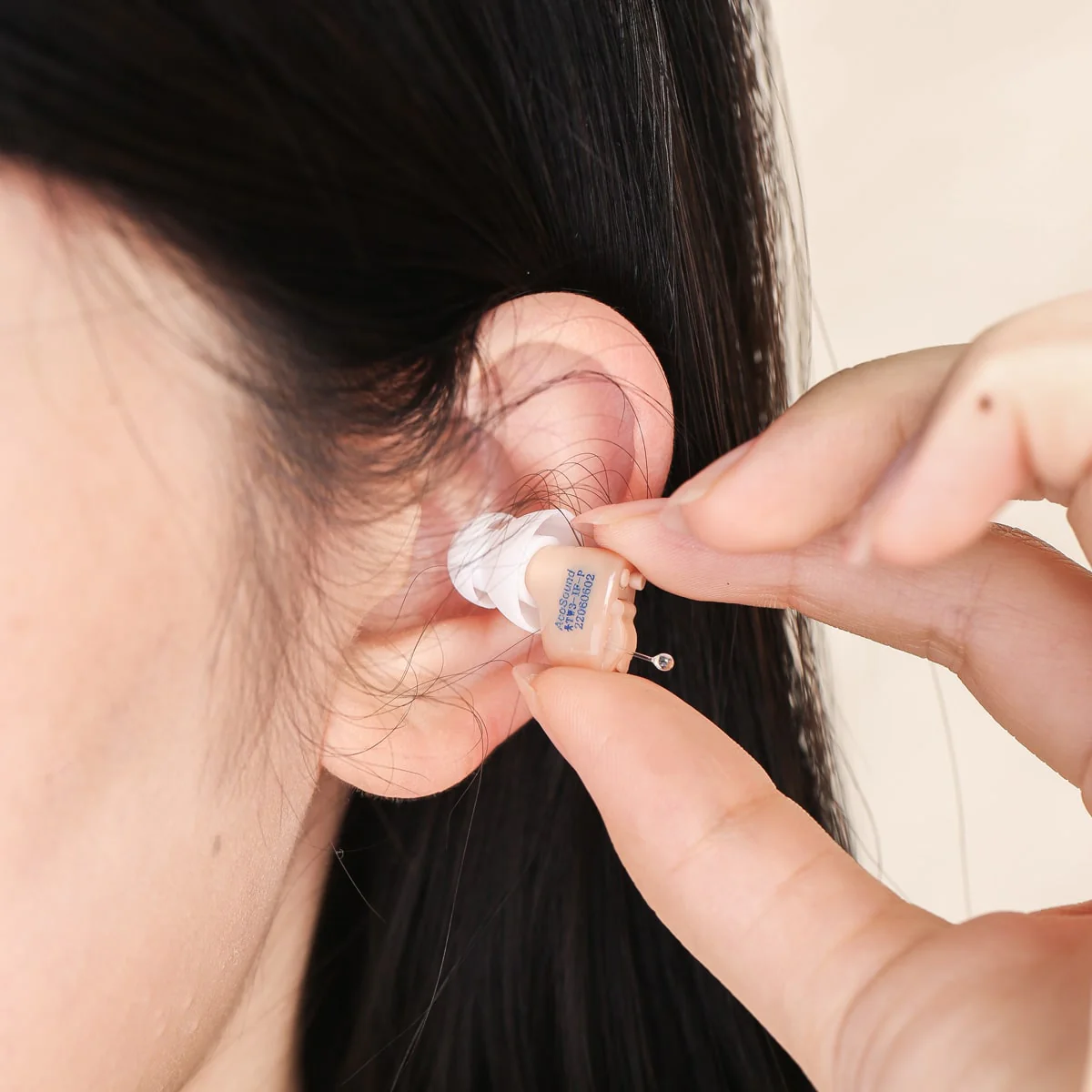
- Completely-in-the-Canal (CIC): Fits fully in the ear canal, very discreet; best for mild-to-moderate hearing loss.
- Invisible-in-Canal (IIC): Sits deep in the ear canal, essentially invisible; best for mild-to-moderate hearing loss.
- In-the-Canal (ITC): Partially in the ear canal, small, custom fit; best for mild-to-moderate hearing loss.
- In-the-Ear (ITE): A custom-molded shell fits in the outer ear; best for mild-to-severe hearing loss.
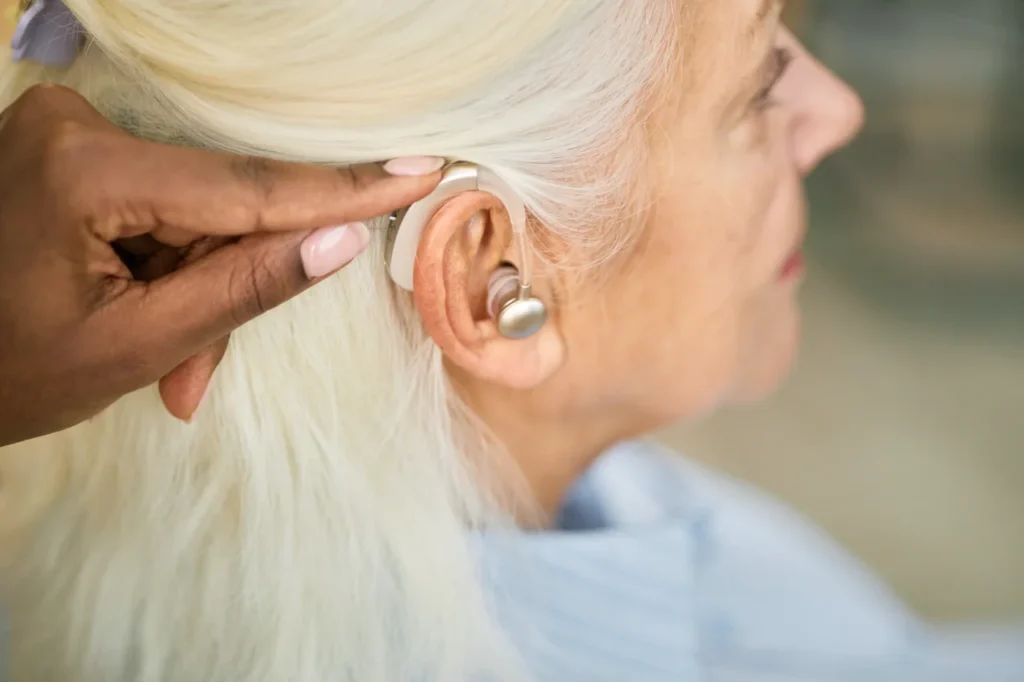
- Behind-the-Ear (BTE): Shell sits behind the ear, sound delivered via tube; best for mild-to-profound hearing loss.
- Receiver-in-Canal (RIC): Speaker sits in the ear canal, with a wire connecting to a behind-the-ear shell; best for mild-to-severe hearing loss.
If you have significant hearing loss, you will likely require a more powerful hearing aid, such as an ITE, BTE, or RIC. While these styles tend to be more visible to other people, they often offer more features and are easier to clean because of their size.
For those with mild-to-moderate hearing loss, you may consider purchasing over-the-counter hearing aids rather than getting a prescription. OTC hearing aids are typically more affordable and offer many advanced features such as Bluetooth and noise cancellation.
However, because they aren’t professionally fitted, they may not meet your hearing needs precisely. Those with moderate-to-profound hearing loss should use prescription hearing aids to ensure hearing health and mental well-being.
Step 3: Identify Important Features
Modern technology allows hearing aids to provide more than sound amplification, offering convenience and relief features. Identify the features that are most important to you before looking for a hearing aid manufacturer.
Hearing aid features to consider:
- Bluetooth capabilities
- Background noise cancellation
- Tinnitus relief
- Rechargeable batteries
- Directional microphones
- Feedback cancellation
- App control
- Listening environment settings
Keep in mind that the more advanced the features of your hearing aids, the higher the cost.
Step 4: Use the Trial Period
Most hearing aid providers offer a trial period where you can determine if the aids are working for you. Trial periods typically last between 30 and 45 days, giving you a chance to test them in all environments you spend time in, such as at home, work, and in loud environments.
When you first start wearing hearing devices, it will take some time to adjust, so allow yourself that time to become comfortable and accustomed. Experts often recommend that you start by wearing hearing aids for only a few hours at a time in the first few days, gradually increasing the time you use them. This helps prevent overstimulation, frustration, and mental exhaustion.
Use this time to have your audiologist fine-tune the hearing aid settings so they feel and sound perfectly clear.
Hearing Aid Alternatives
If you’ve taken a hearing test and find that a hearing aid is not the right solution, but you still need a way to hear better, there are some alternatives to consider.
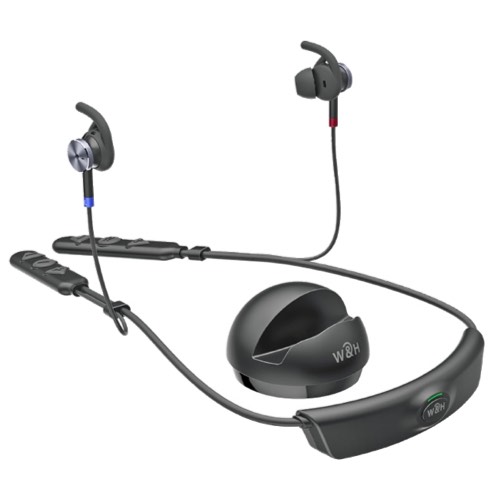
- Personal Sound Amplification Products (PSAPs): Also known as hearing amplifiers, these are consumer-grade devices that increase volume in specific situations but aren’t certified medical devices for hearing loss. However, they are more affordable and can help when you simply need to amplify sound.
- Assistive Listening Devices (ALDs): These devices help reduce background noise, enabling you to understand speech and stay aware of your environment. There are many types, including remote microphones, hearing loops, TV streamers, infrared systems, and more.
- Medical Interventions: This alternative is primarily for those with severe-to-profound hearing loss for whom a hearing aid is not sufficient. Options include cochlear implants, bone conduction systems, and middle ear implants.
You may also consider behavioral and lifestyle changes, such as speech reading (e.g., lip reading) and learning sign language, which can help you improve visual communication skills. Another option is sound therapy, which uses external noise or masking to manage the impact of tinnitus or inner-ear discomfort.
The Bottom Line on Whether You Need Hearing Aids
Determining whether you need hearing aids greatly depends on your level of hearing loss and how significantly it impacts your daily life. Untreated hearing loss has proven to increase risks of depression and cognitive decline. It can also cause social isolation and mental exhaustion.
Using hearing aids is a great way to improve your everyday life, mental health, and relationships. If you think you may need hearing aids, you can schedule an online hearing test or talk with an audiologist.
Frequently Asked Questions (FAQs): Needing Hearing Aids
Wearing hearing aids can have some downsides in the initial adjustment period. It can take a few weeks to get used to wearing them and hearing what you couldn’t before, which may lead to overstimulation and frustration. Additionally, hearing aids require regular maintenance to ensure proper functioning and prolong their lifespan. Hearing aids are also expensive and aren’t always covered by insurance.
Yes, hearing aids can help with nerve-related hearing loss (sensorineural hearing loss); however, it’s important to note that they cannot repair nerve damage, but simply amplify sounds to stimulate the surviving hair cells in your inner ear.
To schedule a hearing test, call an audiologist (hearing specialist), book an appointment with a local clinic, or visit a nearby hearing center at a place like Sam’s Club or Costco.
Yes, hearing loss and tinnitus are closely linked. Tinnitus is a result of damaged hair cells in your inner ear, which can stem from aging, exposure to loud noises, medical conditions, or earwax buildup. So far, there is no cure for tinnitus, but hearing aids can help reduce symptoms and provide relief.
Help us improve our guides! If you’ve recently purchased or used hearing aids, we’d love to hear about your experience. Share your insights with us at [email protected]. Your personal details will stay completely confidential.