
Retirement Living takes an unbiased approach to our reviews. We may earn money when you click a partner link. Learn More
How to Get Free Hearing Aids for Seniors
State assistance programs, national non-profits, or charitable foundations offer seniors access to free hearing aids.


Updated:
At a glance:
- Certain government programs, such as the Veterans Health Administration, Medicaid, and Vocational Rehabilitation, can help seniors obtain free or discounted hearing aids.
- Seniors can receive hearing aid assistance through state and local nonprofits and charitable organizations after applying and meeting eligibility requirements.
- Some flexible spending accounts (FSAs) and health savings accounts (HSAs) can be used to pay for hearing aids and offset out-of-pocket costs.
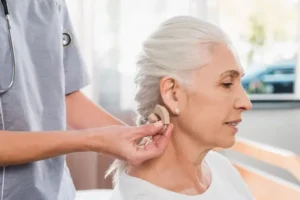
A person’s hearing health plays a major role in mental well-being, as untreated hearing loss can lead to frustration, social isolation, and depression. As such, getting treatment and the right hearing aid is vital. While many organizations (such as the Hearing Loss Association of America) strive to make hearing care and devices more accessible, the cost of hearing aids remains a major obstacle for seniors and low-income individuals.
Below, we explore ways to get free or discounted hearing aids.
Is It Possible to Get Free Hearing Aids?
While not a simple process, it is possible to get free hearing aids, or at least reduced-cost ones. Through financial assistance programs, such as state programs, a veteran’s benefits program, and national charities, eligible individuals can receive hearing devices and professional care at reduced or no cost.
For certain state or national programs, you’ll need to meet a certain income threshold to be eligible for free hearing aids. This threshold may vary by area, but looking at the federal poverty guidelines can help you determine your eligibility. The 2026 federal poverty income threshold is set at $15,960 per year for an individual; this amount increases by $5,680 for each additional family member. Many assistance programs require your income to be at or below below 200% of the federal poverty guideline to qualify.
Keep in mind, each program’s qualification requirements may vary from state to state and from year to year. So, it’s important to do your research before applying to better your chances of receiving assistance.
How to Get Hearing Aids for Free
Many options are available to seniors seeking free hearing aids. Below, we explore the main programs and financial assistance options.
The Veterans Health Administration
Hearing loss is one of the most common service-related injuries for U.S. veterans. If you’ve served and now have hearing-related complications, the Veterans Health Administration (VHA), connected to the U.S. Department of Veterans Affairs (VA), may be able to get you access to free or affordable hearing aids.
First, you’ll need to apply for healthcare coverage through the VHA, either in person, by phone, or online. If you qualify for care, you should automatically be eligible for audiology services, which typically include hearing tests, hearing aids, assistive hearing technologies, tinnitus treatment, and, if necessary, cochlear implants.
Depending on your income, location, and coverage, you may have a copayment on certain hearing services and technologies, but the out-of-pocket costs will be significantly cheaper than paying for a hearing aid without benefits.
Vocational Rehabilitation Programs
Vocational Rehabilitation (VR) programs are specialized services designed to help people with physical or mental disabilities prepare for, secure, retain, or regain gainful employment. Depending on your location, your local VR program may offer hearing aid coverage if you need them to obtain employment or perform your job responsibilities.
Older adults can contact their state’s VR office to see whether coverage is available and whether they meet eligibility requirements.
Nonprofit & Charitable Organizations
Some nonprofit organizations and charities may offer seniors access to affordable hearing aids. Below are some of the most well-known organizations for seniors to get free or low-cost hearing aids:
- The Hearing Aid Project: Collects, refurbishes, and distributes hearing aids at little or no cost to eligible individuals.
- Miracle Ear Foundation (aka Gift of Sound): Offers free hearing aids to those who meet federal poverty level guidelines and other eligibility requirements. (Has application fee)
- Lions Clubs: May distribute refurbished hearing aids to seniors and those who are hard of hearing.
- Starkey Cares Better Hearing Program: Provides hearing aids to low-income individuals who meet financial eligibility criteria. (Has an application fee.)
While some programs have an application fee, the money goes toward hearing devices, fittings, and short-term follow-up care. If you don’t want to pay an application fee, many OTC hearing aids are available for an equal or lower cost, and can be self-fitted during a free trial period.
Private Health Insurance
Some insurance providers may cover hearing tests and fittings, but they rarely cover the cost of the devices themselves. However, hearing aid costs with insurance can reduce out-of-pocket costs. Some private insurance companies may partner with a specific hearing aid manufacturer, so you may get a better deal if you buy in-network.
Be sure to ask your insurance provider what your hearing aid benefits are, what limitations and requirements are applied, and which hearing aid providers are covered, if any.
Medicaid & Medicare Advantage
Medicaid and Medicare may also provide access to free or affordable hearing aids, depending on the state you live in and which insurance plan you have.
Medicaid
Currently, Medicaid covers the cost of hearing aids for people under the age of 21, regardless of location. However, for adults, where you live is the primary factor in determining whether Medicaid offers coverage. Some states cover only hearing assessments and maintenance, while others cover the entire device. However, some states don’t offer any coverage at all. You can visit the Medicaid website to see whether your state offers Medicaid assistance.
Medicare Advantage
Original Medicare does not cover hearing aids, but it will cover cochlear implants when medically necessary. However, Medicare Advantage plans may offer financial assistance for hearing tests and hearing aids, depending on your state and insurance company. Contact your Medicare Advantage representative to see whether your plan covers hearing services.
Additional Financial Assistance Options
If you don’t qualify for any of the above options, consider one of the following alternatives:
- Flexible spending accounts (FSAs)
- Health savings accounts (HSAs)
- AARP discounts
- Hearing aid payment plans
If you’re unsure where to start, talk to an audiologist or a local senior resource center about hearing aid programs and assistance. They may be able to point you in the right direction and help you find hearing aids that meet your needs without breaking the bank.
Bottom Line: Free Hearing Aids for Seniors
While getting free hearing aids is not a simple process, it is possible. Depending on your income, state of residence, insurance coverage, and eligibility, you may be able to get hearing aids for free or at least at a discounted rate.
If none of the above methods are feasible, you may consider over-the-counter (OTC) hearing aids, which are FDA-regulated and more affordable than prescription hearing aids. However, OTC hearing aids are limited to mild-to-moderate hearing loss, and so are unsuitable for those with more severe cases. If you don’t want to go over-the-counter, many providers and clinics let you pay for your devices in monthly installments, making the cost easier to manage.
Frequently Asked Questions (FAQs): Free Hearing Aids for Seniors
To qualify for free hearing aids, you will need to meet specific financial, medical, and demographic criteria, in most cases. Different programs will have different requirements, but they will often require documented proof of hearing loss, income level, and insurance information.
Social Security does not offer assistance for hearing aids, exams, or fittings. However, it may provide monthly disability benefits for individuals with severe hearing loss.
Senior citizens can get free hearing aids through state and local programs, nonprofits, the VA, certain insurance plans, and more. However, they typically need to meet certain eligibility requirements.
Yes, hearing aids are tax-deductible as they fall under the IRS Publication 502’s list of deductible medical expenses, allowing you to deduct part or all of your out-of-pocket expenses when filing taxes.
Help us improve our cost data! Email your latest hearing aids quote to [email protected]. Rest assured, your personal details will remain completely confidential.