
Retirement Living takes an unbiased approach to our reviews. We may earn money when you click a partner link. Learn More
Does Medicaid Cover Medical Alert Systems?
Find out when Medicaid covers medical alert systems and how to get help paying for one.


Updated:
At a glance:
- Medicaid may cover PERS through HCBS waivers, state medicaid programs, or other home-based benefits.
- Coverage may include the device, installation, or monitoring, but requirements and covered costs vary.
- If Medicaid doesn’t cover the full cost, Medicare Advantage, VA benefits, PACE, and other resources may help.
Medicaid may cover medical alert systems through certain state programs, HCBS waivers, and other benefits. Coverage depends on your state, Medicaid plan, and eligibility.
This guide explains when Medicaid may cover a medical alert system, how to check your coverage, and what other options can help pay for one.
What Is Medicaid?
Medicaid is a joint federal and state program that provides health coverage to eligible people with limited income, disabilities, or other qualifying needs. Each state runs its own Medicaid program, so eligibility, covered services, and costs can vary.
Do I Qualify for Medicaid Coverage?
Medicaid eligibility varies by state. People age 65 and older may qualify based on their age, income, and resources. People under 65 may also qualify through other eligibility groups, including disability.
Being eligible for Medicaid doesn’t automatically mean you’ll qualify for a covered medical alert system. Your state or Medicaid plan may also assess your need for a personal emergency response system (PERS). This may include your fall risk, ability to manage daily activities, mobility limitations, or ability to call for help during an emergency.
Some programs may require a functional assessment before approving certain services. If you’re unsure about your eligibility, contact your state Medicaid agency or local Area Agency on Aging (AAA).
What Types of Medical Alert Systems and Monitoring Services Are Covered?
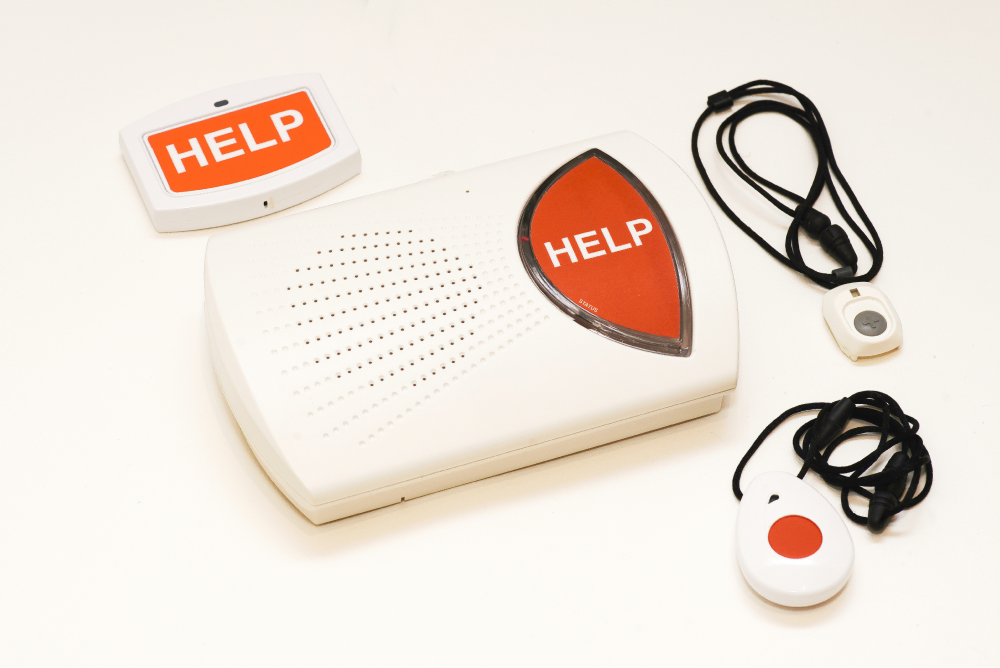
If you qualify, Medicaid may help pay for medical alert systems and monitoring services. Coverage can include features such as fall detection and GPS tracking.
Common types of medical alert systems are:
- In-home medical alert systems (landline or cellular)
- Wearable medical alert devices
- Monitored medical alert systems
Coverage can vary by program. Some Medicaid programs may cover an in-home system, while mobile systems with GPS tracking may have different requirements. Programs may also cover the device, equipment fees, installation, or monthly monitoring fees, while others may cover only certain costs.
If you want to compare features, costs, and providers, visit our best medical alert system guides to find the right option for your needs.
How Medicaid Classifies Medical Alert Systems
Medicaid may not list a medical alert system under that exact name. You may see it listed as:
- PERS
- Personal emergency response services
- Durable Medical Equipment (DME)
- Assistive technology
- Long-term services and supports (LTSS)
- Home and community-based services (HCBS) waiver services
Some insurers and Medicaid programs use billing codes for personal emergency response services. S5161 is one code associated with personal emergency response systems. Ask your Medicaid plan whether it uses S5161 or another code when checking your benefits. A billing code alone doesn’t mean the service is covered.
Examples of Medicaid Programs That Cover Medical Alert Systems
The following Medicaid programs and waivers may help eligible seniors pay for medical alert systems.
Home and Community-Based Services (HCBS) Waivers
HCBS waivers help eligible people receive services at home instead of moving to a nursing home. Some state waivers may cover PERS as part of their home-based services. Coverage and eligibility requirements vary by state.
You may need a prescription, a letter showing why the system is medically necessary, a functional assessment, or a service plan. Some programs also require prior authorization or approval from a case manager.
Money Follows the Person (MFP) Programs
MFP helps eligible people move from nursing homes or other long-term care settings back to their homes. Some state MFP programs may provide medical alert systems or related services as part of this transition.
Medicaid Consumer Directed Services
Consumer-directed, or self-directed, Medicaid programs give eligible people more control over their care and services. Depending on the state and care plan, funds may be available for equipment or services that support safe living at home.
Medicaid Personal Care Attendant (PCA) Programs
PCA programs primarily help eligible people with daily activities such as bathing, dressing, and mobility. Some state programs may also allow funds to cover a medical alert system when it supports the person’s care needs.
Medicaid Programs by State
Medicaid programs and waivers vary by state. Use the links below to check whether PERS is covered under your state’s available programs.
How to Get a Medical Alert System Through Medicaid
Medicaid coverage varies by state, plan, and program. Follow these steps to find out if you qualify for a free medical alert system through Medicaid:
- Confirm your Medicaid coverage. Contact your state Medicaid agency or managed care plan. Ask whether your plan covers a medical alert system.
- Ask about Medicaid programs and waivers. Ask whether an HCBS waiver, Money Follows the Person program, or another Medicaid program can cover the device.
- Speak with your case manager. If you qualify for a waiver or long-term care services, ask your case manager about adding the device to your care plan.
- Complete the required paperwork. Your Medicaid plan or case manager will tell you which documents you need. A healthcare provider may need to provide a prescription or other supporting documentation. Some programs may require prior authorization before approving the device.
- Confirm your costs before ordering. Ask whether Medicaid covers the device, installation, monthly monitoring, or only part of these costs. Also ask whether you must use an approved vendor.
Other Ways to Get Financial Assistance for Medical Alert Systems
If Medicaid doesn’t cover your medical alert system or only covers part of the equipment cost, other programs and payment plans may help fill the gap.
- Medicare Advantage (Medicare Part C): Some Medicare Advantage plans offer medical alert systems or related benefits. Coverage and costs vary by plan.
- Medicare and Medicaid: If you have both, check with both programs before paying out of pocket. Original Medicare (Parts A and B) generally doesn’t cover standalone medical alert systems. Medicaid may cover PERS through a waiver or care plan.
- VA benefits: The Department of Veterans Affairs may help eligible veterans pay for certain medical alert services through VA benefits. VA coverage is separate from Medicaid, so veterans who also have Medicaid should check with both programs to see which benefits may apply. TRICARE has separate coverage rules, so check your specific plan before paying out of pocket.
- Private insurance and long-term care insurance: Some policies may cover medical alert systems, but benefits vary by plan.
- Program of All-Inclusive Care for the Elderly (PACE): PACE combines Medicare and Medicaid services for eligible older adults who meet nursing home level-of-care requirements. It’s available only in certain service areas.
- Health Savings Accounts (HSAs) and Flexible Spending Accounts (FSAs): If Medicaid only covers part of the cost, an eligible HSA or FSA may help pay remaining expenses. Account rules determine whether the expense qualifies, and some expenses may require a letter of medical necessity.
- Local resources and charities: AAA agencies, senior centers, and nonprofits may offer financial assistance or discounted medical alert systems.
Help us improve our cost data! Email your latest medical alert system quote to [email protected]. Rest assured, your personal details will remain completely confidential.