
Retirement Living takes an unbiased approach to our reviews. We may earn money when you click a partner link. Learn More
What Is the Best Material for a Walk-In Shower?
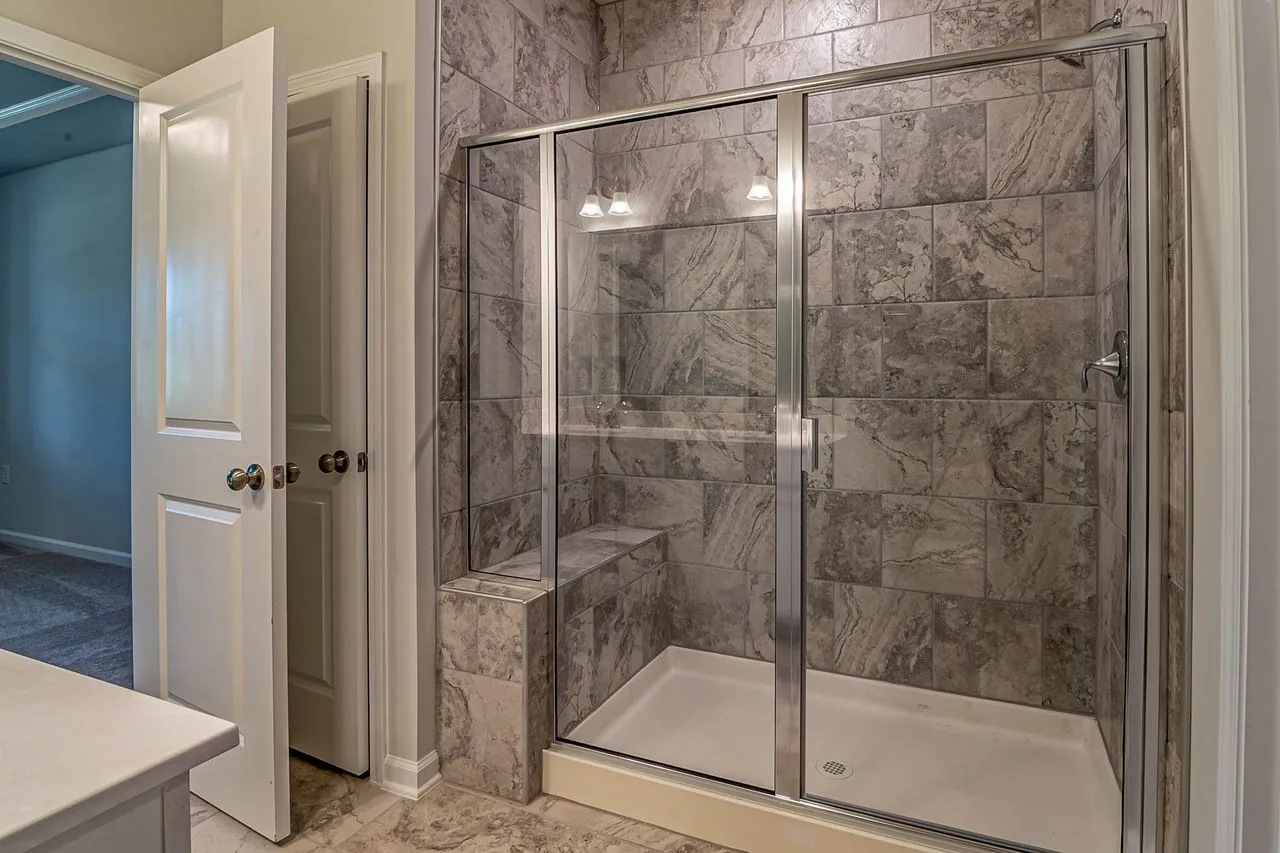
The best material for a walk-in shower is porcelain due to its durability, versatility, and water resistance.


Updated:
AT A GLANCE:
- Porcelain tile ranks among the top choices for walk-in showers due to its durability and water resistance. However, it requires more maintenance and may not fit all budgets.
- Materials with more grout lines and pieces will require more maintenance to keep clean, but lower-maintenance materials tend to have a shorter lifespan.
- Fiberglass insets and acrylic panels are better for tight budgets and busy households, but porcelain tiles and natural stone last longer and allow for more customization.
Walk-in showers are a great investment for those planning to sell their home, age in place, or enjoy a modern and more luxurious bathing experience. However, there are many choices to make when planning the best walk-in shower for you and your family—materials being one of the top decisions.
Below, we explore the best material for tile showers as well as options for the walls and flooring, helping you design the perfect walk-in shower for your bathroom remodel.
Best Material for a Walk-In Shower
The best material for a walk-in shower greatly depends on your personal preferences and budget; however, the majority of experts and homeowners agree that porcelain is among the best and near-perfect material to use in your walk-in shower. Porcelain tile is typically highlighted as the best due to its design versatility and resale value.
Porcelain is also known for its durability and water resistance, which are vital qualities for a shower base. Homeowners also regard the material highly for its versatility, providing unlimited patterns, shapes, and colors. It’s also easy to clean and has a low water absorption rate, making the material naturally resistant to stains, mold, and mildew.
However, porcelain can be labor-intensive, increasing the cost of installation. It also requires regular cleaning and can be more expensive than other materials. For those looking for more budget-friendly materials, acrylic and fiberglass are popular options. On the other hand, natural stone is great for those seeking a sense of luxury.
Options for Your Walk-In Shower Walls
There are many materials to choose from for the walls of a walk-in shower, and which works best for you depends on your budget and personal preferences.
The main material options for a walk-in shower include:
- Porcelain tile
- Ceramic tile
- Glass tile
- Natural stone tiles
- Acrylic panels
- Fiberglass
- Solid surface panels
These shower wall options offer different benefits and drawbacks for installation cost, design flexibility, and maintenance. When planning your shower remodel, consider the following table.
| Material Category | Type | Grout / Seams | Maintenance Needs | Average Cost |
|---|---|---|---|---|
| Tile | Ceramic, porcelain, & stone | High amount | Scrubbing grout & mold prevention | $2,000 – $17,000 |
| Stone slabs | Marble, granite, & quartz | Minimal | Periodic sealing for natural stone | $1,500 – $4,000+ (per tile) |
| Acrylic panels | Solid-color, decorative direct-to-backer board, & more | None | Simple wipe-down | $8,000 – $13,000 |
| Fiberglass | FRP & gelcoat | Minimal | Simple wipe-down | $150 – $600 |
| Solid surface | Corian, onyx, & Durasein | None to minimal | Simple wipe-down | $10,000 – $15,000 |
As you can see, the more grout and seams a walk-in shower has, the more intensive cleaning and maintenance will be. This is because grout is porous and absorbs water, which can lead to mold, and seams catch soap and grime residue, requiring regular and more intensive cleaning. Therefore, materials like acrylic, fiberglass, and solid surfaces typically require the least ongoing maintenance.
While good for budget remodels and easier to clean, acrylic and fiberglass have a shorter lifespan and often need replacing after 5 to 15 years. Materials like tile, stone and solid surfaces, however, can last anywhere from 15 to 30+ years, making them a good choice for those wanting to invest long-term in their home and incorporate a little luxury.
Keep in mind that the type of walk-in shower may influence which material is most feasible. Factors like whether the shower is curbed or curbless, drain type (center vs. linear drains) and the floor slope affect specific tile choices or whether grout-free acrylic panels are best.
Flooring Materials for Walk-In Showers
You don’t have to use the same material for both the walls and floor of your walk-in shower. In fact, using a different material for your shower base improves slip resistance, accommodates the slope needed for proper drainage, and prevents water leaks.
The best material for the floor of your walk-in shower is something that is textured and slip-resistant. Smaller mosaic or textured porcelain tiles are often considered the best because the material is dense, highly water-resistant, non-porous, and doesn’t require sealing.
Other flooring options include:
- Pebble stone
- Solid surface pans
- Acrylic pans
Smaller tiles are preferred for the floor of any shower because they create a dense network of grout lines and act as physical micro-grip zones. However, while more slip-resistant, this network of lines requires more effort to clean. Additionally, custom tile floors will cost more ($3,000 to $10,000+) than prefabricated pans ($400 to $3,000), so keep this in mind when planning your budget.
Shower Flooring and Drain Compatibility
Your flooring may also impact the type of shower drain you can use. The material and size of the flooring tiles directly impact water flow.
Larger tiles provide a continuous slope for water to flow down but cannot conform to the complex, multi-directional slopes, meaning linear (channel) drains are best. Smaller tiles can easily fit a multi-directional slope but may trap water due to the number of grout lines, making center drains best.
With this in mind, larger format porcelain tiles work best with linear drains. Natural stone and continuous flooring are also better suited to linear drains. However, mosaic and textured porcelain tiles will work well with center drains as well as pebble tiles and small hex tiles.
Best Material by Budget and Upkeep
As always, budget plays a major role in which shower material is best for you and your family. The best materials for a tight budget are typically fiberglass inserts and acrylic panels. These two types are also generally easier to maintain, making them best for busy households.
| Material | Budget Type | Maintenance | Drawbacks | Best For |
|---|---|---|---|---|
| Fiberglass inserts | Low budget | Low to medium | Gelcoat wears down over time | First-time renovator & DIY projects |
| Acrylic panels | Low to mid-range | Very low | Prone to scratching & discoloration | Updating rental properties & aging in place |
| Porcelain/ceramic tiles | Mid-range to premium | High | Requires regular grout cleaning and sealing | Custom designs, high-end aesthetics, & long-term home value |
| Natural stone | Premium to luxury | Very high | Requires frequent specialized sealing and cleaning | Luxury remodels & custom architecture |
While staying within your budget is important, you shouldn’t have to sacrifice personal style preferences entirely. When choosing material for your walk-in shower, identify your style preference and look for affordable materials that work with it. For example, if you prefer spa-inspired designs, look for natural colors, textures and patterns. If you prefer industrial design, look for concrete- or steel-looking materials with matte finishes.
If you’re looking for an affordable walk-in shower but also want materials to last for a long time, then using a combination of tile floors with solid surface walls can help balance the budget with long-term functionality.
Bottom Line: Best Walk-In Shower Materials
Porcelain is often considered the best material for walk-in showers due to its durability, versatility, water resistance, and resale value. Additionally, it can work for both the floor and the walls and can work with both linear and center drains, depending on the tile size. However, it is labor-intensive and can be costly, especially for tighter budgets.
Acrylic and fiberglass are great options for tighter budgets and busy households, offering versatility in design, low maintenance needs, and faster installation. When designing your new walk-in shower, consider using different materials for the floor and the walls to reduce the risk of slipping, balance budget, and improve aesthetics. If a walk-in shower doesn’t work for you, consider installing a walk-in tub instead.
Frequently Asked Questions (FAQs): Best Walk-In Shower Materials
The most durable materials for a walk-in shower include solid surfaces and porcelain tiles, as both are extremely hard, scratch-resistant, and non-porous. Natural stone is also very hard to scratch and long-lasting, but its porous nature requires frequent sealing.
There are many ways to prevent slipping on a walk-in shower floor. You can invest in textured flooring (which gives your feet more surface area to grip) or install anti-slip strips, rubber mats, grab bars, or shower seats. Regular cleaning also removes soap and grime, making the floor less slick. Other options include wearing shower shoes or using anti-slip shower sprays.
Porcelain tile is generally considered better than ceramic tile for walk-in showers due to its low water absorption rate and high durability, making it less likely to grow mold or chip.
Whether solid surface walls are worth the extra depends on your maintenance and design preferences. Solid surfaces may be worth the higher upfront cost if you want a grout-free, low-maintenance waterproof barrier that lasts for decades. However, solid surfaces are more prone to cracking and have fewer design choices.
Help us improve our guides! If you’ve recently installed a walk-in shower or completed a bathroom remodel, we’d love to hear from you. Share your experience with us at [email protected]. Your personal details will stay completely confidential.