
Retirement Living takes an unbiased approach to our reviews. We may earn money when you click a partner link. Learn More
Does a Walk-In Shower Add Value to Your Home?
A walk-in shower can boost your home’s resale value, but it depends on buyer preference, bathroom layout and whether a bathtub is available.


Updated:
AT A GLANCE:
- Walk-in showers generally increase home value when they’re well-designed and enhance the space, but the impact varies by market and buyer demographics.
- A home with both a walk-in shower and a bathtub typically appeals to the widest range of buyers and offers the highest resale value.
- Removing your only bathtub in favor of a walk-in shower can lower home value in family-oriented markets.
Many homeowners want to increase their home value before selling, and remodeling is a great way to do that. Adding a walk-in shower has become more popular with homeowners during bathroom renovations, but does it actually add value?
Whether a walk-in shower adds value to your home depends on factors such as the local buyer pool, your neighborhood, the quality of the materials and whether you’re replacing the only bathtub your home offers. Below, we explore when a walk-in shower adds value, when it weakens appeal and how you can maximize its value.
How Walk-In Showers Impact Home Value
Walk-in showers generally modernize a bathroom and increase home value by roughly 5% to 10%, according to Badeloft. However, in some cases, they can hurt it. In many cases, home value depends on your neighborhood, buyer preferences, and the other amenities your home offers.
When Walk-In Showers Add Home Value
A home’s resale value often comes down to buyer appeal. The same home will appeal differently to first-time buyers than it will to a retiring couple. As such, whether a walk-in shower increases your home’s value (or appeal) depends heavily on location and the buyer pool.
Below, we explore why installing a walk-in shower is beneficial.
- Increases Accessibility: Low thresholds or curbless designs make it easier for people with mobility issues or seniors aging in place to step into the shower safely, reducing fall risk. Adding a walk-in shower makes your bathroom accessible to a wider range of people.
- Opens the Space: Installing a walk-in shower often involves removing a bulky or outdated tub, which opens the space and makes the bathroom feel larger and more comfortable. This is especially true for smaller homes, such as apartments or two-bedroom houses.
- Modernizes Aesthetic: Depending on the type of walk-in shower, you can create a modern aesthetic that appeals to many buyers with features like glass panels, low-flow showerheads, built-in niches, linear drains, porcelain or marble slabs and more.
- Easy to Maintain: Most walk-in showers use low-maintenance materials such as sleek tile and solid surfaces that reduce cleaning time and mold risk compared to traditional tub-shower combos.
- Move-In Ready: Modern, professionally made walk-in showers can make a home feel move-in ready, reducing buyer concerns about future repair costs.
In addition to these benefits, installing a walk-in shower can increase your home’s resale value, depending on the situation. A walk-in shower adds value when:
- There is a second bathroom: If you have a second bathroom with a traditional tub, then installing a walk-in shower is likely to add value.
- It enhances the master suite: Upgrading the primary bathroom attached to the master suite often increases buyer appeal.
- The home is located in a senior neighborhood: Communities for retirees or those 55+ often value the easy, low-threshold access of a walk-in shower, so if your home is in such an area, you’ll see an increase in value.
When Walk-In Showers Lessen Home Value
While walk-in showers typically increase home value, they may not appeal to every demographic. Below are some common situations where adding a walk-in shower can decrease home value.
- Removing the Only Tub: Replacing the only tub in your home with a walk-in shower can lower your home’s appeal to some future buyers because having only one bathing option reduces bathroom functionality.
- Located in Family Neighborhoods: Bathtubs are often considered a vital feature for young families with pets and children; as such, homes in suburbs or family-oriented neighborhoods may lose value with a walk-in shower, especially if it’s the only option.
- Poor Quality Work: Installation quality also matters. Amateur tile work, poor plumbing, or cheap materials mean buyers will have to pay for repairs and home inspections, decreasing your home’s market value.
In simple terms, buyer demographics matter. Whether a walk-in shower increases or decreases your home’s value largely depends on who is buying and where you’re located.
Resale Value: Walk-In Showers vs. Bathtubs
Installing a walk-in shower can affect your home’s resale value in various ways. Looking at return on investment (ROI) is a good way to decide whether a walk-in shower or bathtub is best.
The typical cost of installing a walk-in shower ranges from $1,200 to $20,000, depending on the shower type and additional features. According to the National Association of Realtors, most bathroom remodels lead to a 50% ROI, making the initial investment worth it. However, some providers claim that a tub-to-shower conversion can yield a 65% to 80% ROI, depending on the level of renovation and quality of materials.
The ROI for a bathtub depends on the tub type. A standard tub/shower combo can increase a home’s value by 60% to 70%, especially if your home didn’t have one before; however, a freestanding tub usually has a lower ROI of 42% to 55%, but it can increase perceived luxury for some buyers.
Maximizing Resale Value With Bathroom Setup
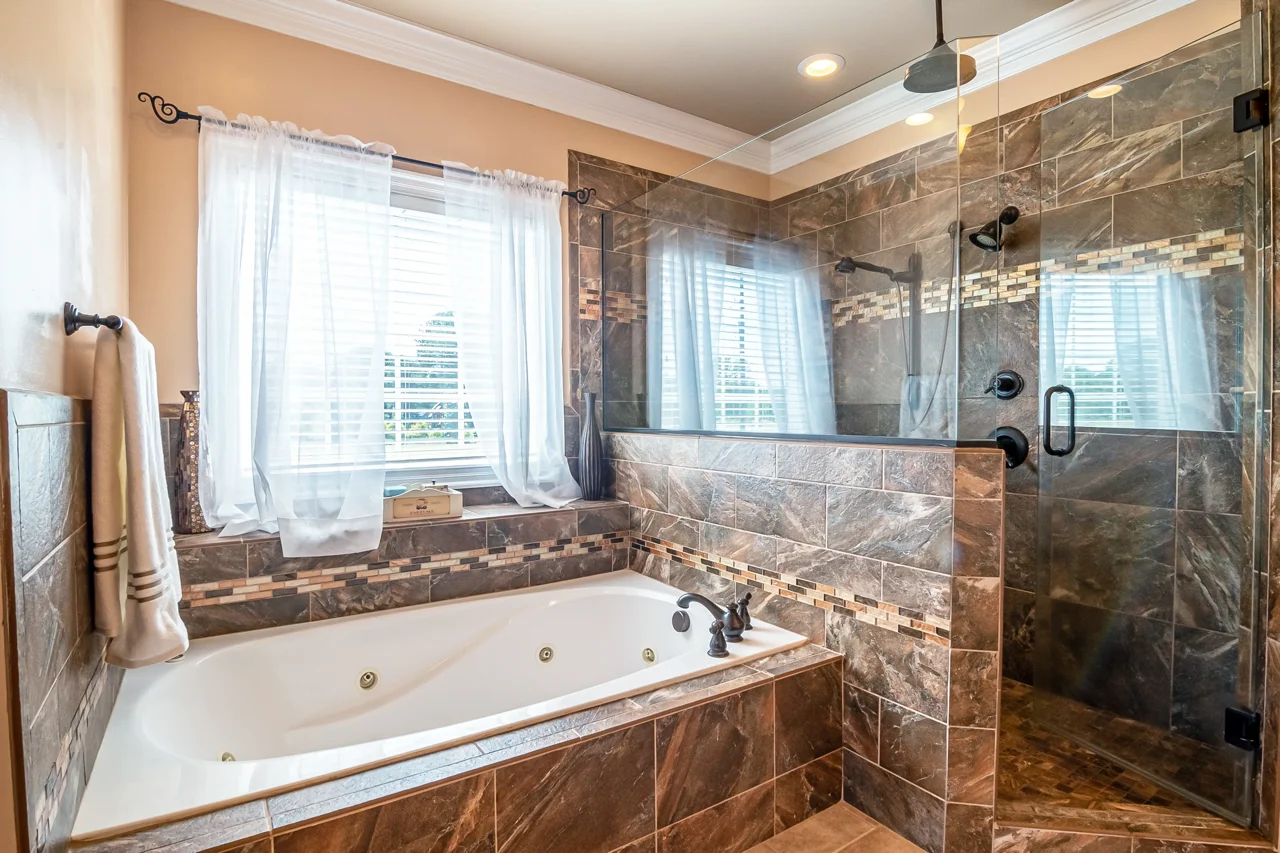
The ideal bathroom setup for maximizing buyer appeal often includes both a walk-in shower and a bathtub. A complete bathroom suite (including a double sink, walk-in shower, bathtub and toilet) can significantly increase home value because it offers multiple options for a wide range of buyers.
However, it’s important to consider the local market preferences. For example, a walk-in shower tends to be less appealing to young families who want the convenience of a standard bathtub, but it’s a great addition for buyers who prioritize accessibility and aging-in-place features. Installing a walk-in tub is also another option that may appeal to seniors or those with mobility issues.
It’s also important to consider how installing a walk-in shower affects your home’s available space and your household’s needs. Smaller spaces usually benefit from walk-in showers, as they can make it feel larger. If you also have a bathtub, walk-in showers can meet your household’s needs over time. Ultimately, consider your budget and whether you can afford the remodeling costs before selling your home.
Impact of Replacing the Only Tub With a Walk-In Shower
If you have only one bathtub in your home and choose to replace it with a walk-in shower, it’s important to understand how that can affect your home’s resale value. In most cases, removing a home’s only tub lowers resale value.
For most buyers, having at least one bathtub is a vital feature, especially for families with young children and pet owners. However, high-end buyers usually expect at least one soaking tub, especially in luxury or expensive homes. Others may simply value the relaxing nature of taking a bath over a shower. Removing the only bathtub in your home can reduce its appeal to these buyers.
Best ways to avoid hurting resale value when converting a tub to a shower:
- Match neighborhood demographics: If your home is in a family-focused neighborhood, then keeping the tub is typically better. However, urban condos and adult or seniors communities tend to favor walk-in showers.
- Use neutral, high-color materials: Choose timeless tile and classic colors over trendy designs that will appeal to fewer people and require the buyers to remodel again.
- Prioritize a professional, accessible layout: Include a low-threshold or curbless entry, and add grab bars or make it easy to install them later.
- Add or keep one tub: If your home has two bathrooms, then keep at least one tub. If that’s not possible, consider adding a secondary bathroom with a standard tub, which will increase your home’s overall value.
- Target the right bathroom: Convert the primary or master bathroom into a walk-in shower and leave the main family tub intact (or updated).
Walk-In Shower Features That Add Value
Adding the right features to your walk-in shower can significantly increase your home’s value. Below are some of the best luxury and convenience features to add to your walk-in shower to increase value.
High-Value Walk-In Shower Features
- Frameless glass enclosures
- Built-in niches & storage
- Rainfall showerheads
- Linear drains
- Chromotherapy lights
- Shower controls
- Body sprays
- Steam and aromatherapy
- Digital smart controls
- Heated floors
You don’t need to add all of these features; including just two or three is a great way to add value. Beyond aesthetics and convenience, identify key walk-in shower safety features to integrate seamlessly and boost your home’s overall appeal.
Walk-In Shower Safety Features
- Slip-resistant flooring
- Grab bars
- ADA-compliant benches/chairs
- Curbless entries
- Handheld showerhead
- Anti-scald valves
Another way to add value is to hire a professional to install your walk-in shower. Professional installation reduces buyer concerns about hidden defects or moisture damage. Similarly, using high-end materials that last, look good and are easy to clean will increase resale value.
The Bottom Line: Walk-In Showers & Home Value
Adding a walk-in shower to your bathroom is a great way to increase your home’s resale value. Walk-in showers open up the space, create a modern aesthetic, increase accessibility and are typically easier to maintain. They generally appeal to most people, especially in adult and senior communities or in urban settings where space is limited.
However, if your home has only a walk-in shower, you risk lowering its appeal, especially in family-oriented areas. Many families with young children prefer traditional tubs to walk-in showers, so research local demographics before replacing the only tub with a walk-in shower. Bathrooms with both a tub and a walk-in shower typically see the strongest resale value.
Frequently Asked Questions (FAQs): Walk-In Showers & Home Value
Minor and midrange bathroom remodels, such as installing walk-in showers and updating sinks and fixtures, usually add the highest home value.
The most common disadvantages of walk-in showers include water splashing outside, cooler temperatures, reduced privacy, no soaking option and a potential increase in fall risk if proper flooring isn’t installed.
Adding a walk-in shower can be a good investment before selling your home, unless it replaces the only bathtub. However, many homeowners feel that a costly renovation right before listing is risky, especially since each buyer has their own preferences. Research your neighborhood demographics to determine whether a walk-in shower is worth the investment.
A standard bathroom remodel with a walk-in shower can range between $10,000 and $30,000. However, if you’re focusing only on installing a walk-in shower and not the rest of the bathroom, prices typically range from $4,500 to $15,000, depending on the type of shower, provider and material used.
Help us improve our guides! If you’ve recently installed a walk-in shower or completed a bathroom remodel, we’d love to hear from you. Share your experience with us at [email protected]. Your personal details will stay completely confidential.