
Retirement Living takes an unbiased approach to our reviews. We may earn money when you click a partner link. Learn More
Do Walk-In Tubs Leak?
Understand how walk-in tubs are built to prevent leaks, what can cause problems and how to keep your tub watertight for daily use.


Updated:
At a glance:
- Walk-in tubs are designed to stay watertight when installed and maintained correctly, using sealed doors and durable materials.
- Most leaks come from worn seals, poor installation, or high water pressure, all of which can be prevented with regular care.
- Choosing professional installation and following the manufacturer’s maintenance guide ensures a safe, waterproof bath for daily use.
When properly installed, walk-in tubs do not leak. These tubs use watertight doors and high-quality seals to keep water inside the bath throughout each use. A secure door seal, correct installation and regular maintenance are the main factors that prevent leaks in walk-in bathtubs.
This guide explains how walk-in tubs stay watertight, what causes leaks and how to prevent them. It also outlines key safety features and how to choose a reliable walk-in bath or walk-in shower for your home.
What Is a Walk-In Tub and How Does It Work?
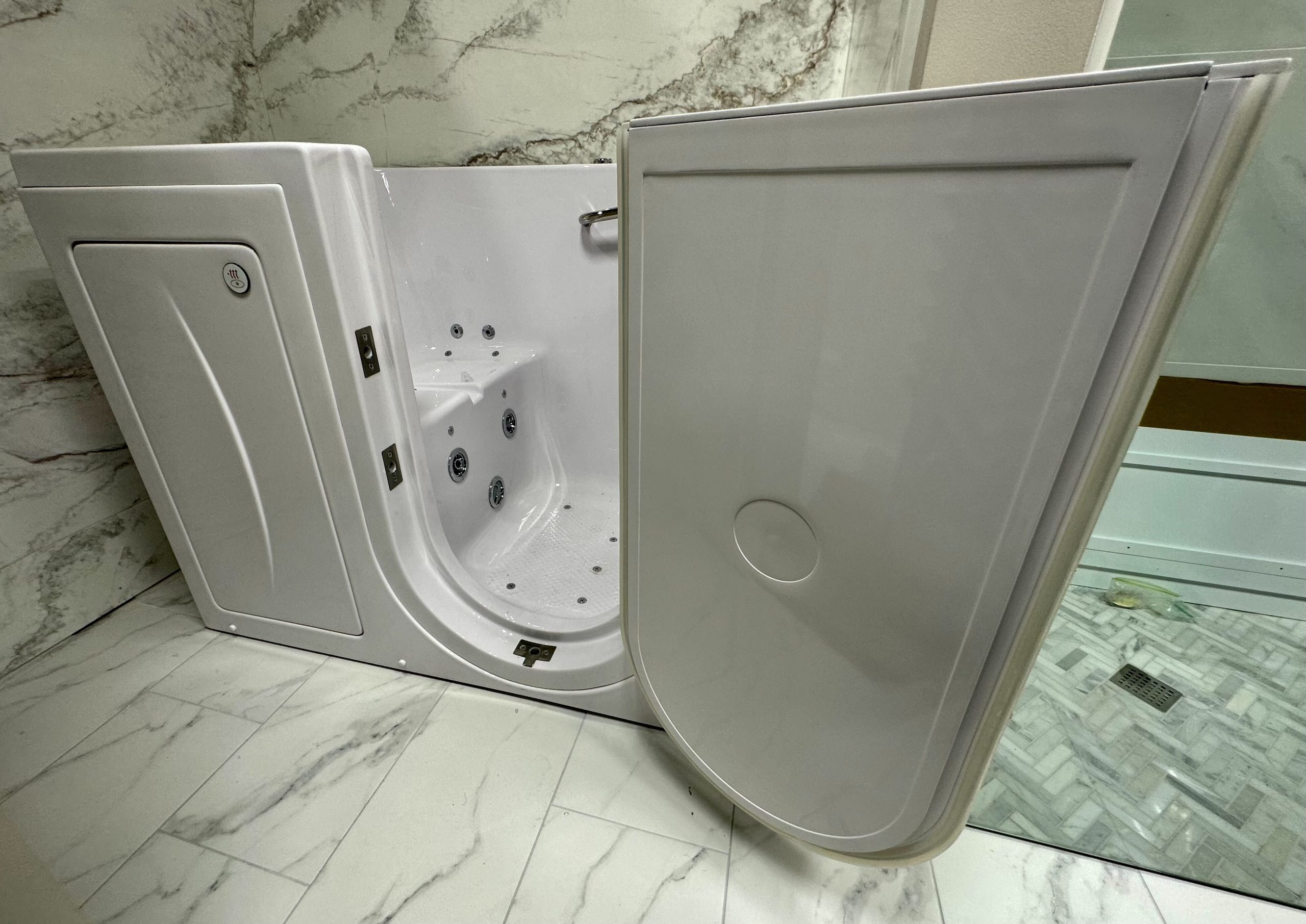
A walk-in tub is a type of bathtub designed to help older adults and people with limited mobility age in place safely. Instead of stepping over a high wall to bathe, the user opens a watertight door, walks in and closes it behind them. Once the door is sealed, the tub fills with water to the desired level. After bathing, the drain releases the water before the user opens the door again.
The door mechanism is an added leak risk compared to a standard bathtub. However, these doors are engineered and tested to hold water when closed, so with proper installation and occasional inspection, the pros usually outweigh the cons for seniors with mobility issues. After all, both tubs can ultimately leak from the drain, overflow, surround, or plumbing penetrations.
Most types of walk-in tubs have a built-in seat, a low threshold, and built-in grab bars for balance. Many also include hydrotherapy jets and heated seats that help relax muscles and improve circulation. Some models work as a walk-in tub and shower combination, allowing a seated bath or a standing rinse with adjustable showerheads.
What Keeps Walk-In Tubs From Leaking?
Walk-in tubs hold a lot of water but can stay watertight thanks to a leak-proof door and a durable acrylic or fiberglass shell. High-quality construction covered by warranty terms helps maintain that watertight barrier for many years of normal use. Keeping household water pressure within the recommended range also protects seals and fittings from strain.
If you’re buying a walk-in tub for a bathroom remodel, always hire trained installers familiar with walk-in tub installation requirements. Professional installation ensures the tub sits level and connects securely to the drain and water lines. Incorrect alignment or plumbing can cause leaks even in a new tub. On installation day, request a full leak test where the tub is filled to a normal level and any jets are run. You should also inspect around the base of the tub for any signs of moisture post-installation.
Frequency of Walk-In Bathtub Leaks Compared to Standard Tubs
Neither walk-in tubs nor standard soaking tubs stay leakproof forever, with the overflow, drain pipes, and caulk lines all being potential leak points. However, traditional bathtubs don’t have a door mechanism, which is where walk-in tubs are most likely to leak from.
More specifically, the rubber seal around the edges of the tub door can compress, harden or shift out of place, which is the most common source of door-related drips. Having the tub properly installed can help prevent this from happening, but normal operation will wear down the seal over time regardless.
Ultimately, walk-in tubs don’t necessarily fail faster or more frequently but do have an additional point of failure to maintain. To keep the risk low, look for models with a strong warranty on the door and seal, confirm the installer will test the tub for leaks before leaving and make gasket inspection part of your regular cleaning routine.
Common Causes of Walk-In Tub Leaks
Although the answer to “do walk-in bathtubs leak” is generally no, small issues or improper installation can cause leaks over time. The most common causes are door seal wear, improper installation, and high water pressure, which can strain seals, joints, and fittings.
Additionally, simple user errors like improper door closure, whether caused by a towel or bathmat caught in the doorway or debris on the seal (soap scum, hair, etc.), can lead to leaks. It’s important to clean the gasket regularly and remove anything from the doorway before and after bathing.
Overfilling the tub beyond the overflow line can also cause drips, but this is a leak by design rather than a defect. Tubs with overflow-related piping do this to prevent damaging spillover. Leaks at normal fill levels during normal use are different and point to the door or plumbing.
To find the source of your tub’s leak, follow our step-by-step troubleshooting checklist below.
How to Prevent Walk-In Tub Leaks
Taking care of a walk-in tub requires more effort than a standard tub, but with proper installation, regular door seal inspections, and proper repairs when needed (not DIY fixes), you can prevent leaks for longer.
When comparing models, you should also ask about lifetime warranty coverage, available service plans and professional installation. Compare trusted providers side by side using our best walk-in tubs guide to see which options fit your needs best.
How Long Do Walk-In Tub Door Seals Last?
There’s no universal door seal lifespan, but most are designed to last several years with proper care. Check your manual or warranty paperwork for the manufacturer’s stated lifespan and coverage terms. Some brands provide lifetime shell and door seal coverage, while others limit coverage to a set number of years. You might also find information about which installer/technician to call.
Anything from the gasket material, how often you bathe, water quality, and the cleaning products you use all impact seal health. Hard water and harsh chemicals can be especially damaging. Here are some signs your seal needs replacing, and that it’s time for a service call:
- Visible cracks, rips, or brittle, hardened rubber
- The seal looks permanently flattened or no longer springs back
- Dripping or damp spots around the door when filling or soaking
- The door is difficult to close or does not latch fully
For professional gasket replacement, the technician first removes the old gasket and cleans the sealing surface. Once the site is prepped, they then fit a new gasket made for your model and leak-test the door. They should also run any jets and check all visible joints for drips before they leave.
It’s good to be present during this process and ask questions if you notice any unwanted moisture. Many brands cover door seals under their warranty, so the repair may be free or low-cost.
Inspection Schedule and Routine Maintenance Tips
- Monthly: Wipe down the gasket and look for soap scum, mineral buildup, or debris that would prevent the door from closing properly.
- Every three to six months: Run your fingers along the seal to check for cracks, gaps, flattened or hardened spots, and poor alignment. Confirm the door latches smoothly and sits evenly against the seal.
- Annual inspection: Fill the tub, watch the door edges for seepage and drain it while checking the surrounding floor. If your warranty or service plan includes a yearly visit, schedule it through the manufacturer or dealer.
What to Do If Your Walk-In Tub Leaks
If you notice water around your walk-in tub, stop using it until you can find the source of the leak. The location of the leak will tell you whether to call your installer, the manufacturer or a plumber.
Where Is the Leak Coming From?
From door seal failures to loose drain connections or worn grout, our step-by-step checklist can help you find out what’s to blame for the leak and who’s the best person to contact. But for initial clarity, here are a few tips for matching the timing and location of the water to the most likely source:
- Door leaks usually cause water to appear along the bottom or side edges of the door. Once the water level drops below the door seal or if the tub is empty, the leak should stop.
- Supply line or plumbing leaks continue around the clock, even when the tub isn’t being used. Look for damp spots near the faucet and wet panels or flooring behind the tub. An unexplained rise in your water bill can also be an indicator.
- Drain assembly issues cause moisture to show up near the drain connection or underneath the tub while it’s emptying or shortly after. Stains on a ceiling below the bathroom can also point to a drain assembly leak.
- Overflow fitting problems only cause leaks when the tub is filled past the overflow line. Check for dampness around the overflow plate and the pipe connection behind it.
- Grout and surround cracks and flaws can cause water to seep through and get to the walls or floors outside the tub. These leaks tend to appear in the same spot and may leave soft or discolored areas.
Narrowing down the primary cause of the leak is important because it tells you who to contact. For door leaks, call the manufacturer’s service line or your installer. Drain assembly, overflow fitting or supply line leaks might require a licensed plumber, even if the fix falls under your warranty. Finally, you’ll need a tile or remodeling professional for grout and surround leaks.
Step-by-Step Troubleshooting Checklist for a Suspected Leak
- Determine whether it’s a constant leak or a periodic leak. Constant leaks continue even when the tub is empty, indicating an issue with the pressurized water lines. Periodic leaks only occur when the tub is filling, in use or draining, which points to issues with the door seal, caulk, or overflow.
- Do a door seal inspection. Faulty door mechanisms are the most common cause of walk-in tub leaks. While the tub is empty, check the rubber gasket for damage, failure spots, and unwanted buildup. Then, close the door and see if it latches fully and fits flush against the seal. If it doesn’t, a repair or replacement might be needed.
- Check the supply lines and faucet connections. Before you start filling the tub with water and running other tests, look under and behind accessible panels for damp fittings or drips from the hot and cold water lines and the valve.
- Inspect the surrounding tile, caulk and flooring. Look for cracked grout, failing caulk, or soft spots in the non-slip flooring. Water that appears here but not during a fill and drain test may be splashing out rather than leaking.
- Run a fill and drain test. If the door isn’t the issue, test the drain next. First, fill the tub halfway and watch the door edges, faucet base, and jets for drips. After several minutes, drain the tub and watch the drain connection and the floor beneath it as the water empties.
- Test the overflow. Still can’t find the issue? Fill the tub to just below the overflow line, then check the overflow drain and pipe connection behind it for moisture.
- Note your findings. Record your findings: when leaks occur and from where, so you can describe the problem accurately to a professional technician.
The Importance of Professional Repairs
Unless you’re a certified plumber, we don’t recommend trying to reseal or tighten walk-in tub parts yourself. Simple mistakes can make the problem worse or even void your lifetime warranty.
Instead, contact your installer or the manufacturer’s service line—usually found in the product manual or warranty paperwork. If you still can’t pinpoint the source of the leak after using the step-by-step checklist, have a technician perform a full evaluation.
Frequently Asked Questions (FAQs) About Walk-in Tubs Leaks
Yes, walk-in baths are waterproof when installed and used correctly. Each model has a watertight door seal that keeps water inside the tub during filling and draining. The seal tightens under water pressure, preventing leaks while the bath is in use. Most walk-in baths are made from molded acrylic, a solid material that resists bending or cracking over time. This design keeps the seal even and prevents small gaps from forming.
Quick-drain systems can actually lower leak risk due to door pressure, overflow, or seepage, as the tub empties faster. However, they also rely on extra drain valves and fittings that, when clogged by debris, can malfunction and cause issues. Call your installer if you notice slow draining or moisture around the drain.
Walk-in tub recalls are very rare, but as with any plumbing fixture, they are possible. Recalls are also usually related to burn hazards, scalding, or electrical concerns rather than leaks. To stay informed about your specific model, register your tub with the manufacturer after installation and check the manufacturer’s website or the Consumer Product Safety Commission (CPSC) website for any notices.
Help us improve our guides! If you’ve recently installed a walk-in tub or have insights on how yours works, we’d love to hear from you. Share your experience with us at [email protected]. Your personal details will stay completely confidential.