
Retirement Living takes an unbiased approach to our reviews. We may earn money when you click a partner link. Learn More
Custom Home Elevators: Cost & Design Options
Choose the drive system, cab style, doors, and interiors when designing a custom home elevator.


Updated:
AT A GLANCE:
- When designing a custom elevator, prices typically range from $35,000 to $80,000, but with more stories, features, and personalization, costs can easily exceed $100,000.
- Custom design options for home elevators include the drive system, doors & gates, trimming, and interior finishes such as wood paneling, lighting, control panel style, grab bars, and more.
- When choosing a custom home elevator, consider your home’s layout and available space, your budget, safety needs, ongoing maintenance, and design preferences before making a final decision.
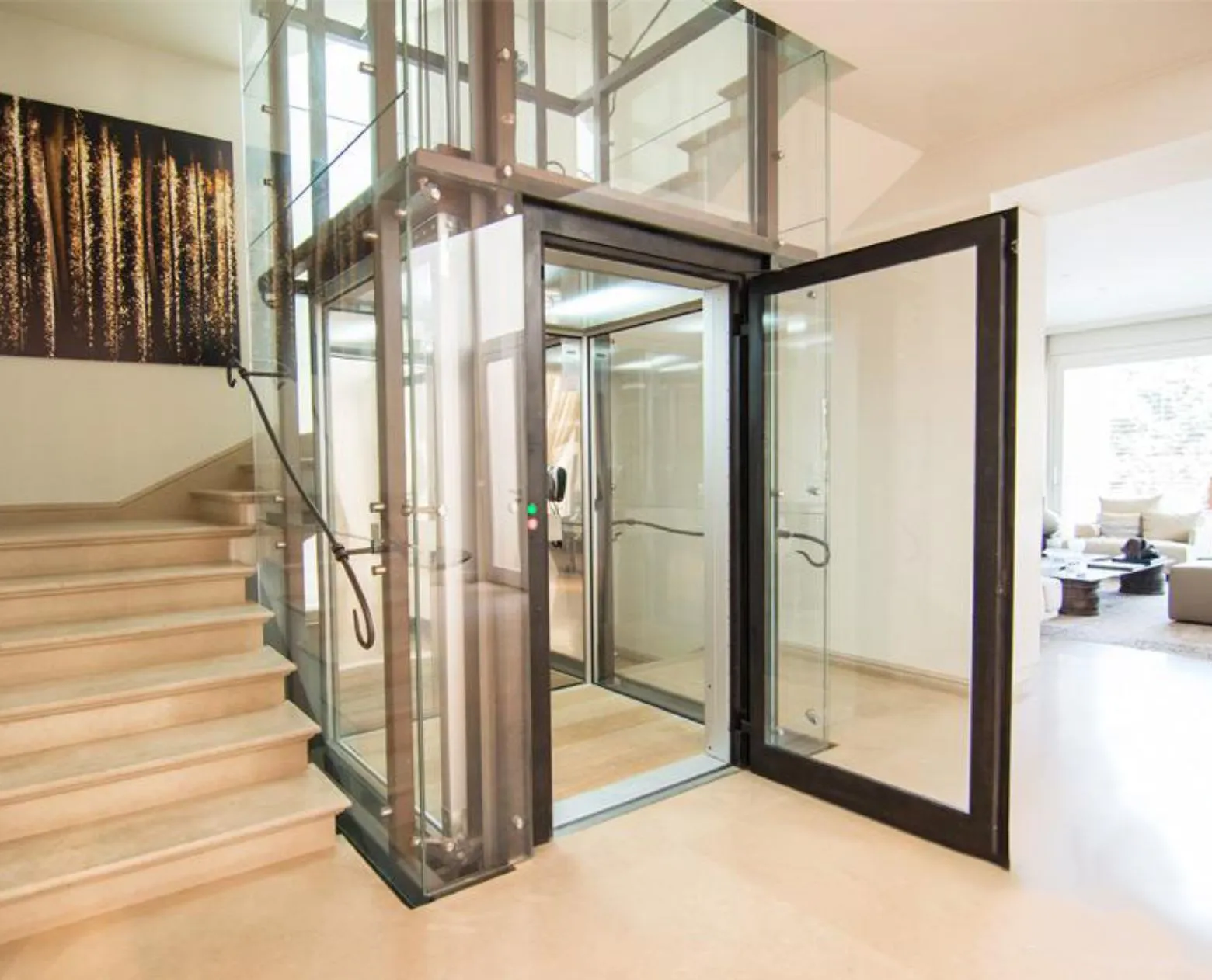
Installing a custom home elevator offers accessibility and luxury to your home. Not only are custom models perfectly tailored to your home’s layout, but they fit your personal style and home aesthetic. Choosing to install a custom home elevator is a major investment, both in time and money, but it also increases your home’s value, ensures accessibility, and prolongs your independence.
What Is the Average Cost of a Custom Home Lift?
The average cost of a home elevator depends on various factors, including your home setup, installation, the drive system, materials used, added features, and provider. While basic shaftless lifts can be as low as $20,000, you can expect costs for a custom-designed home elevator to range between $35,000 and $80,000 for a standard two-story home. Luxury units or highly customized elevators, however, can exceed $100,000, so it’s important to have a solid budget and prioritize safety before luxury features.
Additionally, the more floors an elevator must service, the higher the final costs. While exact prices vary by provider, each additional floor typically adds $10,000 to $15,000. You will need an in-home assessment to get an exact cost for your customized elevator.
Design Options for Custom-Made Home Elevators
When you create your own residential home elevator, you can choose the number of floors it travels, the cab height, the drive system, door & gate styles, finishes, and fixtures. Below, we explore the main categories you can often customize for your home elevator.
Drive System
The type of elevator, determined by its drive system, affects how it operates. It also affects how much space is required to install and how extensive the renovation is.
- Pneumatic: Also known as a vacuum elevator, the pneumatic elevator uses a vacuum pump system to move. It’s typically cylindrical and shaftless, taking up little space and requiring minimal construction.
- Hydraulic: A hydraulic lift uses pressurized hydraulic fluid (usually oil) to operate. These lifts are known for smooth, fast, and quiet rides, but they require a machine room, which takes up space and often requires more extensive construction.
- Traction: Traction elevators use steel ropes, pulleys, motors, and counterweights to operate. They’re often considered energy-efficient and don’t typically require a separate machine room.
- Pitless/Shaftless: Sometimes called through-the-floor elevators, shaftless models have an electrical drive system but can also use hydraulic or winding-drum (similar to traction) systems. They don’t require an elevator shaft, making them space-saving and easy to install.
The drive system you choose determines how much space is needed, the level of renovation required, and overall appearance. However, it’s important to keep in mind that certain models, like shaftless and pneumatic, tend to have lower weight capacities and floor limits.
Doors and Gates
Depending on the provider and your budget, you may be able to choose the number of and type of doors your elevator has. You can also opt for more stylish gates, and sometimes both. From there, you can often choose from different materials, colors, and finishes.
Types of home elevator doors:
- Center-opening
- Side-opening
- Telescopic
- Swing doors
Home elevator gate styles:
- Accordion gates
- Scissor gates
- Sliding panel
Common materials include acrylic, hardwood, aluminum, vinyl-laminated panels, and metals like brass and steel.
Cab Styles and Interior Finishes
The interior of your elevator is where customization can really shine. You can choose from various styles, including vintage, modern, classic, and more. Options for the trims and finishes determine color and ambiance. Fixtures, such as mirrors, lighting, handrails, controls, and panels, are a great place to add your personal touches.
Popular custom solutions to add to your home elevator:
- Wood Panels: Oak, cherry, maple, hickory, or walnut
- Glass Panoramic: Partial or fully glass-walled cabs
- Custom Flooring/Ceiling: Hardwood, stone, tile, or carpet to match your home’s landings.
- Fixtures & Finishes: Handrails and operating panels in brushed stainless steel, oil-rubbed bronze, brass, or nickel
- Lighting: LED bulbs and strips, mounted fixtures, island downlights, and acrylic lighting panels
Additional features you can often customize include safety and accessibility solutions, such as obstruction detectors, key locks, access controls, emergency lowering and unlocking, emergency contact alerting, and self-diagnostic tools.
Factors to Consider When Choosing a Custom Home Elevator
When choosing between home elevator designs, consider the following factors to ensure the process goes as smoothly as possible. It’s best to consider these details beforehand and settle on a few options so you are prepared when discussing options with your home elevator provider.
Space and Designs
Elevators require a significant amount of floor space, typically 20 to 25 square feet. Even small elevator designs require at least 3 by 3 feet, but 5 by 5 is highly recommended for comfort and accessibility.
As such, evaluating the available space within your home is one of the first things you should consider. While there are many models designed to take up little space, installing a custom home lift can make the space feel cramped if your home is already on the smaller side. Consulting with a professional about optimal size and placement will ensure you start from the right place when designing your elevator.
Cost and Budget
As discussed above, home elevators are a significant investment. It’s important to set realistic cost expectations and a reasonable budget. Prioritize features that ensure functionality and safety first; after, you can begin looking at aesthetic options. If style and advanced features are high priorities, budget accordingly. Keep in mind that costs can exceed $100,000 for luxury and highly customized units.
Safety Features and Compliance
The safety of you and your loved ones is the most important aspect of installing a home elevator. When choosing a custom elevator, look for models equipped with critical safety features, such as emergency alarms, backup power systems, manual lowering mechanisms, slack rope safeties, and communication systems.
It’s also important to consider current and future mobility needs. Because custom cabs come in various dimensions, you can choose a size that comfortably accommodates wheelchairs or walkers if needed. You also want to make sure your custom lift complies with all applicable safety codes and regulations, which may vary by location.
Maintenance and Service
Home elevators, custom and standard, require routine maintenance to ensure smooth and safe operation, usually once a year. Some providers offer ongoing support and warranties for basic maintenance services; however, you may be able to get extended warranty coverage for parts and services.
Even with a warranty, make sure you consider ongoing maintenance costs when choosing your elevator. Discuss maintenance and warranty options with your provider.
Fixtures and Features
Arguably one of the most fun parts of a custom elevator is the fixtures and features, allowing you to add your own taste to the design. You can typically choose from a variety of materials, such as wood, metal, and acrylic, and personalize the cab’s lighting and gate styles so it integrates smoothly into your home.
The Bottom Line: Custom Home Elevator Designs
Home elevators are a great mobility solution for individuals who struggle to safely travel between floors and for those who use wheelchairs or scooters. Additionally, you can often customize your elevator to fit the layout of your private residence and match your style preferences.
When choosing a custom home elevator, be sure to consider the costs, available space, drive systems, interior fixtures, ongoing maintenance, accessibility, and compliance.
Frequently Asked Questions (FAQs): Custom Home Elevator Designs
Because custom elevators are made to order, each project will have its own completion timeframe. However, typical custom elevator installations can take between two and five months from start to finish.
Limitations will depend mostly on the provider and manufacturer. While some places may be able to make your elevator match a nautical or garden aesthetic, others may be limited to different woods and textures. The main limitations custom-made elevators face revolve around mechanical safety rules, weight limits, and structural space requirements.
Custom elevators are typically worth the investment if you’re planning to age in place, need to carry heavy items between floors frequently and are worried about self-injury, or have mobility issues that make moving between levels difficult, dangerous, or impossible.
The main types of residential elevators are hydraulic, pneumatic (vacuum), traction (MRL), winding drum, and shaftless (through-the-floor). The type that’s right for you depends on your home’s layout, available space, budget, and weight capacity needs.
Help us improve our cost data! Email your latest home elevator quote to [email protected]. Rest assured, your personal details will remain completely confidential.