
Retirement Living takes an unbiased approach to our reviews. We may earn money when you click a partner link. Learn More
How Long Does It Take to Move?
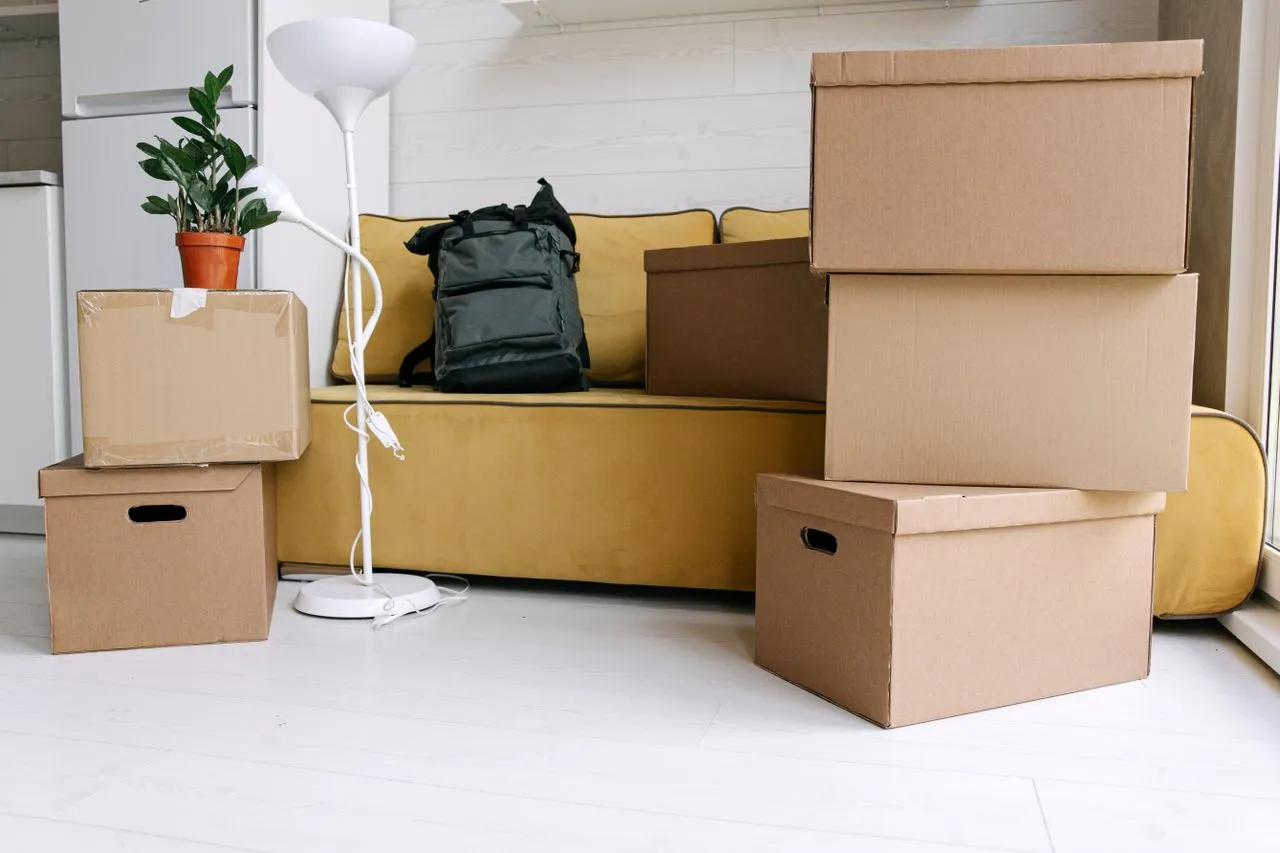
Most local moves take a few hours, but long-distance deliveries can take up to two weeks.


Updated:
At a glance:
- Most local moves take 2 to 8 hours, while long-distance shipments usually arrive within 2 to 14 days after loading.
- A bigger home doesn’t necessarily mean a much longer day, because moving companies send crews sized to fit each job.
- Stairs, long carries, elevators, and unpacked boxes can add hours to your bill.
Moving day can feel endless, but moving locally takes less time than people expect. Data from about 225,000 local moves in 2025 shows it took professional crews roughly four to five hours, whether the move involved a one-bedroom apartment or a three-bedroom house. Long-distance moves work differently: loading the truck takes only a day, but your belongings may not arrive for a week or two.
Fewer Americans are moving than in years past. According to the U.S. Census Bureau, about 39.4 million people, or 11.6% of the population, moved in 2025, down from 11.8% in 2024. If you have a move planned, knowing how long each stage takes helps you book the right crew, budget for hourly labor, and plan where you’ll stay while your furniture is en route.
This guide breaks down typical move times by distance and home size, as well as the factors that add hours to your moving day and the steps that can cut them. If you’re planning a later-life move, our guide to senior moving services covers downsizing, packing and settling in.
How Long Does It Take to Move?
Most local moves take 2 to 8 hours from the time the crew arrives until the crew carries the last item into your new home. A long-distance move usually takes a day to load, then 2 to 14 days for delivery depending on the distance and how your shipment is traveling.
The factors that make the biggest difference in how long the process takes are crew size, distance, and how ready you are when movers arrive.
Typical Local Move Time Ranges
Local movers usually charge by the hour, so time matters for your budget. All My Sons Moving & Storage reviewed about 225,000 local moves of less than 35 miles in 2025. The company found that its crews took about 3.9 hours for a one-bedroom apartment, 5.1 hours for an apartment with two or more bedrooms and 4.8 hours for a three-bedroom house.
A single-day move is realistic for most local households. Homes with four or more bedrooms or with a full basement, attic, or garage may need one day to load and a second day to unload, especially if the crew is also doing the packing.
Typical Long-Distance Move Time Ranges
Long-distance crews typically load your home in a single day, but delivery takes longer. Moves of up to 500 miles often arrive in 2 to 3 days, and moves of up to 1,000 miles in 3 to 7 days. Cross-country shipments of 2,000 to 3,000 miles usually take 5 to 10 days on a dedicated truck and up to 14 days on a shared one.
There are several reasons for this. Federal hours-of-service rules limit moving truck drivers to 11 hours behind the wheel after 10 consecutive hours off duty, so even a direct trip takes several days. Smaller shipments often ride on a shared truck that makes stops for other customers, and that extends your delivery window.
Interstate movers must include agreed pickup and delivery dates, or a range called a “delivery spread,” on your bill of lading, the contract for your move. Your shipment can arrive any day in that window, and if you aren’t ready, the mover may store it at your expense. Comparing the best long-distance moving companies can help you find one with a delivery window that fits your plans.
What Is Included In Move Time?
On moving day, the clock covers three jobs: loading, driving, and unloading. Loading generally takes the longest, because the crew has to wrap furniture and place everything securely in the truck. Without stairs or long carries at the new home, unloading often takes one-third to one-half as long as loading does.
Packing happens before moving day and often involves the biggest time commitment. Packing a moderately furnished studio or one-bedroom apartment yourself can take 4 to 6 hours, while a three- or four-bedroom home with a basement, attic, and garage can take 5 to 7 days. Unpacking after the movers leave adds more time.
Move Time Estimates by Home Size
Bigger homes take longer to move, but not as much as you might expect, because movers send larger crews to larger homes. Most moves need two to four movers. The table below shows typical crew sizes and hours to load and unload a well-prepared home.
| Home size | Typical crew size | Typical hours |
|---|---|---|
| Studio | 2 movers | 2 to 3 hours |
| 1-bedroom | 2 movers | 2 to 3 hours |
| 2-bedroom | 2 to 3 movers | 2.5 to 3.5 hours |
| 3-bedroom | 2 to 3 movers | 2.5 to 4 hours |
| 4+ bedroom | 3 to 4 or more movers | 3 to 5 or more hours |
These estimates assume that all boxes are packed, all furniture is ready to go, and there are no major access problems. Drive time between homes comes on top of these hours. Homes with four or more bedrooms may need multiple days if the crew is also doing the packing, and specialty items like pianos, safes, and home gyms can push any move past these averages.
Moving an apartment can take as long as moving a larger house. In All My Sons’ data, apartments with two or more bedrooms took about 5.1 hours on average, compared with 4.8 hours for three-bedroom houses. This may sound counterintuitive, but elevator access, stairs, long hallways, and limited parking explain much of the additional time.
Moving Factors that Change Your Timeline
Two homes with the same number of bedrooms can take very different amounts of time to move, with access, preparation, and heavy or bulky items causing most of the difference. These are the biggest time drivers:
- Packing readiness: Movers work fastest with boxes of similar size that are sealed and labeled. Loose items, trash bags, and last-minute packing make loading take longer, and you pay for every extra hour.
- Stairs: Every trip up or down a flight adds time, and narrow stairwells may call for an extra mover. Interstate movers may add a flight charge for carrying items up or down stairs.
- Elevators: Shared elevators mean waiting. Many apartment buildings also limit moves to reserved time slots, so a late start can leave your crew racing a hard deadline.
- Parking distance: When the truck can’t park near your door, every trip takes longer. Some movers add a long-carry fee once the distance passes a set point, often around 75 feet.
- Bulky and specialty items: Pianos, safes, pool tables, and full-size appliances need extra hands, special equipment, or both. An upright piano usually takes three to four movers, and a large gun safe may take four.
- Furniture disassembly: Bed frames, shelving, and tables that come apart on moving day eat into crew time. Taking them apart the night before saves crew time.
- Weather: Rain, extreme heat, and icy roads slow both loading and driving.
- Extra stops: A stop at a storage unit or a second address adds both drive and handling time.
Tell your mover about any of these conditions that apply when you’re requesting an estimate. For interstate moves, the mover can bill you after delivery for unexpected conditions such as stairs, elevators, or required parking permits at your new home.
Ways to Move Faster on Moving Day
Work that you do in the weeks before can save time and money on moving day. Local movers charge by the hour, so every hour you cut also trims your bill. These steps make the biggest difference:
- Declutter first. Sell, donate, or toss what you won’t use in your new home. Fewer belongings mean fewer boxes to pack, load, and unload.
- Finish packing before the crew arrives. Seal and tape every box. Uniform moving boxes stack faster and more securely than bags or laundry baskets.
- Label boxes by room and priority. Mark each box with its destination room so the crew can place it without asking. Mark essentials like bedding, toiletries, and kitchen basics to load last and unload first.
- Take furniture apart the night before. Break down bed frames and shelving and keep the hardware in labeled bags.
- Stage boxes near the exit. Stack packed boxes in the garage, entryway, or room closest to the door so movers spend less time walking through the house.
- Reserve elevators and parking. Book elevator time at both buildings and arrange a loading zone or parking permit so the truck can park close to the door.
- Clear pathways. Remove rugs, doormats, and anything blocking halls or doorways.
- Set aside what you’ll move yourself. Keep valuables, medications, and important papers in a separate spot so they don’t end up on the truck.
Decluttering often saves the most time of all, because it reduces every step that follows. On long-distance moves, it can also lower your cost, since interstate charges are usually based on the weight of your shipment. Our guide to long-distance moving costs explains how movers price these moves, and our guide on how to move to another state walks you through the full timeline.
Frequently Asked Questions (FAQs) About Moving Times
It typically takes 2 to 8 hours to move house locally, not counting packing. Larger homes or moves that include packing services can stretch into a second day.
You should hire movers for at least two hours, since most companies require a minimum of two movers for two hours. Plan on about 2 to 3 hours for a studio or one-bedroom and 3 to 5 or more hours for a home with four or more bedrooms, plus drive time.
Packing a one-bedroom apartment typically takes 3 to 6 hours, depending on how much you own. A heavily furnished apartment can take longer than 6 hours.
How long movers take to load a truck depends mostly on how much you own and how ready it is. Loading usually takes longer than unloading, which often takes one-third to one-half as long when there are no stairs or long carries.
A move from one state to another typically takes 2 to 14 days from loading to delivery. Moves of up to 500 miles often arrive in 2 to 3 days, while cross-country shipments can take 5 to 14 days.
Article Sources
Retirement Living writers primarily rely on government data, industry experts, and original research from other reputable publications to inform their work. Specific sources for this guide include:
- U.S. Census Bureau, “Geographical Mobility in the Past Year by Age for Current Residence in the United States (Table B07001), 2025 American Community Survey 1-Year Estimates.” Accessed Nov. 9, 2026.
- U.S. Census Bureau, “Geographical Mobility in the Past Year by Age for Current Residence in the United States (Table B07001), 2024 American Community Survey 1-Year Estimates.” Accessed Nov. 9, 2026.
- All My Sons Moving & Storage, “How Long Does it Take to Move Based on the Size of Your Home?” Accessed Nov. 8, 2026.
- Allied Van Lines, “Understanding Interstate Moving Timelines: What to Expect for Your Cross-Country Relocation.” Accessed Nov. 8, 2026.
- Federal Motor Carrier Safety Administration, “Summary of Hours of Service Regulations.” Accessed Nov. 8, 2026.
- Federal Motor Carrier Safety Administration, “Your Rights and Responsibilities When You Move.” Accessed Nov. 8, 2026.
- HireAHelper, “How Many Movers Do You Need?” Accessed Nov. 8, 2026.
- moveBuddha, “Why Does Moving Take So Long?” Accessed Nov. 8, 2026.
Help us improve our guides! If you’ve recently moved or have insights on how long the process took from start to finish, we’d love to hear from you. Share your experience with us at [email protected]. Your personal details will stay completely confidential.