
Retirement Living takes an unbiased approach to our reviews. We may earn money when you click a partner link. Learn More
Stair Lift Maintenance: Monthly & Annual Care Guide
Stair lifts should be serviced annually by a qualified technician, but monthly cleaning, obstruction clearing, lubrication, and battery checks are also essential to keep them in top condition.


Updated:
At a glance:
- At least once a month, stair lift users should commit to regular maintenance tasks such as clearing debris from the rail, decluttering around the lift, wiping down the chair, lubricating, and checking battery health.
- Stair lifts should be serviced annually by a professional technician to prevent wear and tear and minor issues from turning into costly malfunctions.
- Annual routine maintenance for stair lifts costs between $100 and $300 per visit and can usually prevent expensive repairs.
Whether you’ve just installed a new stairlift or are looking to extend the lifespan of an existing system, regular maintenance is key. While simple, these in-home mobility solutions have moving parts and electrical connections that can malfunction if not properly cared for.
To prevent costly issues, we recommend a few basic monthly maintenance habits and professional servicing at least once a year. Read on to learn more about how you can enjoy a high-quality stair lift for years to come.
How Stair Lift Type Impacts Maintenance
While most stair lifts operate on a battery-powered rail system, maintenance costs and requirements can still vary by type. For example, traditional stair lifts include an upholstered chair that should be wiped down and maintained, while chair lifts have a metal platform for lifting wheelchairs and scooters.
So it’s easier for you to find the best stair lift, here are the key differences between stair lift types outlined:
- Straight stair lifts: Generally, the most affordable to maintain due to standardized rail sections and widely available replacement parts. For these installations, it’s important to monitor debris buildup on the rail and track, wear on drive gears, chair upholstery, and the functionality of additional safety features such as swivel seats or folding footrests.
- Curved stair lifts: Usually have higher annual maintenance costs due to custom-built rails that require bespoke replacement parts. Navigating bends and curves places greater stress on the motor and gearbox over time, so more frequent inspections are advisable. Joints and track sections at each curve should also be checked regularly for misalignment.
- Chair lifts: Because these lifts have a platform rather than a chair, they may require heavy-duty motors, lifting columns, or additional safety sensors that are more costly to maintain. The metal platform should be inspected regularly for surface corrosion, but generally requires less upkeep than upholstered chairs. Additionally, hydraulic or electromechanical lifting components need periodic fluid checks or lubrication, depending on the system type.
Monthly Stair Lift Maintenance Tips
To avoid costly surprises during an annual inspection, there are several simple maintenance tasks you can perform at home to keep your stair lift in top condition. Most of these monthly tasks are easy to complete, even if you’re a senior with mobility issues.
Basic Cleaning
Stair lift rails, tracks, and chairs/platforms are easy to keep clean and require no chemicals. Most often, you can use a dry cloth to wipe away dust and debris that accumulates on the rail and track over time. Then, a damp cloth can be used on the chair seat, armrests, and footrest to keep the upholstery in good condition.
Remove Obstructions
To keep your lift in good working order, walk the full length of your staircase at least once a month to check for obstructions. Objects left around the steps can prevent the lift from moving or trigger safety sensors. You should also fix or remove loose rugs, cables, or clothing so they don’t get caught in the lifting mechanism.
Check Battery Life
Most modern stair lifts will beep or emit a warning sound to let you know the battery is either low or not charging properly, but for additional peace of mind, there are steps you can take to check battery health yourself. First, ensure the charger is properly connected when the lift isn’t in use, as it’s designed to charge when parked. Loose or faulty connections are a common cause of battery issues, so it’s important to rule that out first.
Next, you can test the lift by having it go up and down the stairs, checking that the battery maintains a consistent charge while running. If the lift slows down or stops during the journey with no obstructions present, it may be time to contact a professional technician.
Lubrication
For lifts that need regular lubrication, applying a small amount of manufacturer-recommended lubricant to the rail each month helps keep the carriage running smoothly. Avoid over-lubricating, as excess product can attract dust and debris that build up along the track. Check your user manual to find recommended products and techniques.
Tighten Screws
Home lifts are secured to the stair treads with brackets and screws, so for ongoing safety, it’s important to inspect them regularly. After all, the vibrations caused by daily movement can gradually loosen them. Use the appropriate screwdriver or wrench to gently retighten any loose screws, being careful not to overtighten, as this can strip threads or crack plastic components.
Troubleshooting (When Necessary)
If your lift stops moving unexpectedly, slows down, or makes unusual noises (grinding, clicking, etc.), the first step is to review your user manual. The manual will typically include a diagnostic guide for common issues like obstructions, battery problems, and more. When you hear an alarm or beeping sound, find the code that matches what you’re hearing.
If you can’t successfully troubleshoot your stair lift using your manual, contact the manufacturer promptly rather than attempting major repairs yourself. While simple in construction, stair lifts are ultimately electromechanical systems, and improper repairs could affect safety.
The Importance of Annual Stair Lift Service
In addition to regular cleaning and checkups, annual stair lift service is recommended to extend the lifespan of your installation. While servicing isn’t usually mandated by local governments, it may be required to keep your warranty valid. Sometimes you can access a qualified technician through the manufacturer you purchased the lift from; other times, you may need to contact an independent provider.
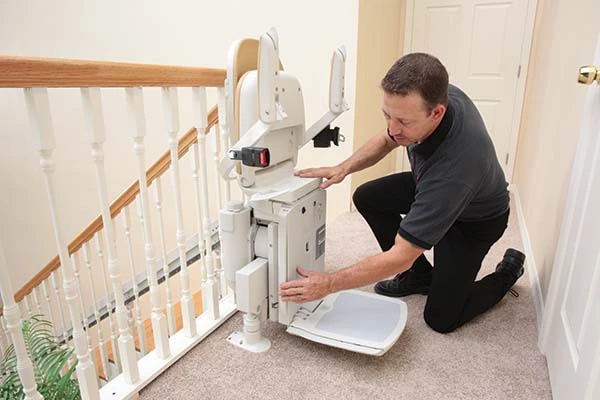
After you make a service call, the technician will come to your home to inspect the lift’s rail, motor, gearbox, drive system, braking mechanism, and more. Some of their tasks may include:
- Examine the rail and mounting brackets for signs of instability or deterioration.
- Running the lift to confirm it’s traveling smoothly and identify unusual sounds.
- Confirming the integrity of the wiring and charging system.
- Testing all safety sensors and limit switches.
- Lubricating all necessary components to the manufacturer’s specification.
- Inspecting the chair/platform and tightening or replacing any components as needed.
- Review the swivel seat and locking mechanism for proper rotation and safety.
- Providing a service record and flagging any parts that may need attention.
If you’re a senior who relies on your stair lift every day, annual servicing provides peace of mind. It reduces the risk of breakdowns and ensures the lift stays functional and safe for years to come.
What Does Annual Stair Lift Maintenance Cost?
Annual stair lift maintenance costs anywhere from $100 to $300 per visit, especially if you’re working with an independent provider. Some stair lift companies, such as 101 Mobility and Acorn Stairlifts, may cover annual maintenance costs free of charge, but many do not.
If you’ve considered selling or upgrading your lift in the future, investing in annual servicing also helps preserve the unit’s resale value. In that way, it’s a valuable investment.
Our Takeaway: Routine Maintenance Helps Keep Stair Lifts Safe and Reliable
Stair lifts are simple mobility solutions for seniors with compatible staircases, but to ensure they function safely and last as long as possible, regular maintenance is vital. Monthly tasks like cleaning and decluttering, battery checks, lubrication, and troubleshooting help keep your lift in good condition. However, you should never skip out on professional servicing at least once a year.
Frequently Asked Questions (FAQs) About Stair Lift Maintenance
You should have your stair lift professionally serviced at least once a year, though it’s always a good idea to contact a technician if you notice strange sounds, consistently loose components, or persistent battery issues.
Yes, different stair lift types have unique costs. Straight stair lifts have more standardized parts, making them cheaper to repair or replace than stair lifts with custom curved parts. You can also expect different costs depending on the lift’s specific brand and model.
Examples of stair lift companies that offer maintenance plans include Acorn Stairlifts (aftercare plans), Stannah (local technician support), and Arrow Lift (Basic/Plus plans). Every company is different, so ask the one you’re working with what they offer before you commit to a stair lift model.
No. Warranties generally don’t cover the cost of routine maintenance; they typically cover only defective parts and labor for stair lift repairs. However, your warranty may be voided if you don’t get regular maintenance.
The Simple DIY stair lift maintenance, such as dusting, clearing obstructions, checking batteries, tightening screws, and lubricating, can help extend your system’s lifespan. Be careful to leave sensitive electrical and mechanical work to professionals.
Stair lift maintenance usually only takes 30 minutes to just over an hour, though this timeframe can be extended if issues are found.
Help us improve our cost data! Email your latest stair lift quote to [email protected]. Rest assured, your personal details will remain completely confidential.