
Retirement Living takes an unbiased approach to our reviews. We may earn money when you click a partner link. Learn More
Apple Watch vs. Medical Alert Systems: Which Is Better?
Compare Apple Watch vs. medical alert systems for fall detection, costs, and emergency monitoring.


Updated:
At a glance:
- Apple Watch combines fall detection, Emergency SOS, health tracking, and communication features, but doesn’t include a dedicated 24/7 monitoring center.
- Medical alert systems focus on emergency assistance, with in-home and mobile options that connect users to a monitoring center, though fall detection may cost extra.
- The best choice depends on your budget, safety needs, and lifestyle, including whether you need professional monitoring, reliable cellular coverage, longer battery life, or accessibility features.
An Apple Watch offers fall detection and emergency calls, while a medical alert system can connect you to a 24/7 monitoring center. The right choice depends on your safety needs, budget, and lifestyle.
This guide compares Apple Watch vs. medical alert systems, including costs, fall detection, connectivity, and emergency response.
What Is an Apple Watch?
An Apple Watch is a wrist-worn smartwatch that lets users make calls, send messages, track activity and monitor certain health measurements. It also includes safety features such as Fall Detection and Emergency SOS, which can help contact emergency services after a hard fall or when the wearer requests help.
| Apple Watch model | Starting price (U.S.) | Safety features | Battery life (up to) |
|---|---|---|---|
| Apple Watch SE 3 | $249 | Fall Detection, Emergency SOS | 18 hours |
| Apple Watch Series 12 | $399 | Fall Detection, Emergency SOS, advanced health features | 24 hours |
| Apple Watch Ultra 4 | $799 | Fall Detection, Emergency SOS, satellite emergency SOS | 50 hours |
Apple states that the watch isn’t intended to diagnose or treat medical conditions. Its health features provide useful information but don’t replace professional medical care.
What Is a Medical Alert System?
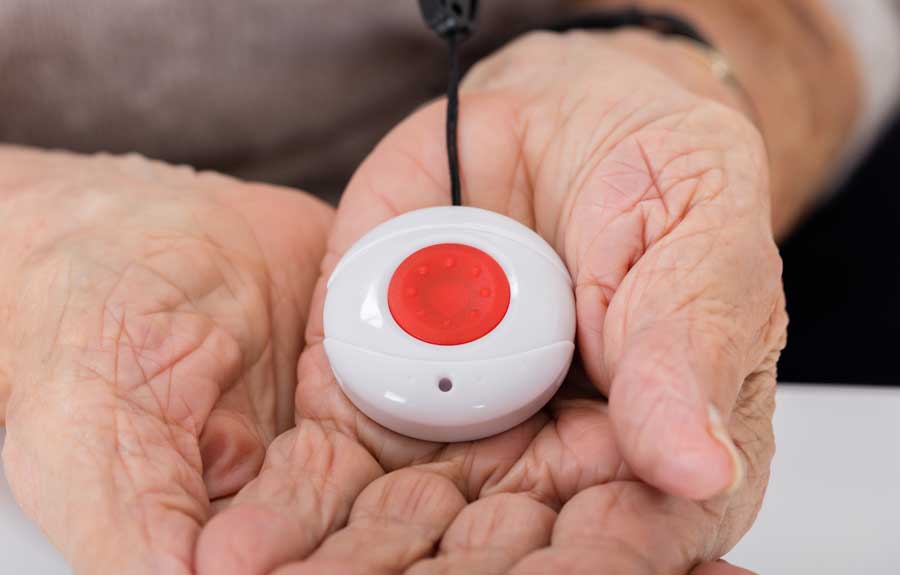
A medical alert system connects users to help during an emergency through a 24/7 monitoring center or emergency contacts. These systems come in several types. In-home systems use a base station connected through a landline or cellular network. Mobile systems work away from home and use cellular service to contact a monitoring center, with GPS helping responders locate the wearer.
Devices come in different styles, including pendants, wristbands, clip-on buttons, and medical alert watches. Many have a help button, while some offer automatic fall detection, two-way communication, and caregiver notifications.
| Medical alert company | Device options | Published monthly price | Useful details |
|---|---|---|---|
| MobileHelp | In-home, mobile | From $29.95 at home; $37.95 mobile | 24/7 monitoring; fall detection available. |
| Medical Guardian | In-home, mobile, smartwatch | From $34.95 | MGMove smartwatch; optional fall detection on select devices. |
| Bay Alarm Medical | In-home, mobile, smartwatch | From $27.95 | Mobile fall detection is available as an add-on; smartwatch plans are also offered. |
| Lifeline | In-home, mobile, smartwatch | From $34.95 | GPS-enabled mobile devices; fall detection costs extra. |
| Personal Living Alert | In-home, mobile, smartwatch | From $24.99 | Offers GPS-enabled mobile devices and smartwatches; pricing varies by plan. |
| Medical Care Alert | In-home, mobile, smartwatch | From $29.95 at home; $39.95 mobile or smartwatch | Smartwatch requires a one-time $149.95 device purchase; fall detection is available. |
To compare providers, costs, and features, explore our guide to the best medical alert systems.
Comparing the Functionality of Medical Alert and Apple Watch Models
Let’s take a look at how Apple Watches and medical alert systems compare in cost, features, and emergency response.
Upfront and Monthly Costs
- Apple Watch: The Apple Watch SE 3 starts at $249, the Series 12 at $399, and the Ultra 4 at $799. GPS models need a nearby iPhone for calls and messages. GPS + Cellular models cost more and may require a separate carrier plan.
- Medical alert systems: Most monitored systems cost about $20 to $60 per month. Fall detection typically adds $5 to $12 per month. Some providers also charge equipment or activation fees.
Compare first-year costs, including the device, 12 months of service, any cellular plan, and optional fall detection. Check contract terms, cancellation fees, and equipment return policies before signing up.
Healthcare Coverage
- Apple Watch: Original Medicare doesn’t cover an Apple Watch as a standard benefit. Most health insurance plans don’t cover smartwatch purchases.
- Medical Alert Systems: Original Medicare doesn’t cover standalone medical alert systems. Some Medicare Advantage plans, Medicaid programs, and veterans’ benefits may help cover the cost for eligible users, depending on the program.
Cellular Connectivity
- Apple Watch: GPS models need a nearby paired iPhone or a supported Wi-Fi connection for calls. GPS + Cellular models can make calls without an iPhone nearby, but require an active cellular plan and network coverage. GPS alone doesn’t provide a connection.
- Medical alert systems: In-home systems may connect through a landline or cellular service. Mobile systems use cellular networks to reach a monitoring center. Weak coverage can prevent either device from connecting, especially in rural areas.
Emergency Response Features
- Apple Watch: After detecting a hard fall, the watch alerts the wearer and starts a countdown if they appear immobile. If they don’t respond, it attempts to call emergency services. Medical ID can make selected health details available to responders, and the watch can notify emergency contacts.
- Medical alert systems: Pressing the help button connects the wearer to a monitoring center if professional monitoring is included. An agent can use subscriber records, such as medical details and emergency contacts, to help direct the response.
Apple Watch may miss a fall or trigger a false alarm during high-impact activity. Medical alert systems can also miss falls, depending on the device. Neither option guarantees a response, and emergency calls don’t automatically share a complete medical record. Monitoring agents can use only the information the provider has on file.
Battery Life and Reliability
- Apple Watch: Battery life depends on the model and how you use it. The Apple Watch SE 3 offers up to 18 hours of normal use, according to Apple, so most users need to charge it daily.
- Medical alert systems: Battery life varies by device. For example, Medical Guardian lists up to five days for its Mobile 2.0 and MGMini devices. In-home base stations may have backup batteries for power outages.
Bathroom safety also matters. Removing a watch or pendant to bathe or charge it can leave you without a way to call for help. Check each device’s water-resistance limits and whether the medical alert provider offers a separate bathroom alert option.
Mobile App Integration
- Apple Watch: Find My can share your location with chosen people when you set up location sharing. Emergency calls may also send your location to responders. These are separate functions, and caregivers can’t automatically track you unless you enable a supported sharing feature.
- Medical alert systems: Some providers offer caregiver apps that show device status or location. Mobile systems may send GPS information to the monitoring center during an alert. Features depend on the provider and plan.
Bottom Line: Which Device Is Better For Older Adults?
An Apple Watch may be a better fit for someone who wants a multipurpose device and feels comfortable navigating its screen. Accessibility features such as Siri, VoiceOver, and AssistiveTouch can help, though some users may need assistance with setup.
A medical alert system may suit someone who prefers a dedicated help button and professional monitoring. The best fit also depends on comfort: some people prefer a watch, while others find a pendant or clip-on easier to wear consistently.
Frequently Asked Questions (FAQs) About Apple Watches vs. Medical Alert Systems
Yes. If Apple Watch detects a hard fall and the wearer remains immobile and doesn’t respond to the countdown, it attempts to call emergency services.
GPS + Cellular models can make calls without a nearby iPhone when an active cellular plan and network coverage are available. An iPhone is still needed to set up and manage many watch features.
Yes. Most medical alert systems work independently of a smartphone. Mobile models use their own cellular connection to contact a monitoring center, while in-home systems may use a landline or cellular connection.
Help us improve our guide! Share your experience with an Apple Watch or medical alert system by emailing us at [email protected]. Your personal details will remain confidential.