
Retirement Living takes an unbiased approach to our reviews. We may earn money when you click a partner link. Learn More
Best Medical Alert Necklaces of 2026
We analyzed and selected the best medical alert necklaces based on speed, reliability, and peace of mind.


Updated:
Our top picks for the best medical alert pendants include Medical Guardian, LifeStation, ADT Medical Alert, Medical Care Alert, and the following companies. We consulted aging-in-place experts and compared device quality, fall detection capabilities, GPS tracking, emergency service connectivity, battery life, and customer service. Based on our findings, we recommend the following medical alert pendants.
4.7
Medical Guardian’s tagline, “Life Without Limits,” shows its mission. The company aims to help customers live independently. Medical Guardian provides five in-home or mobile systems. They also have a medical alert smartwatch and the MGMini wearable alert button.
- Great variety
- Call chain for caregivers
- Sleek, stylish wearable devices

4.8
LifeStation’s On The Go mobile medical alert system features fall detection, enhanced location technology and a low-battery reminder. Find My Loved One allows caregivers to locate the customer. LifeStation also offers landline and cellular systems for the home.
- Great Value
- No activation fee with most plans
- Caregivers can have access to mobile location
ADT’s Medical Alert and On-the-Go systems are in-home and portable medical alert systems that cost around $1 per day. Your bill will never increase unless you upgrade medical alert services with ADT’s ForeveRate™ guarantee.
- Great plans
- Home temperature monitoring
- Fixed-rate service
Medical Care Alert is a Michigan-based company. They provide personal medical alert systems and monitoring services. No matter where you are—at home, in the yard, running errands, or traveling—Medical Care Alert has a system to help you when you need it. The pendant and wristband emergency buttons are waterproof for continuous everyday use.
- Great fast response
- Certified responders
- No equipment charges

4.4
LifeFone offers many consumer-friendly benefits, like the Subscriber Price Guarantee. LifeFone has medical alert systems for home and on-the-go use. Cancel any time and only pay for the time you’ve used.
- Great for daily peace of mind
- Price lock-in guarantee
- Large range of discreet wearables
Bay Alarm Medical is a medical alert system that offers 24/7 monitoring and trained professionals to assist during urgent situations. Bay Alarm, the parent company, has been protecting its clients for almost 80 years.
- Great customer service
- Vial of Life included with purchase
- Free spouse monitoring

Life Alert is one of the most recognized names in the industry, famous for its “Help, I’ve fallen and I can’t get up!” campaign. The company offers dependable in-home and mobile systems. They are designed for quick emergency response. Life Alert has over 40 years of experience. It offers a solid lineup, though it’s more limited than newer competitors. Still, the company prides itself on keeping seniors safe with less reliance on smartphone apps and wearable tech.
- Long-standing reputation
- 24/7 emergency monitoring
- Three-step response system
4.8
MobileHelp offers the best technology to buyers, including automatic fall detection.
- Great Technology
- Only $19.95 Per Month
- No Longterm Contracts or Hidden Fee
Medical Alert Necklace Reviews
We tested and compared the best medical alert systems with pendants to help you narrow down your options and choose the right system for your needs. Our top picks stand out for having high-quality equipment and important features like fall detection and GPS tracking.
Medical Guardian Review
Great variety
|
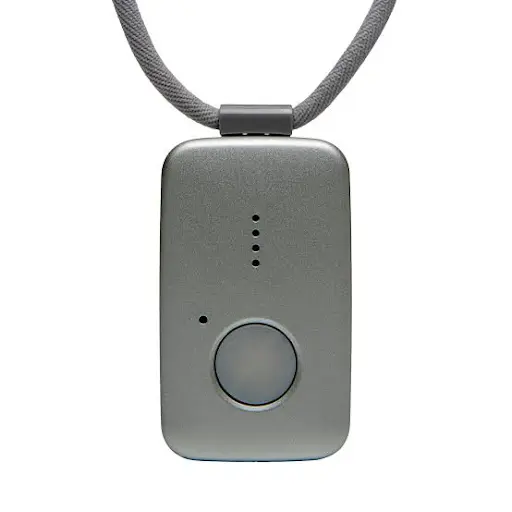
Medical Guardian pendant devices, called MGMini, offer wearable emergency assistance. You can wear it around your neck with an adjustable or non-adjustable lanyard, or clipped to a belt or purse. Based on our test, the medical alert system’s average response time was about 23 seconds.
MGMini is the first medical alert necklace to feature OmniSIM technology, which automatically connects to AT&T or Verizon. This dual-network capability gives dependable coverage.
In the event the wearer falls, they can press the large SOS button, which connects directly to a 24/7 U.S.-based monitoring center. The device’s built-in two-way communication system enables the wearer to communicate instantly with an operator.
The MGMini’s battery lasts up to 5 days on a single charge, and it takes about 4 hours to recharge using its compact charging cradle.
Its GPS location tracking automatically updates every hour, helping emergency responders or caregivers pinpoint the user’s position in real time. The device is also water-resistant, so it can be worn in the shower.
It supports automatic fall detection using a triaxial accelerometer that measures vibrations or motion in three axes (i.e., front-back, side-to-side, and up-down) to detect sudden movements.
The MGMini necklace’s sensors can detect changes in the “height of the pendant” and motion, which help the device distinguish between normal motion and falling.
Medical Guardian Necklace Pricing & Plans
Medical Guardian offers several subscription options tailored to different devices, ranging from in-home to mobile protection. The MGMini plan costs about $39.95, with a one-time equipment fee of $149.95.
If you pay annually, you can get a pricing discount on your plans.
You can also personalize your plans with add-ons such as automatic fall detection for an additional $10 monthly fee, extra help buttons for multiple rooms, or device protection plans.
If the MGMini feels too small to manage, Medical Guardian also sells the MGMini Lite as a slightly larger alternative, and the MGHome Cellular for anyone who wants a base-station system instead of a pendant.
Medical Guardian MGMini Pros & Cons
Pros
- Transparent pricing
- 24/7 monitoring
- Advanced fall detection technology
- Compact and lightweight
- Dual-network coverage
- Accurate GPS tracking
Cons
- Upfront equipment fees
- Installation fees
- Very expensive
Who Medical Guardian’s MGMini is Best For
The MGMini is best for active seniors who want true mobility. It’s also suited for people who frequently relocate, travel, or live in areas with variable coverage.
To learn more, read our full Medical Guardian review.
LifeStation Review
Great Value
|
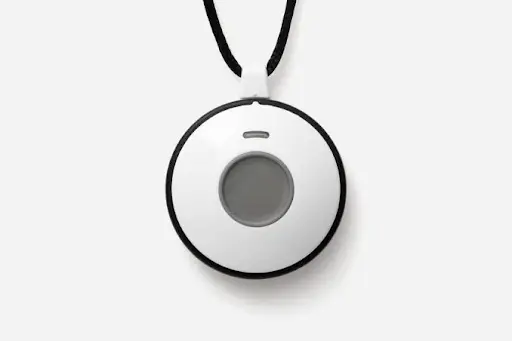
LifeStation Sidekick medical alert necklace for seniors provides direct access to emergency help at the press of a button. It is designed for both in-home and on-the-go use, combining mobility, reliability, and simplicity into a single pendant.
The Sidekick connects to LifeStation’s monitoring center via a nationwide 4G LTE network, eliminating the need for a base station. Users can speak directly with trained operators through the pendant’s built-in speaker and microphone.
During an emergency, the device uses GPS and Wi-Fi technology to accurately determine the user’s location, allowing responders to reach them quickly. It supports automated fall detection and contacts the monitoring center even if the button isn’t pressed.
The device’s battery lasts up to 5 days on a full charge, and it is also water-resistant. If you’re buying this for your loved one, you can also track their location or receive alerts via the LifeStation’s Caregiver app.
LifeStation Necklace Pricing & Plans
The LifeStation Mobile Sidekick Medical Alert necklace offers three subscription tiers based on different needs and levels of protection.
The Standard Plan costs $40.95 per month for basic mobile protection with 24/7 emergency monitoring. The Select Plan, priced at $48.95 per month, includes a Protection Plan that covers replacement if the device is lost or damaged. The Supreme Plan costs $56.95 per month for both the Protection Plan and Automatic Fall Detection. It includes maximum coverage for seniors who want extra peace of mind.
There’s also a one-time activation fee of $99.95 and a shipping fee of $12.50. You can also choose to add a lockbox for $2.95 per month.
LifeStation Sidekick Pros & Cons
Pros
- 24/7 U.S.-based professional monitoring
- Caregiver App with real-time updates
- Lightweight pendant
- No long-term contract required
Cons
- Single sign-up fee for mobile units
- Expensive pricing
Who LifeStation’s Sidekick is Best For
The LifeStation Sidekick is best for older adults who still enjoy daily activities, outings, or light exercise but want quick access to help when needed.
It’s also suited for seniors with chronic conditions or those at risk of falls who want discreet, wearable protection with 24/7 emergency monitoring.
To learn more, read our full LifeStation review.
ADT Medical Alert Review
Great plans
|
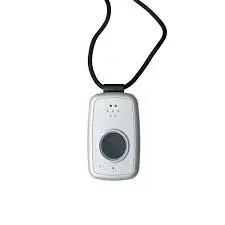
ADT Medical Alert offers a Neck Pendant with a large emergency button at the front, which works with both their Plus and On-The-Go medical alert systems.
The medical alert pendant is water-resistant, has GPS tracking, includes a microphone, but lacks a built-in speaker. It connects to the base unit or the mobile unit, which sends signals to the monitoring system.
The On-The-Go unit (the main mobile device that handles communication) has a rechargeable battery that lasts up to 40 hours on a single charge. The paired pendant supports a non-rechargeable, long-life battery that lasts up to 18 months.
When the pendant’s battery starts running low, ADT automatically contacts the user and sends a free replacement battery or pendant.
ADT Medical Alert Necklace Pricing & Plans
The ADT On-The-Go Medical Alert System (Neck Pendant Model) starts at $41.99 per month on a month-to-month plan, or around $37.99 per month with annual billing. The plan has a one-time activation fee of $99.99, but no separate equipment cost. Both the mobile device and waterproof necklace pendant are included with the subscription.
Optional automatic fall detection can be added for an additional $11 per month. Customers who choose quarterly or annual billing receive free shipping and a complimentary ADT lockbox.
ADT On-The-Go Pros & Cons
Pros
- Affordable pricing
- Free shipping and ADT lockbox
- Strong battery life
- Agents trained with senior-sensitivity support
Cons
- No two-way audio on the pendant
- Short mobile device battery life
- Activation fee required
Who ADT’s On-The-Go System is Best For
ADT’s necklace is best for seniors who want hands-off reliability with minimal charging or maintenance.
Its waterproof design also suits individuals who need protection in and around the home, especially in high-risk areas like bathrooms.
To learn more, read our full ADT Medical Alert review.
Medical Care Alert Review
Great fast response
|
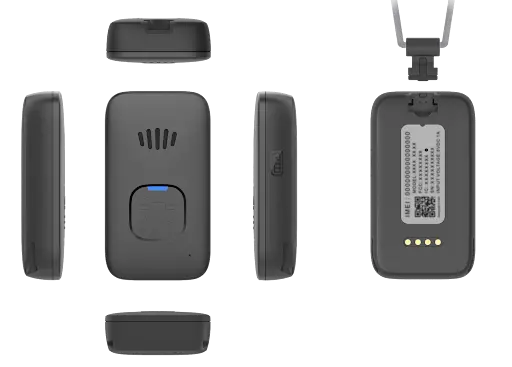
Medical Care Alert offers the HOME & AWAY FLEX GPS system, a lightweight, waterproof pendant for seniors. This necklace connects to a base unit with a range of up to 1,000 feet, one of the longest in the industry.
The pendant weighs 1.55 ounces and includes voice prompts that walk users through setup and battery alerts. If you or your loved one spends more time outside the home, the HOME & AWAY FLEX features a GPS-enabled pendant that works with cellular coverage.
Medical Care Alert HOME supports two-way voice communication, allowing users to speak directly with monitoring agents via the pendant. It also supports automatic fall detection as an optional upgrade.
Medical Care Alert Necklace Pricing & Plans
The medical alert necklace costs $39.95 per month as the base monitoring cost. You can choose between monthly, quarterly, semi-annual, or annual billing, and the annual option includes one free month.
If you opt to add automatic fall detection, it will add $10 per month to your rate. There are also lower-cost in-home plans starting at $29.95/month, which support pendants or wrist buttons for localized (in-home) monitoring.
HOME & AWAY MINI Pros & Cons
Pros
- EMT/EMD-certified operators
- No activation or equipment fees
- Long battery life
- Wide in-home range
- Automatic text notifications to caregivers
Cons
- Sensitive to motion or accidental triggers
- Lanyard detaches easily
Who the HOME & AWAY MINI GPS Medical Alert System is Best For
Medical Care Alert is best for seniors who spend most of their time at home but want peace of mind in case of falls or medical emergencies.
The HOME system’s 1,000-foot range from the base unit. This makes it ideal for independent seniors who want their loved ones to have peace of mind while they garden, do chores, or relax outdoors.
To learn more, read our full Medical Care Alert review.
LifeFone Review
Great for daily peace of mind
|
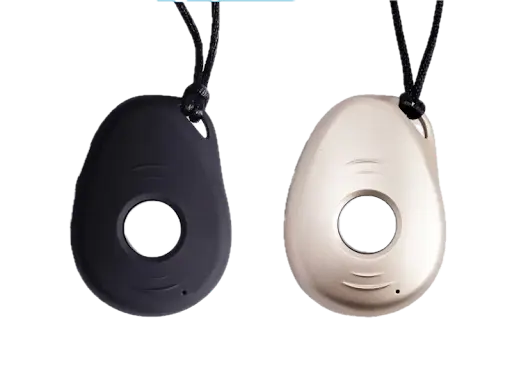
LifeFone offers two types of medical alert necklaces: At-Home & On-the-Go, VIP Active, and At-Home & On-the-Go, VIPx.
The VIP Active is a lightweight, water-resistant pendant that connects through AT&T’s 4G LTE network for reliable coverage. It features two-way voice communication, Wi-Fi, cellular location tracking, and a rechargeable battery that lasts up to 5 days per charge. The pendant can be worn around the neck or clipped on. It also supports optional fall detection for safety.
The VIPx offers a similar level of portability but with more advanced performance and technology. It uses GPS, Wi-Fi, and cellular tracking simultaneously to provide more precise location detection both indoors and outdoors. The battery lasts up to ten days.
The VIPx also integrates with LifeFone’s Caregiver Mobile App. This allows loved ones or caregivers to check real-time location, monitor activity, ring the device if it’s misplaced, and receive status alerts.
Lifefone Necklace Pricing & Plans
LifeFone offers flexible service plans for both medical alert necklaces. The devices provide 24/7 nationwide protection without activation or equipment fees.
The At-Home & On-the-Go, VIP Active plan starts at $37.95 per month when billed annually. The plan also features personalized emergency care instructions, text and email notifications, and optional caregiver location services.
You can also benefit from the Lifetime Subscriber Price & Equipment Guarantee, as well as the flexibility to cancel at any time. This way, you only pay for the time used.
The At-Home & On-the-Go, VIPx plan starts at $39.95 per month on the annual plan. You can also access the optional VIPx Caregiver Mobile App for $8 per month. This add-on lets caregivers track location, steps, first motion of the day, button presses, battery levels, and set virtual boundaries.
You will also need to pay an additional $5 per month to add the Automatic Fall Detection feature to the medical alert pendant.
Lifefone Necklace Pros & Cons
Pros
- No equipment or activation fees
- Free shipping and a free month with annual plans
Cons
- Some devices require periodic charging
Who Lifefone’s Necklaces are Best For
Lifefone is best for seniors who want a single wearable device that provides emergency assistance. If you’re a caregiver or family member, Lifefone medical alert pendant helps you track the wearer’s location and access mobile alert features.
According to online reviews, many users appreciate the timely response, but complain about the battery life.
To learn more, read our full LifeFone review.
Bay Alarm Medical Review
Great customer service
|
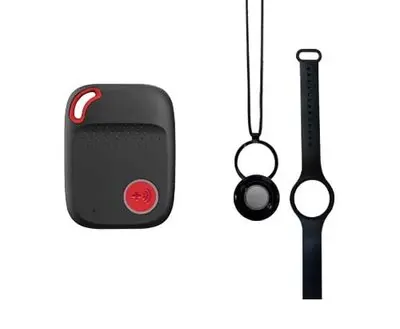
Bay Alarm Medical SOS All-In-One 2 is a compact, mobile medical alert system designed for both in-home and on-the-go protection. It includes three devices: a smartwatch, a pendant, and a hand-holding device. All of these devices have a large help button that allows wearers to easily contact operators during emergencies.
Bay Alarm’s medical alert device features GPS, WiFi, and cellular location tracking. It also supports 4G LTE cellular for fast connectivity, eliminating the need for a landline or phone service. The main unit is water-resistant, so the wearable necklace button remains usable even in wet environments, such as showers or outdoor rain.
The device can last up to 72 hours on a full charge and features automatic fall detection capability. It weighs only 1.9 oz, making it comfortable to wear around the neck.
The Bay Alarm Medical App is linked to the medical alert necklace, providing fall detection, real-time location tracking, and battery level information.
Bay Alarm also sells the SOS Micro as a smaller, wrist-worn option, and the SOS Home for seniors who only need in-home coverage if the All-In-One 2 has more devices than you need.
Bay Alarm Medical Necklace Pricing & Plans
Bay Alarm Medical SOS All-In-One 2 plan starts at $34.95 per month. It includes a lightweight, waterproof pendant that connects to the main mobile unit for both at-home and on-the-go protection.
The SOS All-In-One 2 with Fall Detection plan costs $44.95 per month. It enhances the system’s functionality by including automatic fall detection and an additional in-home wearable button, providing extended coverage. If you need maximum protection, the SOS All-In-One 2 with 360° Fall Detection plan costs $54.95 per month and provides comprehensive fall detection for both mobile and in-home use.
All necklace-inclusive plans feature 24/7 U.S.-based monitoring and GPS caregiver tracking. The plans also require a one-time equipment purchase fee, which varies by package.
Bay Alarm SOS All-In-One 2 Pros & Cons
Pros
- No activation fee or long-term contracts
- GPS location tracking
- Fast response time
- 15-day risk-free trial
Cons
- Equipment fees
- Warranty cost
Who Bay Alarm’s SOS All-In-One System is Best For
The Bay Alarm Medical SOS All-In-One 2 is best suited for active seniors and adults who want all three pieces of equipment: a necklace, a handheld mobile unit, and a smartwatch.
It’s best for active seniors who move between home and outdoor spaces and want reliable protection at all times. Caregivers also benefit from GPS tracking and fall detection, giving them peace of mind knowing their loved ones are always connected.
To learn more, read our full Bay Alarm Medical review.
Life Alert Review
Long-standing reputation
|
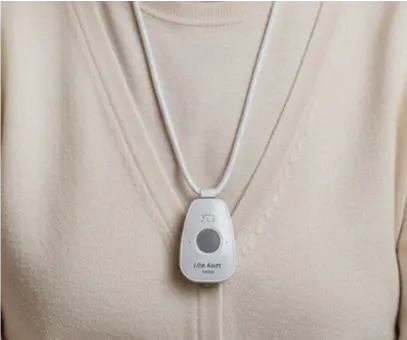
The Life Alert® medical alert necklace for falls is available in two versions: the Micro Voice Pendant for in-home use and the On-the-Go + GPS Pendant for mobile protection. Both devices connect users directly to Life Alert’s U.S.-based emergency dispatch center, providing 24/7 assistance at the press of a button.
The Micro Voice Pendant works with the Life Alert main unit. It offers two-way voice communication and a range of up to 1,000 feet, covering the entire home and yard. It’s 100% waterproof, making it safe to wear in the shower or bath. You also don’t need to recharge this device, so it’s always ready when needed.
The On-the-Go + GPS Pendant features built-in GPS tracking and nationwide AT&T cellular coverage, eliminating the need for a base unit. This allows seniors to stay protected while traveling, running errands, or spending time outdoors.
Life Alert Necklace Pricing & Plans
Life Alert necklaces offer customized pricing plans, tailored to your needs and device type. You can contact the team directly. The monthly service fee is around $49.95. This rate covers only Life Alert’s base in-home tier. The On-the-Go + GPS Pendant featured in this review can’t be purchased on its own; it must be bundled with the base system, which typically brings the real monthly cost closer to $69.95 or higher.
Life Alert Necklace Pros & Cons
Pros
- Wide in-house coverage
- Doesn’t require recharging for the Micro Voice Pendant
- No activation fees
Cons
- Undisclosed pricing plans
- Requires a multi-year contract
- On-the-Go + GPS Pendant can’t be bought as a standalone device
Who Life Alert Necklaces are Best For
Life Alert necklaces are best for seniors who live independently and want immediate access to help without needing to reach a phone.
It’s ideal for those who spend most of their time at home but want to wear a device that covers all rooms and the yard, thanks to its broad 1,000-foot in-home range. The in-house pendant is also durable, as it doesn’t require recharging. But you still need to recharge the On-the-Go + GPS Pendant.
To learn more, read our full Life Alert review. Or see the detailed comparison for Medical Guardian vs. Life Alert before you make the choice.
MobileHelp Review
Great Technology
|
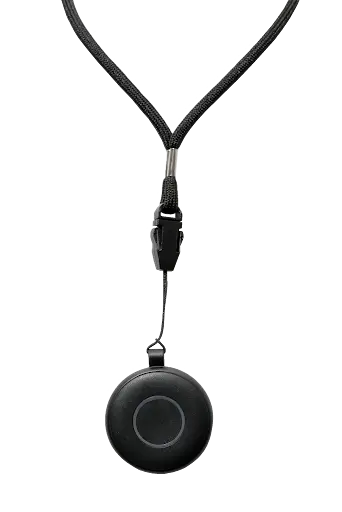
MobileHelp’s Elite is a compact, GPS-enabled mobile pendant built for seniors who split time between home and errands. It’s small enough to wear discreetly, at just 1.5 by 2.6 inches, and comes in black, silver, or white.
The Elite connects through cellular service with GPS and Wi-Fi location tracking, so no smartphone is required. It features a one-touch SOS button and built-in fall detection in the mobile unit, rather than a separate pendant.
MobileHelp doesn’t charge any upfront equipment fee on this device. That keeps the total cost of ownership lower than several competitors on this list.
MobileHelp Necklace Pricing & Plans
The MobileHelp Micro starts at $34.95 per month, with quarterly and annual billing bringing the rate down further. Fall detection is built into the device itself rather than sold as an add-on pendant.
MobileHelp charges no activation or equipment purchase fee across its lineup, which is rare in this category.
MobileHelp Elite Pros & Cons
Pros
- No equipment or activation fees
- Fall detection is built into the device
- Compact, lightweight design
- GPS and Wi-Fi location tracking
Cons
- Response times run slower than those of Bay Alarm Medical or Medical Guardian in testing
- The caregiver app has fewer features than competitors
Who MobileHelp’s Elite is Best For
MobileHelp’s Elite suits budget-conscious seniors who want mobile protection without upfront equipment costs. It’s also a solid fit for anyone who wants fall detection built into the device rather than a separate pendant.
To learn more, read our full MobileHelp review.
How to Choose the Right Medical Alert Necklace for the Elderly
Choosing the right medical alert system and pendant depends on you or your loved ones’ needs and budget. You may also see these devices referred to as a personal emergency response system (PERS), since that’s the industry term.
Here are some features you need to look for:
Monitoring Type
Decide whether you prefer at-home monitoring, on-the-go protection, or a combination of both. At-home systems are ideal for seniors who spend most of their time indoors, while mobile options use GPS and cellular networks to protect them wherever they go.
Connection Type
Check whether the necklace works over a landline, cellular, or Wi-Fi connection. Cellular models are best for homes without a landline and provide greater flexibility for travel and outdoor activities.
Fall Detection
Look for a pendant that offers automatic fall detection. This feature can automatically alert the monitoring center if a fall is detected, even when the user is unable to press the help button.
Battery Life
Choose a necklace with long battery life or one that never needs recharging, like some in-home pendants. For mobile systems, ensure the pendant lasts at least a few days on a single charge.
Waterproof Design
Make sure the necklace is waterproof or water-resistant, so it can be worn in the shower or bath, where many falls occur.
Two-Way Communication
Select a pendant with built-in two-way voice communication. This allows users to speak directly with emergency operators via the device itself, without a base unit or phone.
Range and Coverage
Check the operating range for in-home systems and cellular network coverage for mobile units. A wider range or strong coverage ensures help is accessible from anywhere.
GPS Tracking
If you or your loved one is active or tends to wander, opt for a system with GPS location tracking. It helps responders locate the wearer quickly in emergencies.
Comfort and Style
A medical alert necklace should be lightweight, comfortable, and discreet, like a medical ID necklace. Many modern designs resemble jewelry, helping users feel confident wearing them every day.
If a necklace still isn’t the right fit, most brands sell the same medical alert button as a wristband instead, and some offer medical alert watches for anyone who wants it to look less like medical equipment.
It’s also worth asking whether wall buttons are available for high-fall-risk rooms like the bathroom, since these work alongside a necklace rather than replacing it.
For a comparison on which style to get, read our Medical Alert Bracelets vs. Necklace article.
Costs
Compare medical alert system costs and pricing plans, including monthly monitoring fees, equipment costs, and contract terms. Look for companies with no long-term commitments and transparent pricing to fit your budget and lifestyle.
Great variety
Medical Guardian
- Call chain for caregivers
- Sleek, stylish wearable devices
Medical Alert Necklaces for Seniors with Alzheimer’s or Dementia
Wandering is one of the biggest safety risks for someone with Alzheimer’s or dementia, so location tracking matters more here than it does for most other users. A basic in-home pendant won’t help if your loved one walks out the door. Look for a mobile system with real-time GPS instead, so you can find them fast if they wander off.
A caregiver app makes this a lot easier to manage day to day. You can check their location from your phone, set up a safe zone around the house, and get an alert the moment they leave it.
One thing worth planning for: someone with dementia may take the device off, forget to charge it, or refuse to wear it altogether. A pendant with a long battery life and a comfortable, familiar feel makes it more likely to actually stay on them, which is really the whole point.
Medical Alert Necklace vs. Smartwatch
Some seniors wonder if an Apple Watch or other smartwatch can replace a dedicated medical alert necklace. A smartwatch can detect falls and place calls, but it depends on the wearer having a cellular plan and remembering to charge it daily.
Dedicated medical alert necklaces like Medical Guardian’s MGMove or Bay Alarm Medical’s SOS Smartwatch connect straight to a 24/7 monitoring center trained for emergencies, rather than to 911 dispatch alone. For seniors who want simplicity over smartwatch features like step tracking or weather updates, a necklace-style pendant is usually the easier daily habit to keep.
Medical Alert Necklaces FAQs
No, Medicare doesn’t cover medical alert systems such as necklaces, pendants, or personal emergency response systems (PERS).
However, some Medicare Advantage plans may cover the cost for a certain period. After that, you need to pay from your own pocket. For more information, refer to our comprehensive guide on Medicare coverage of medical alert systems.
Most standard health and private insurance plans don’t cover medical alert necklaces. Medicaid programs (based on state) and certain long-term care insurance policies may include reimbursement for medical alert systems as part of home-based care benefits.
Veterans may also have access to discounted or free systems through specific VA programs.
If you’re considering a medical alert necklace, you should contact your insurance provider or benefits administrator directly to inquire about your plan’s coverage. Or you can read our article on insurance coverage for medical alert systems.
Yes, many medical alert necklaces can be personalized. Some brands let you choose the wear style, color, or chain type. Others allow engraving with your name, medical conditions, or emergency contacts.
Yes, you can sleep with your medical alert necklace on, especially if it’s designed for 24/7 monitoring and fall detection.
Many seniors face falls, heart attacks, or breathing problems when they get up to use the bathroom or move around in the dark. Wearing the device makes sure help is available instantly.
If you feel uncomfortable about the lanyard around your neck, you can keep the device closer to you in case of an emergency.
The cost of a medical alert necklace depends on whether it’s an in-home pendant system or a mobile (GPS) pendant system, and the specific features included. These can cost between $20 and $50 per month.
Some brands may also charge a one-time equipment or activation fee of $0 to $200, depending on the plan and features you choose.
Final Thoughts on Medical Alert Necklaces
Medical alert necklaces offer style, comfort, and smart technology, giving you and your loved ones the freedom to live independently and safely.
You can also install medical alert systems in your home or your senior’s home to create a comprehensive safety network. Wall-mounted buttons, base stations, and motion-sensitive fall detectors can complement your necklace.
Many brands offer bundles that combine in-home and mobile devices, providing continuous protection wherever you go.
Ultimately, investing in a reliable medical alert necklace and system can help seniors stay connected and reassure their caregivers.