
Retirement Living takes an unbiased approach to our reviews. We may earn money when you click a partner link. Learn More
Does Medicaid Cover Stair Lifts?
Medicaid may cover stair lifts through certain programs, but eligibility and coverage vary by state.
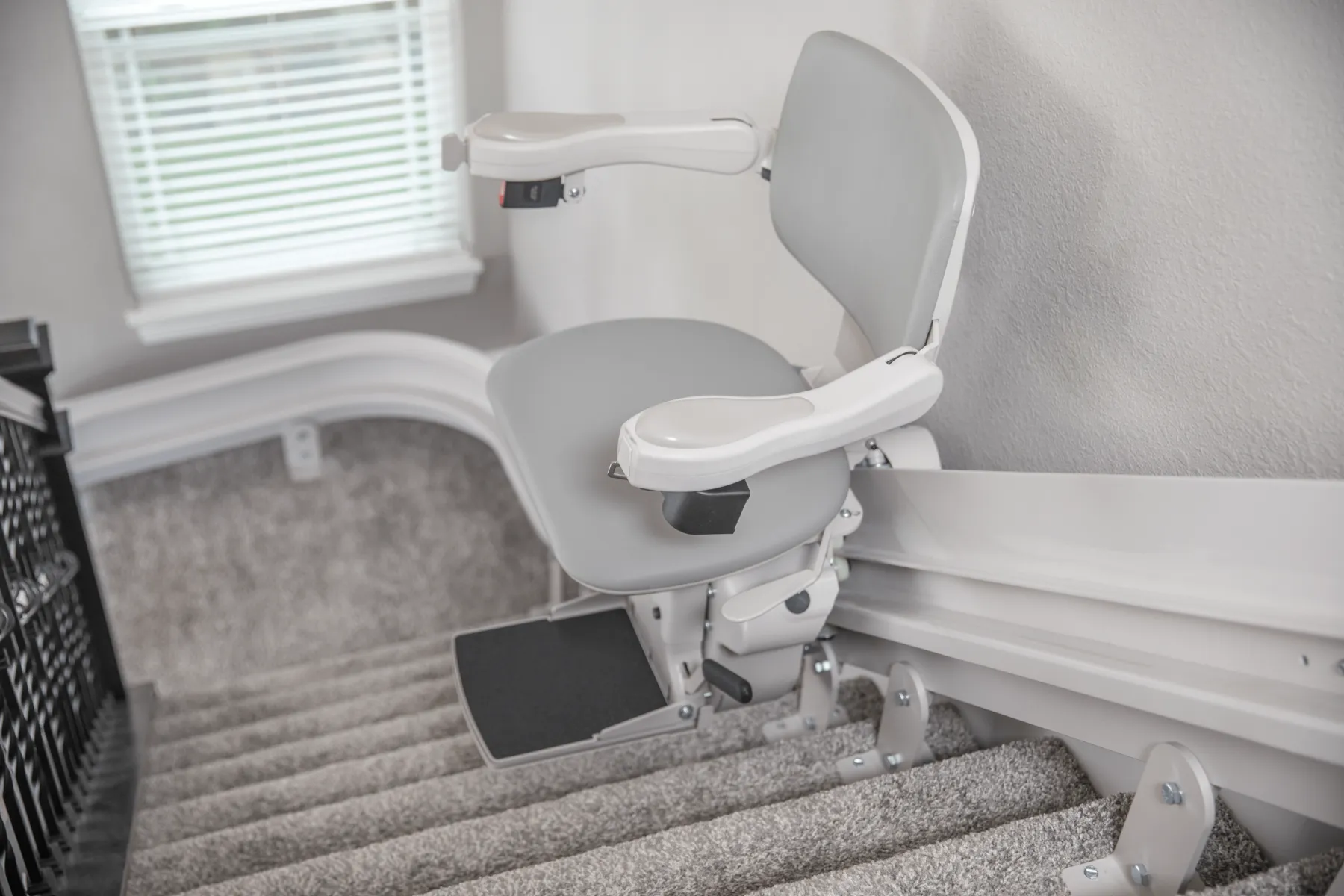


Updated:
AT A GLANCE:
- Medicaid may pay for a stair lift, but coverage depends on your state and Medicaid program.
- Medicaid waivers can cover stair lifts when their home modification benefits include the equipment.
- Eligibility for stair lift assistance may depend on your income, level of care and medical necessity.
Medicaid may cover stair lifts through certain state programs and HCBS waivers. Coverage depends on your state, eligibility, and medical necessity. This guide explains Medicaid stair lift coverage, waiver programs, eligibility requirements, and how to apply for assistance.
Will Medicaid Pay for a Stair Lift?
Medicaid coverage depends on your state, Medicaid program, and personal needs. Some programs may help pay for a stair lift when it supports safe living at home.
When Coverage Is Allowed
Medicaid may cover a stair lift when you have a documented need for help using the stairs. Your state must also offer a Medicaid benefit that covers the equipment or related home changes.
For example, you may have trouble climbing stairs because of a disability or mobility problem. A stair lift could help you move between floors without risking a fall.
When Coverage Is Denied
Medicaid may deny coverage if your state program does not cover stair lifts. You may also be denied if you do not meet the program’s eligibility or medical necessity requirements.
Your Medicaid coverage alone does not guarantee payment for a stair lift. The program may also require approval before you pay for the stair lift or arrange installation.
What Stairlift Costs May Be Covered
Medicaid may cover the stair lift, installation, or both, depending on your state and program. Some programs may also limit how much they will pay.
Ask your Medicaid office what costs it covers before buying a stair lift. If the program requires prior approval, buying the lift first could leave you responsible for the full cost.
Medicaid Waivers That Cover Stair Lifts
Medicaid waivers let states provide services to people who need long-term care at home or in their communities. Section 1915(c) allows states to offer Home and Community-Based Services (HCBS) waivers for specific groups. These programs can include home modifications and assistive technology that help eligible people avoid or delay institutional care.
For example:
- Illinois HCBS Waivers: Illinois includes stair lifts as a home accessibility modification. The state requires these modifications to address a participant’s health, safety, or independence needs.
- Missouri Independent Living Waiver: Missouri’s 1915(c) Independent Living Waiver includes environmental accessibility adaptations for eligible people with disabilities. These adaptations can support people who need home changes.
- Other state waivers: Other states may offer similar home modification benefits through HCBS waiver programs. Coverage varies, so check your state’s Medicaid program before assuming a stair lift qualifies.
Medicaid Eligibility for Stair Lift Assistance
To receive Medicaid help with a stair lift, you generally must meet your state’s Medicaid and program requirements. The exact rules depend on your eligibility group and the program that provides the benefit.
You may need to meet these requirements:
- Financial eligibility: Medicaid uses different financial rules for different eligibility groups. Being low-income may help you qualify, but income and resource limits vary by state and program.
- Level of care: Many 1915(c) HCBS waivers require you to need the level of care provided in an institutional setting. This can include nursing facility care or other qualifying institutional services.
- Medical necessity: You may need documentation showing why you need a stair lift. Your provider may need to explain how your mobility or functional limitations make the equipment necessary.
- Assessments and documentation: Your state may require a functional assessment, home evaluation or other records before approving the modification. The waiver must also include the services you need under your individualized care plan.
Meeting Medicaid’s general eligibility rules does not guarantee stair lift coverage. Your state must also offer a program that covers the modification, and you must meet that program’s requirements.
How to Apply for Stair Lift Coverage
The application process varies by state and Medicaid program. These steps can help you find the right program and request stair lift coverage.
- Contact your state Medicaid office: Ask whether Medicaid covers stair lifts through an HCBS waiver or home modification benefit. Ask which agency handles applications for that program.
- Check your waiver eligibility: Confirm that you qualify for the Medicaid program and waiver that offers the benefit. Ask about income rules, level-of-care requirements, and other eligibility criteria.
- Get medical documentation: Ask your doctor or occupational therapist to document your mobility limitations and need for a stair lift. Your records should explain how the equipment would help you move safely at home.
- Complete required assessments: Your state may require a level-of-care assessment or home evaluation. An assessor may review your mobility needs and determine whether a stair lift fits your care plan.
- Submit the coverage request: Complete the required forms and provide your medical records, assessment results, and other documents. Your caseworker or waiver agency can explain where to submit them.
- Wait for prior authorization: Some Medicaid programs require approval before you purchase or install the stair lift. Don’t pay for the equipment until you know whether your program requires prior authorization.
- Choose an approved provider: If Medicaid approves the stair lift, ask whether you must use an approved vendor. The program may have rules for equipment, installation, and payment.
- Schedule installation: After approval and provider selection, arrange the installation through the approved process. Keep your approval notice and other records for your files.
What If Medicaid Doesn’t Cover Your Stair Lift?
If Medicaid does not cover your stair lift, you may qualify for grants or other financial assistance through these options:
- Area Agencies on Aging: Your local Area Agency on Aging (AAA) may know about home modification programs, local assistance, or other resources for older adults.
- VA benefits: Veterans may qualify for certain home modification benefits through the U.S. Department of Veterans Affairs. Eligibility and covered modifications depend on the specific VA program.
- Private health insurance: Some private health insurance plans may cover home modifications or mobility equipment. Review your policy or contact your insurer to see whether your plan includes stair lift coverage.
- Financing options: Some stair lift companies offer financing or payment plans. Compare the total cost, interest rate and repayment terms before choosing the stair lift.
- Used stair lifts: A used stair lift may cost less than a new one. Ask about the lift’s condition, warranty, compatibility with your staircase, and installation costs.
- Other home modification assistance: State and local programs may offer help with accessibility improvements. Ask your Medicaid office, Department of Social Services agency, or local aging agency about available programs.
- Tax considerations: You may be able to get tax deductions on certain medical expenses related to home modifications if you meet IRS requirements. Ask a tax professional whether your stair lift expenses qualify.
If you need to pay for a stair lift yourself, compare leading providers, features, and pricing in our guide to the best stair lift companies.
Does Medicare Cover Stair Lifts?
Original Medicare does not list stair lifts as covered durable medical equipment. Medicare Part B covers certain medically necessary DME, including walkers, wheelchairs, and hospital beds.
Medicare Advantage plans, also called Part C, must cover the services Original Medicare covers, but some plans offer additional benefits. Check your specific plan to see whether it offers any benefit that could help with a stair lift.
Frequently Asked Questions (FAQs) About If Medicaid Covers Stair Lifts
No, Ohio Medicaid does not specifically list stair lifts as a covered home modification. However, some Ohio Medicaid waiver programs cover home modifications that meet an individual’s assessed health, safety, or independence needs.
Yes, New York Medicaid can cover stair lifts through certain home modification programs. The modification must meet program requirements and address a person’s health, safety, or independence needs.
You may qualify for a free stair lift if you receive Medicaid and qualify for a program that covers the equipment. You generally need to show a qualifying disability or mobility need, meet the program’s level-of-care requirements, and receive approval before installation.
Seniors can move their bedroom and essential activities to the main floor to avoid using the stairs. Other options include a stair-climbing device, mobility devices, wheelchair lift, or home remodeling that improves access between floors.
Help us improve our guides! If you’ve recently installed a stair lift or have insights on how yours works, we’d love to hear from you. Share your experience with us at [email protected]. Your personal details will stay completely confidential.