
Retirement Living takes an unbiased approach to our reviews. We may earn money when you click a partner link. Learn More
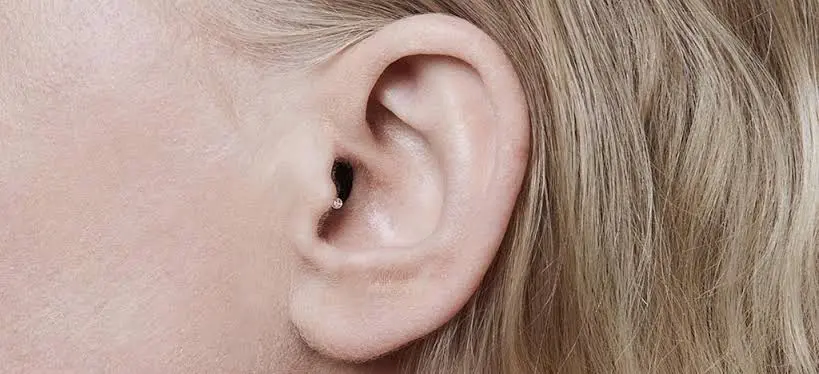
Best Hearing Aids for Small Ear Canals of 2026
We researched and identified comfortable, well-sealed hearing aids built for small ear canals.


Updated:
Small or narrow ear canals can make finding a hearing aid that seals, sits, and stays comfortable a real challenge. We did the heavy lifting for you: we researched 32 hearing aid brands and spoke with audiology experts to identify the three best hearing aid providers for small ear canals.
Signia offers premium prescription hearing aids sold in over 100 countries for active people. They have a range of products for hearing loss ranging from mild to profound, including a line for those living an active lifestyle.
- Great Mobile Apps
- Tinnitus solutions
- Large selection of models to choose from

Starkey is a U.S. manufacturer. The devices blend advanced AI sound processing with health and wellness tracking features. Its current lineup features different styles for customization and comes with the My Starkey app for adjusting the hearing aids.
- Great variety available
- Health and wellness tracking features
- Large, well-known hearing aid manufacturer

4.4
Oticon is a tech leader. Its high-quality products are pricey but seen as top-notch.
- Innovative Products
- Various styles of hearing aids
- Mobile application
How We Chose the Best Hearing Aids for Small Ear Canals
The Retirement Living research team evaluated 32 well-known hearing aid brands in our article Best Hearing Aid Companies. That article covered cost, features, reputation, and more, and narrowed our choices down to 15 brands. In this article, we build on that research and identify the providers offering the best options for those with small ear canals out of the already vetted 15 brands.
To identify the best hearing aids for small ear canals, we evaluated each brand’s custom-fit CIC, IIC, and ITC styles with multiple dome, click-sleeve, and receiver options—the features that matter most for narrow or irregularly shaped ear canals. We verified every brand claim directly against manufacturer websites and prioritized companies with strong feedback cancellation and style flexibility beyond just the smallest in-canal shell.
Below are our results for the best hearing aid companies that manufacture styles suited to small ear canals, along with the highlighted features and factors that matter most for a comfortable, secure fit.
Compare the Best Hearing Aids for Small Ear Canals
Here’s how our three picks stack up on the features that matter most for small ear canals:
| Brand | Types | Custom Molded Fit | Size Options | Feedback Cancellation |
|---|---|---|---|---|
| Signia | IIC, CIC, ITC/HS, ITE, RIC | Yes | Yes, determined during hearing aid fitting | Yes |
| Starkey | IIC, CIC, ITC, ITE, RIC, BTE | Yes | Yes, determined during hearing aid fitting | Yes |
| Oticon | IIC, CIC, ITC, ITE, RIC | Yes | Yes, determined during hearing aid fitting | Yes |
Hearing Aids for Small Ear Canals Reviews
Signia Hearing Aids Review
Great Mobile Apps
|
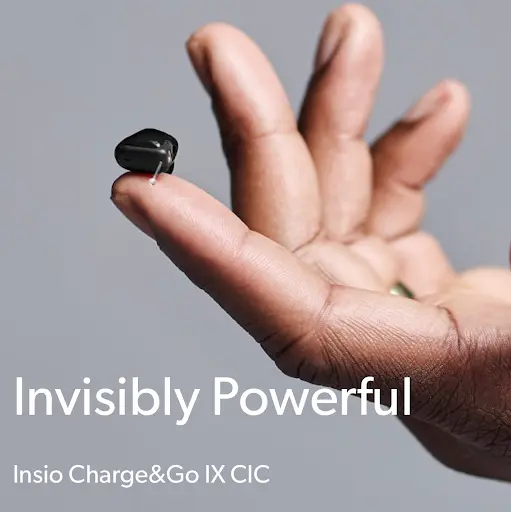
Signia offers a custom line, Insio, in four styles — IIC, CIC, ITC/HS, and ITE. This gives you room to size up slightly if a full IIC or CIC doesn’t seal comfortably in an irregularly shaped canal.
The Insio Charge&Go IX CIC stands out as the first completely-in-the-canal hearing aid with rechargeable batteries, so small-canal wearers don’t have to trade discretion for rechargeable convenience.
Signia works well for those with small ear canals who experience whistling. Its feedback cancellation is highly rated and combats the whistle, while its sound processing synchronizes cancellation between both ears for a smoother, more natural sound — even in a tighter fit.
Signia sells hearing aids through hearing care professionals rather than over the counter, so cost, warranty, and trial length depend on your provider.
For more information, read our full Signia review.
Starkey Hearing Aids Review
Great variety available
|
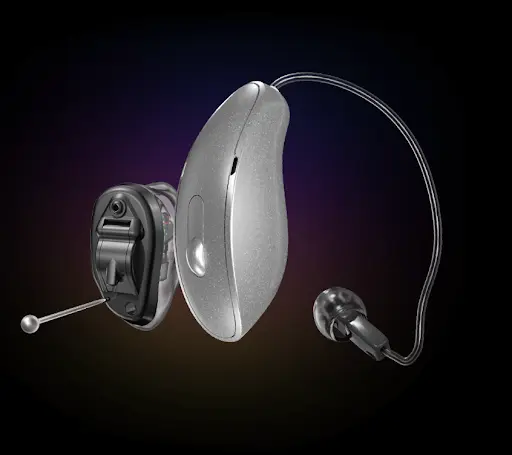
Starkey makes six hearing aid styles that use its Genesis AI platform, which extends the company’s AI sound processing, making more than 80 million adjustments per hour. This sound processing even works in its smallest custom shells.
The Genesis AI IIC sits in the second bend of the ear canal, making it a discreet and small custom style, while the Genesis AI CIC is another option for canals that need a little more room. Both styles are custom-molded to your ear anatomy and available in five to six shade options to match skin tone.
Starkey is a U.S. manufacturer with one of the largest provider networks in the industry, making it easy to find a local fitting. Exact pricing, trial length, and warranty coverage are dependent on the specific provider you choose.
For more information, read our full Starkey review.
Oticon Review
Innovative Products
|
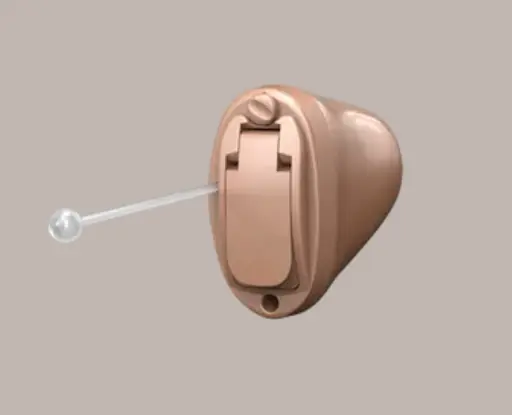
Oticon’s Own family includes five custom in-ear styles ranging from the barely-there IIC to a more feature-rich ITC — so you’re not locked into a single shell size if your canal shape doesn’t cooperate with the smallest option.
The Own Invisible-in-the-Canal (IIC) model sits deep in the canal for an invisible fit. Instead of off-the-shelf domes, Oticon builds the shell from a custom ear impression your hearing care provider takes — matching the exact shape of your canal rather than fitting a preset size. That custom-molded process is part of why the IIC can sit so deep and securely, even in a narrow canal.
Because Oticon works exclusively through licensed providers, you’ll get a custom fitting experience; however, pricing, trial length, and warranty will depend on the provider you choose.
For more information, read our full Oticon review.
Understanding Small Ear Canals (and How to Tell if You Have Them)
Digital hearing aids amplify and improve sound quality. However, hearing aids are not one-size-fits-all. Ear canal size varies naturally from person to person. Some people naturally have narrower canals than others — there’s no single cause. Canal diameter typically ranges from about 4mm to 10mm, and women tend to have smaller ear canals than men.
Small or narrow ear canals can also result from a condition called ear canal stenosis. This is either something you’re born with or, in some cases, it develops later in life. Adult-onset stenosis is often linked to repeated ear infections, injury, or a cholesteatoma — a non-cancerous skin growth behind the eardrum that can narrow the canal as it grows. Aging, chronic swelling, and earwax buildup can also make your ear canal feel smaller over time, even when the underlying anatomy hasn’t changed.
Not sure if your ear canals are on the smaller side? A few signs to watch for include:
- Earbuds or in-ear headphones feel uncomfortably tight, while over-ear headphones don’t
- You have a history of frequent earwax blockages or impacted wax.
- A previous hearing aid, earplug, or custom mold never seemed to sit right, no matter the size you tried.
- An audiologist or ENT has mentioned narrow canals during an exam.
If you notice pain, drainage, or a sudden change in hearing, see an ENT before pursuing hearing aids — those symptoms may need treatment first. Otherwise, a hearing care provider can measure your canal during a routine exam and recommend styles accordingly.
Types of Hearing Aids for Small Ear Canals
While it’s tempting to assume the smallest hearing aid designs are automatically the best fit for a small ear canal, that’s not always true. There are several types of hearing aids that work well for those with smaller ear canals, including:
- Completely-in-canal (CIC): sits almost entirely within the ear canal, offering a custom-molded, discreet hearing aid for those with mild to moderate hearing loss.
- Invisible-in-canal (IIC): sits even deeper in the canal, making it the most discreet style available and a great match for smaller, well-shaped canals.
- Receiver-in-canal (RIC): keeps the bulk of the device behind the ear, so only a slim wire and a small receiver sit in the canal. This receiver can often be swapped out for a different size, giving your hearing care provider more room to fine-tune the fit.
- Behind-the-ear hearing aids (BTE): rest entirely behind the ear and connect to a custom ear mold, making them a comfortable option when a very narrow or irregularly shaped canal requires greater fitting flexibility.
While the above types are often the best options, other types might also work. The right call depends on your specific ear anatomy, hearing loss, and lifestyle. This is one area where a hands-on fitting with an audiologist matters more than shopping by the type or style name. This is also why prescription hearing aids work better than over-the-counter (OTC) hearing aids for those with small ear canals.
What to Look For in the Best Hearing Aids for Small Ear Canals
When choosing the best hearing aids for small ear canals, consider not only the type of hearing aid but also the features designed for them. The following are the features that make the biggest difference in comfort and performance for narrow ear canals:
- Multiple sizing options: This is the single biggest factor for narrow canals. Without size options, a device either won’t seal properly or will press painfully against canal walls.
- Multiple receiver sizes: Smaller receivers sit without added pressure, and the ability to switch sizes matters since the first one a provider tries often isn’t the right fit.
- Advanced feedback cancellation: People with small ear canals often have whistling feedback with hearing aids. This is because achieving a full seal is difficult. Built-in advanced cancellation helps with this.
- Style flexibility: Since hearing aids aren’t one-size-fits-all, a brand with different styles or a custom-mold option gives those with narrow or irregularly shaped canals more options to achieve the best fit.
- Adjustable venting: Sealed small canals amplify the “boomy,” hollow own-voice sensation more than average-sized canals do, so vented domes or programmable venting matter.
How to Get the Best Fit With Hearing Aids for Small Ear Canals
Once you’ve found the right style and brand, a few habits make the difference between a hearing aid that’s comfortable all day and one that needs constant adjusting. Here’s how to get the best hearing aid fit with small ear canals.
Prevent and Address Feedback
Feedback whistling occurs when amplified sound leaks from the canal and back into the hearing aid’s microphone. Because achieving a full seal is harder in a small canal, this is more common. Confirm that your provider uses the strongest feedback cancellation setting available, double-check that you’re using the correctly sized dome or mold, and clean your receiver regularly — even small amounts of earwax buildup can trigger feedback.
Manage Insertion and Removal
Getting a hearing aid into a small canal is about technique and not force. Gently pull your ear upward and backward to straighten the canal before inserting, and stop at the first sign of resistance. Pushing further can be uncomfortable or even cause damage. For removal, gently wiggle the device rather than pulling it straight out, and always pull on the wire or the removal handle, never the dome itself.
Dome and Mold Maintenance
Domes and molds lose their seal over time, especially in small canals where they’re stretched. Replace the domes on the schedule your provider recommends (often monthly), and watch for signs that it’s time sooner, such as whistling sounds, muffled sounds, or a dome that suddenly feels loose.
Addressing Occlusion Effect
If your own voice sounds hollow or boomy, you’re likely experiencing the occlusion effect. It’s more noticeable in small, fully sealed canals. Ask your provider about switching to a more open or vented dome and try adjusting electronic venting in the programming software. If the problem continues, try a smaller CIC or IIC style, which creates less occlusion than a larger receiver.
Costs of Hearing Aids for Small Ear Canals
The cost of hearing aids ranges from $1,000 to over $12,000, with OTC hearing aids on the lower end and prescription hearing aids on the higher end. Hearing aids for those with small ear canals are prescription devices and fall at the higher end of the cost spectrum.
Frequently Asked Questions (FAQs) about Hearing Aids for Small Ear Canals
Yes. Modern hearing aids come in a range of styles and custom-molded options, making them well-suited to narrow ear canals. We recommend that you work with a hearing care provider who can match the style and fit to your specific anatomy.
The best hearing aid style for small ear canals is the one that works best for your individual canal shape and hearing loss. CIC and IIC styles offer a discreet fit, while RIC and BTE styles with a custom mold offer more fitting flexibility for narrower or irregularly shaped canals.
Properly fitted hearing aids shouldn’t hurt, regardless of canal size. If you’re experiencing discomfort, contact your hearing care provider rather than trying to push through it — it usually means an adjustment is needed.
It’s recommended that you replace your hearing aid domes monthly, but do so sooner if you notice new whistling, muffled sound, or a dome that suddenly feels loose.
Concluding Thoughts on Hearing Aids for Small Ear Canals
Bottom Line: Small ear canals don’t limit your hearing aid options — they just require a more deliberate fit.
The smallest hearing aid isn’t always the most comfortable one. Whether you pick a CIC, IIC, or a RIC with a custom mold, the details that matter most are dome and receiver flexibility, advanced feedback cancellation, and a provider willing to fine-tune the fit until it’s right. Oticon, Signia, and Starkey each offer custom canal styles with the receiver, dome, and venting flexibility that narrow ear canals need.
We recommend that you talk to a hearing care provider about a proper fitting, and don’t settle for a device that pinches, whistles, or never quite feels secure.