
Retirement Living takes an unbiased approach to our reviews. We may earn money when you click a partner link. Learn More
How Much Does A Walk-In Tub Shower Combo Cost?
Learn about walk-in tub shower combo prices, installation costs, features, and ways to save.


Updated:
At a glance:
- A walk-in tub shower combo costs approximately $6,500 to $16,000 installed, depending on the unit, features, and bathroom modifications.
- Tub size, door design, shower fixtures, optional upgrades, and installation requirements all affect the final price.
- Comparing itemized contractor quotes and exploring financing, discounts, and eligible assistance programs can help reduce the overall cost.
A walk-in tub shower combo costs $2,500 to $6,000 for the unit, with installation adding another $4,000 to $10,000. The cost of a walk-in tub with installation depends on the tub, shower components, plumbing, and bathroom modifications. This guide explains what the combo includes, what affects installation costs, and how to compare contractor quotes.
Average Cost of Walk-In Tub Shower Combo
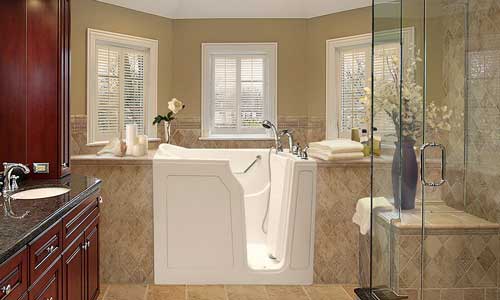
A walk-in tub shower combo includes a bathtub with a built-in seat, an entry door, and shower fixtures. Some models include an overhead showerhead, handheld wand, and wall surround. Others charge extra for these components, so check what the quoted price covers.
Walk-In Tub Shower Combo Price Breakdown
A walk-in tub shower combo costs $2,500 to $6,000 for the unit alone. Installation adds another $4,000 to $10,000, bringing the estimated total to $6,500 to $16,000. These are broad planning estimates. Actual prices vary by project scope, contractor, and location.
| Project type | What affects the cost |
|---|---|
| Basic replacement | Replacing an existing tub with minimal plumbing changes |
| Upgraded combo | Adding hydrotherapy jets, extra shower fixtures, or a custom surround |
| Major bathroom modifications | Relocating plumbing, electrical work, wall repairs, or floor reinforcement |
Material, Size, and Bathroom Fit
Tub material affects the unit price, durability, and maintenance needs. Fiberglass models generally cost less than acrylic models, while some composite and bariatric walk-in bathtubs cost more. Compare material options and check what each manufacturer’s price includes.
Many walk-in tubs measure about 60 inches long and 30 inches wide, but dimensions vary by model. Measure your bathroom before choosing a tub. Check the available space for the door to open and make sure the unit fits through the bathroom entrance.
Factors That Affect the Total Cost of a Walk-In Tub Shower Combo
Your total cost depends on the tub design, optional features, shower components, and installation requirements.
Type of Tub and Size
A basic soaking tub generally costs less than models with hydrotherapy systems or jetted tubs. These upgrades add components and may require additional plumbing.
Door design also affects bathroom fit. Inward-swinging doors need clearance inside the tub, while outward-swinging doors need space outside it. Bariatric models generally cost more because they use larger tubs and may require reinforced construction.
Larger tubs hold more water and may require a water heater upgrade. If you use a wheelchair, consider whether you can transfer safely into the tub. A roll-in shower or walk-in shower may be more suitable if you can’t transfer. Other accessibility features, such as grab bars and shower chairs, can also make bathing safer.
Features and Upgrades
Optional features increase the tub price. Common upgrades include:
- Heated seats and backrests: Help keep you warm while bathing. Some models include a heated backrest for added comfort.
- Hydrotherapy jets: Create water movement for a massage experience.
- Air jets: Release bubbles into the water.
- Aromatherapy: Adds fragrance through a built-in dispenser.
- Self-cleaning systems: Help clean the tub’s internal water lines and reduce maintenance.
Shower fixtures also affect the price. Some models include fixed showerheads and a hand shower, while others charge extra. Water-containment options include shower curtains, swiveling screens, and glass enclosures. Custom tile or stone surrounds can add material and installation costs.
Installation Costs and Labor
Professional installation may involve removing the existing bathtub, rerouting pipes, installing electrical connections, and repairing walls or floors. Larger tubs may also need an assessment of the floor’s structural support. Plumbing or electrical changes may require permits, depending on local building codes.
If the project includes a separate shower area, the shower pan and waterproofing requirements can also affect material and labor costs.
What Should an Installation Quote Include?
Before accepting a quote, check whether it covers the full installation or only basic labor. Ask for an itemized breakdown covering:
- Tub and shower components: The tub, showerheads, wall surround, and enclosure.
- Removal and disposal: Taking out and disposing of your existing bathtub.
- Plumbing and electrical work: Connecting the new unit and installing any required upgrades.
- Bathroom repairs: Fixing walls, floors, or other areas affected by installation.
- Permits and cleanup: Any required permits and removal of construction debris.
Compare at least three quotes with the same project requirements. A lower estimate may exclude work that another contractor includes. Checking these details helps you understand the full cost of the walk-in shower before installation begins.
Brand and Warranty
Safe Step, Kohler, and American Standard offer walk-in bath and shower options. Compare their prices, included fixtures, and warranty coverage before choosing a model.
Check whether warranties cover the tub shell, door seals, pumps, jets, fixtures, and installation labor. Some brands require installation by approved contractors. Review exclusions and coverage periods before purchasing.
Visit our best walk-in tubs guide to compare brands and available features.
How to Save on Walk-In Tub Shower Combo Costs
Compare quotes from at least three installers before choosing a contractor. Check what each estimate includes, and ask about seasonal discounts, rebates, and financing plans. Choosing a standard model instead of one with premium features can lower the purchase price. Keeping your existing plumbing and bathroom layout can also reduce modification costs. If you consider financing, compare interest rates, repayment periods, and the total amount you’ll pay.
Medicare generally doesn’t cover walk-in tubs. However, Medicaid and some state programs may help eligible people with disabilities or medical needs. Contact your local agency to check available assistance before purchasing.
You may qualify for tax deductions or accessibility grants in certain circumstances. Eligibility depends on your situation and the type of improvement. Some manufacturers may also offer discounts for veterans or seniors. Before installation, clear the work area and confirm whether the contractor’s quote includes removing and disposing of your old tub.
Help us improve our guides! If you recently purchased or installed a walk-in tub shower combo or have tips on saving during a bathroom remodel, we’d love to hear from you. Share your experience at [email protected]. Your personal details will stay completely confidential.