
Retirement Living takes an unbiased approach to our reviews. We may earn money when you click a partner link. Learn More
Pros and Cons of a Walk-In Tub
Find out the key pros and cons of walk-in tubs, from safety and comfort to costs and resale value, so you can decide if one fits your needs.


Updated:
AT A GLANCE:
- Walk-in tubs improve safety and accessibility with low thresholds, grab bars, and built-in seating that reduce the risk of falls.
- Comfort features like hydrotherapy jets, heated seats, and whirlpool systems provide health benefits but increase water use and utility costs.
- High purchase and installation costs, longer fill and drain times, and potential resale drawbacks are important to consider before investing.
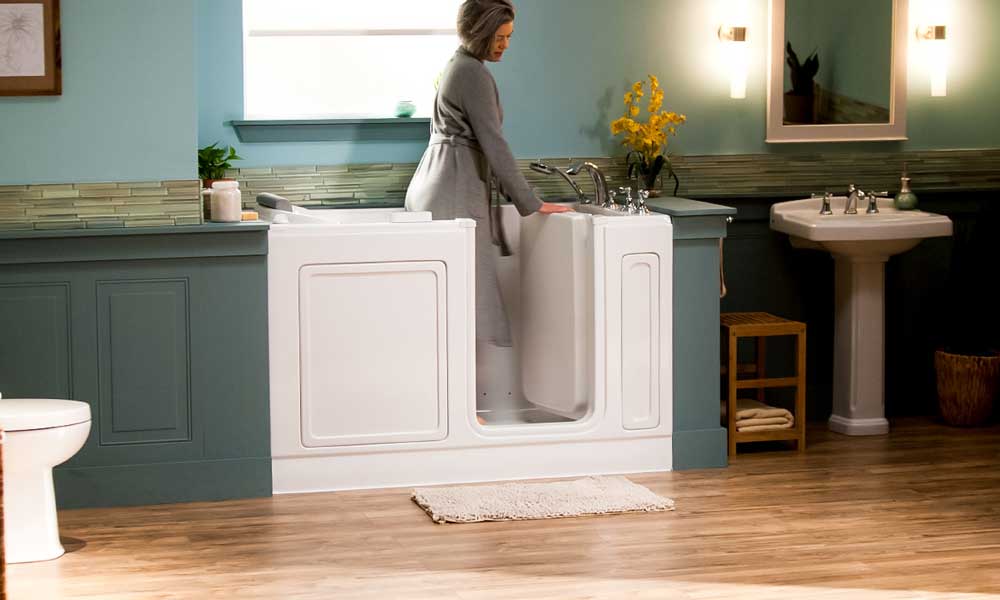
A walk-in tub is a bathtub with a watertight door and low step-in entry that allows you to bathe without climbing over a high wall. It gives you a safer way to get in and out and makes bathing more manageable.
In this guide, you’ll learn the pros and cons of walk-in bathtubs so you can decide if one is the right choice for you.
Pros of Walk-In Tubs
Here are the main benefits of a walk-in tub.
Safety and Accessibility
Walk-in tubs are designed to make bathing safer by removing the high step of a standard bathtub. The low threshold and watertight door let you enter without lifting your legs over a tall edge.
Once inside, non-slip flooring helps prevent slipping, and built-in grab bars and handrails give you steady support while moving or sitting down. These safety features are especially important if you have mobility issues or balance concerns.
Comfort and Health Benefits
A high-end walk-in tub can improve the way you feel during and after bathing. Many models include features that support your health and make the bathing experience more comfortable if you live with arthritis, joint pain, or poor circulation.
Here’s what you can expect:
- Hydrotherapy jets: Streams of water that can ease muscle soreness and improve circulation.
- Whirlpool and air jets: Gentle massage options for relaxation and pain relief.
- Heated seats and backrest: Extra warmth that keeps you comfortable while the tub fills or drains.
- Built-in seating: Raised seating that makes it easier to sit and stand, reducing strain on your joints.
Aging in Place and Independence
A walk-in tub helps you stay independent by lowering the need for physical assistance. Wheelchair-accessible models give you easier entry and more control over your routine. For caregivers, these features also reduce the strain of lifting or steadying someone in a traditional bathtub.
For example, if you use a walker or wheelchair, you can step or roll in with less effort. The built-in seat and grab bars keep you stable while bathing, lowering the risk of falls. This allows you to manage bathing on your own and makes it more realistic to remain in your home without constant support.
To compare walk-in bathtubs, visit our best walk-in tubs guide.
Potential Home Value Benefits
Installing a walk-in tub during a bathroom remodel can make your home more appealing to buyers who value safety and accessibility. When weighing walk-in tub pros and cons, it’s helpful to consider how a new tub might affect home value and appeal during a remodel.
Choosing a trusted brand with a strong warranty gives you confidence that the tub will last.
Here are some well-known options:
- Safe Step offers heated seats, a handheld shower wand, and dual hydrotherapy and air jets designed to ease joint pain. All models come with a lifetime warranty on the tub and labor.
- Kohler Walk-In Bath includes a low three-inch threshold, a heated backrest, fast drain technology, and whirlpool jets. It is backed by a limited lifetime warranty.
- American Standard provides a wide range of models, including wheelchair-accessible tubs with outward-swinging doors. Many include hydrotherapy systems with 44 air and water jets, and warranties cover the door seal for life and other components for up to ten years.
Cons of Walk-In Tubs
Now, let’s look at the problems with walk-in tubs that you should consider before buying.
Installation Costs and Process
Walk-in tubs cost more than standard bathtubs. The average price for the tub itself ranges from $4,000 to $22,100, depending on the brand and features. Installation adds another $2,500 to $8,000, especially if plumbing or electrical systems need upgrades.
In some homes, a full bathroom remodel is needed to fit the tub. This can raise the total cost to $15,000 or more.
Water Usage and Drain Times
A typical old tub holds 40-50 gallons, while walk-in tubs often hold 50-80 gallons or more. This higher capacity may require a larger water heater, since an undersized system could run out of hot water before the tub fills.
Drain times are also longer. Because the watertight door cannot open until the tub is empty, you must remain seated throughout. Even with fast-drain systems, emptying usually takes several minutes.
Here’s what this means for you:
- Expect higher water usage, which can raise utility bills.
- Plan for the possibility of a water heater upgrade.
- Be prepared to remain in the tub while it drains, which may feel uncomfortable if the water cools quickly.
These factors often leave homeowners asking, are walk-in tubs worth it given the higher water demand and longer drain times?
Functionality Limitations
Walk-in tubs often need more space than a standard bathtub. In a small bathroom, installing one may require removing storage or adjusting the layout, which can add to the overall cost.
Another factor is how a walk-in tub works. Unlike a standard tub that you can fill before stepping in, you must be seated inside while the water runs. This filling process, along with the time it takes to drain, can make the experience feel slower and less convenient.
Improper installation creates further challenges. If the door is not aligned or grab bars are placed incorrectly, getting in and out becomes harder and less safe.
Potential Drawbacks for Resale
Walk-in tubs do not always increase home value. In some remodels, they can make the bathroom feel less flexible for daily use. However, taking care of a walk-in tub properly can extend its lifespan and keep it looking appealing for future buyers, even if resale value varies.
Here are a few ways this can happen:
- Families with children often need a standard bathtub.
- Some buyers prefer a walk-in shower.
- A walk-in tub can feel oversized in small bathrooms.
For example, in a one-bathroom home, replacing the only standard tub may reduce flexibility. A young family might pass on the home if there is no tub for children, while other buyers could see the bathroom as less functional for quick showers or daily routines. In these situations, the walk-in tub can feel more like a limitation than an upgrade.
FAQs About Walk-In Tubs
A walk-in tub is worth considering if you’ve slipped getting in or out of a regular tub, need support from grab bars or seating, or require hydrotherapy for pain relief. It also makes sense if you plan to stay in your home long-term and want safer, easier bathing without depending on others.
Medicare does not usually cover walk-in tubs because they are considered home modifications, not medical equipment. Some Medicaid programs, VA benefits, or state assistance programs may help with partial costs.
Yes. Most walk-in tubs come with a handheld shower wand, and some have wall-mounted showerheads. This is helpful if you prefer quick showers on some days and full baths on others.
A quality walk-in tub lasts 15-20 years with regular upkeep. Longevity depends on using manufacturer-approved cleaning methods and replacing door seals or water jets before they wear out.
Focus on a low threshold, textured non-slip flooring, sturdy grab bars, anti-scald technology, and a quick-drain system. These features reduce fall risk and keep bathing safe and comfortable every day.
Leaks are rare if the tub is installed correctly. The most common issue is a worn door seal. Replacing the seal every few years usually prevents long-term problems.
The main disadvantages are higher purchase and installation costs, greater water usage, and longer fill and drain times. They can also take up more space and may not increase home value.
Help us improve our guides! If you’ve recently purchased a walk-in tub, we’d love to hear from you. Share your experience with us at [email protected]. Your personal details will stay completely confidential.