
Retirement Living takes an unbiased approach to our reviews. We may earn money when you click a partner link. Learn More
Are Walk-In Tubs Worth It?
Compare walk-in tub safety features, costs, installation requirements, and comfort options to decide if a walk-in tub fits your home and mobility needs.


Updated:
At a glance:
- Walk-in tubs can reduce fall risk and support safer bathing for older adults with mobility limitations or joint pain.
- Installation costs, bathroom modifications, and longer fill and drain times can make walk-in tubs less practical for some homes.
- Walk-in tubs are often worth the investment if you plan to age in place and need long-term accessibility and safety support.
Walk-in tubs are worth it for many older adults who want safer bathing and support for aging in place. These tubs reduce fall risk, help people with limited mobility, and add comfort features like built-in seating and hydrotherapy jets.
This guide explains the benefits, drawbacks, costs, and installation factors to help you decide if a walk-in tub fits your home and budget.
What Makes Walk-In Tubs Different From Traditional Bathtubs?
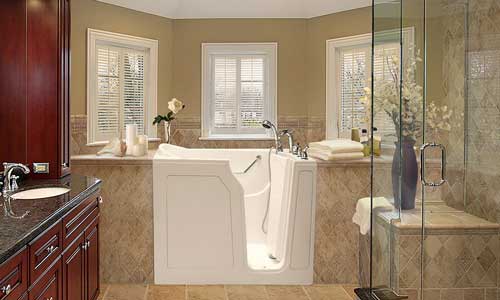
Walk-in tubs use a low threshold door instead of high tub walls. This design makes bathing easier for older adults and people with limited mobility. Traditional bathtubs require you to step over the tub wall, which can increase fall risk.
Most walk-in bathtubs also include grab bars, built-in seating, a backrest, and slip-resistant flooring. These safety features help you enter, sit, and stand more safely than standard bathtubs. Many models also include a handheld showerhead or shower combo option.
Unlike traditional tubs, many walk-in baths also include comfort features like hydrotherapy jets, air jets, and warm water therapy. These features may help people with joint pain or mobility issues during bathing.
Benefits of Walk-In Tubs
Here are some of the main benefits that make walk-in tubs worth considering for older adults and people with mobility issues.
Improved Safety and Accessibility
Most walk-in tubs include safety features designed for older adults and people with limited mobility.
- Grab bars provide extra support while entering, sitting, and standing.
- A low threshold entry reduces the need to step over high tub walls.
- Non-slip flooring and slip-resistant surfaces help lower fall risk in wet bathrooms.
- Built-in seating gives users a stable place to sit while bathing.
- Some models offer wheelchair-accessible designs for people with severe mobility issues.
Comfort Features for Pain Relief
Many walk-in tub brands, including Kohler or American Standard, offer hydrotherapy jets, whirlpool systems, and air jets that move warm water around the body while you soak. People with joint pain, arthritis, or mobility issues may find warm water bathing easier on their muscles and joints than using traditional bathtubs.
Some models also include aromatherapy and chromotherapy features. Aromatherapy releases scented oils during bathing, while chromotherapy uses colored lighting inside the tub. These features focus more on comfort than accessibility or safety.
Support for Aging in Place
A walk-in tub can help you continue living at home as daily bathing becomes more difficult with age or mobility issues. For many older adults, safer bathing supports more independence and reduces the need to rely on a caregiver for everyday tasks.
Some homeowners also install walk-in tubs as part of larger home modifications to avoid moving into assisted living earlier than planned.
Cons of Walk-In Tubs
Walk-in tubs can improve safety and accessibility, but they also come with costs and installation challenges that may not fit every home or budget.
High Upfront Costs
Walk-in tubs cost more than standard bathtubs because they require specialized safety features and professional installation. Total pricing depends on the tub size, comfort features, and bathroom layout.
Here are some of the main costs you should expect:
- A basic walk-in bath usually costs between $2,000 and $5,000 before installation.
- Walk-in tubs with hydrotherapy jets, whirlpool systems, and quick-drain features can cost more than $10,000.
- Walk-in tub installation often adds another $1,500 to $5,000 to the total cost.
- Plumbing work, electrical updates, and water heater upgrades can increase installation costs.
- Removing an old tub and making bathroom remodel changes may add extra labor costs.
Most walk-in tub brands also offer a free quote so you can compare pricing and installation requirements before buying.
Fill and Drain Time
You must enter a walk-in tub before it fills and remain inside until the water drains because the watertight door stays locked during use. This process usually takes longer than bathing in traditional bathtubs.
If your tub does not use a quick-drain system, you may wait several minutes before opening the door and exiting the tub. During that time, the water temperature may drop and feel uncomfortable. Some walk-in tubs use heated seating or faster drain systems to reduce wet wait time, but these features can increase pricing.
Installation and Space Limitations
Walk-in tub installation often requires more work than replacing a standard bathtub. You may need plumbing updates, electrical modifications, or changes to the tub wall area to fit the new tub safely.
Some bathrooms may not have enough space for larger walk-in bathtubs, especially models with shower combo features or built-in seating. Older homes may also require additional bathroom remodel work before installation.
You also need to maintain the watertight door and door seals over time to prevent leaking problems. Because of these installation and space requirements, walk-in tubs may not fit every bathroom layout or budget.
Are Walk-In Tubs Worth It for Seniors?
Now let’s look at when walk-in tubs make sense for older adults and when they may not be worth the cost.
When a Walk-In Tub Is Worth It
- Stepping over the wall of a traditional tub feels difficult because of balance problems or limited mobility.
- You worry about slipping while entering or exiting the bathtub, especially when bathing alone.
- Joint pain, arthritis, or stiffness makes standing in a shower uncomfortable.
- You want to age in place and continue living safely at home long term.
- Bathing currently requires support from a caregiver or family member.
- You already plan to make accessibility upgrades, such as grab bars or wheelchair-accessible spaces.
- You want a long-term safety solution instead of continuing to adjust a bathroom that no longer fits your needs.
If a walk-in tub sounds like the right fit for your mobility and safety needs, compare top-rated walk-in tub brands, features, and installation options in our best walk-in tubs guide.
When a Walk-In Tub May Not Be Worth It
- Your bathroom has limited space and cannot fit a larger walk-in tub comfortably.
- You plan to move soon and may not use the tub long enough to justify the installation cost.
- You prefer faster bathing routines and would rather use walk-in showers than soak in a tub.
- You do not have mobility limitations or concerns about entering a traditional bathtub.
- You only need simple accessibility upgrades, such as grab bars or a shower chair.
- You worry that replacing a traditional tub could affect resale value for future homeowners.
Walk-In Tub vs. Walk-In Shower
Both walk-in tubs and walk-in showers improve bathroom accessibility, but choosing a walk-in tub depends on your bathing preferences, mobility needs, and available bathroom space.
| Feature | Walk-In Tub | Walk-In Shower |
|---|---|---|
| Best for | Soaking, pain relief, and seated bathing | Fast daily bathing and easier entry |
| Accessibility | Built-in seating, grab bars, and low threshold entry | Open entry with fewer barriers |
| Safety features | Slip-resistant flooring, watertight door, seated bathing | Non-slip flooring and grab bars |
| Comfort features | Hydrotherapy jets, warm water soaking, air jets | Limited comfort features |
| Installation complexity | Often requires plumbing and electrical modifications | Usually simpler to install |
| Space requirements | Requires more bathroom space | Works better in smaller bathrooms |
| Home value concerns | May affect resale for some homeowners | Often appeals to a wider range of buyers |
Frequently Asked Questions (FAQs) About If Walk-In Tubs Are Worth It
Medicare usually does not cover walk-in tubs because it considers them nonessential home modifications. However, some Medicaid waiver programs and VA benefits may provide financial assistance for accessibility upgrades in certain cases.
Yes. You must remain inside until the tub drains because the watertight door cannot open while water remains inside. Quick-drain systems help reduce wet wait time after bathing.
Most walk-in tubs last 15 to 30 years with proper maintenance. Some walk-in tub brands also offer lifetime warranty coverage for door seals, frames, or major components.
A properly installed walk-in tub should not leak. However, worn door seals, poor installation, or lack of maintenance can cause water leaks around the watertight door over time.
Help us improve our guides! If you’ve recently installed a walk-in tub or helped a loved one choose one, we’d love to hear from you. Share your experience with us at [email protected]. Your personal details will stay completely confidential.