
Retirement Living takes an unbiased approach to our reviews. We may earn money when you click a partner link. Learn More
Does a Walk-In Tub Add Value to Your Home?
Learn how a walk-in tub can affect resale value, ROI, and buyer appeal before you invest.


Updated:
At a glance:
- A walk-in tub can appeal to older buyers and homeowners planning to age in place, but it may limit appeal if it replaces the only standard tub.
- Walk-in tub costs can reach thousands of dollars, and resale value may not cover the full project cost.
- Choosing a walk-in tub that fits your bathroom and offers flexible bathing options may help protect its appeal to future buyers.
A walk-in tub can add value to your home, but it does not guarantee a higher resale price. Its value depends on your home, local market, and buyer needs. This guide explains walk-in tub costs, resale value, and buyer appeal.
Does a Walk-In Tub Increase or Decrease Home Value?
A walk-in tub can increase home value when its features match local demand. However, replacing a home’s standard tub can make it less appealing to some buyers.
When Walk-In Tubs Add Value
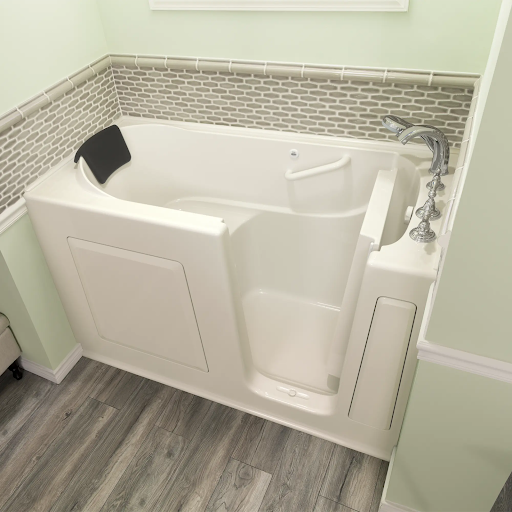
A walk-in tub can appeal to buyers who need easier access and safer bathing. Features such as low thresholds, built-in seating and grab bars can support aging in place.
It may add more appeal when:
- Older buyers: More than one in four adults age 65 and older fall each year, so some may value bathroom features that support safer bathing.
- Aging-in-place needs: A buyer planning to stay in the home may value a bathroom that can support changing mobility needs. For some homeowners, these features may help them remain at home longer instead of moving to assisted living.
- Accessibility features: Grab bars, handrails, and built-in heated seats can make the bathroom easier to use.
- Other bathing options: A second bathroom with a standard tub or separate shower gives buyers more flexibility.
- Complete bathroom renovations: A walk-in tub may fit better when you also update the flooring, fixtures, and other bathroom features.
If you want a walk-in tub without limiting your home’s future appeal, compare models, features, and installation options in our guide to the best walk-in tubs.
When Walk-In Tubs Hurt Appeal
One of the main disadvantages of a walk-in tub is that it can narrow your buyer pool by replacing a feature many buyers still want. This matters most when the home has only one bathroom or one bathtub.
The risk can increase when:
- The only tub is removed: Families with young children may prefer a standard tub for bathing children.
- Bathroom space is limited: A large tub can leave less room for a shower, storage, or other fixtures.
- The walk-in tub installation changes the layout: Major plumbing work or unusual fixture placement may create more work for buyers to consider.
- Maintenance requires more work: Jets, watertight doors, seals, and plumbing can require more care than a standard tub.
- Buyers prefer conventional fixtures: Buyers without accessibility needs may favor a standard tub or walk-in shower.
Walk-In Tub Resale Return on Investment
A walk-in tub can cost thousands of dollars, especially when it requires plumbing changes, electrical work, or a bathroom remodel. You may not recover the full cost when you sell because buyers may not value a specialized upgrade the same way you do.
| Cost item | Typical cost range | Potential value impact |
|---|---|---|
| Walk-in tub | $2,300 – $25,000 | Higher-end features may appeal to some buyers but do not guarantee a higher sale price |
| Installation cost | $2,500 – $8,000 | More complex installation can raise your total project cost without increasing resale value |
| Plumbing and electrical work | Varies by project | Moving plumbing or adding electrical work can increase your upfront investment |
| Bathroom repairs and finishing | Varies by project | Slip-resistant flooring, fixtures, and finishes can improve the bathroom’s overall appeal |
| Hydrotherapy jets or air jets | $1,500 – $5,000 | These features may appeal to buyers who want therapeutic or spa-like experiences and features but may not add equal resale value |
Why Walk-In Tub ROI Is Not Guaranteed
A walk-in tub is a specialized bathroom upgrade, so you may not recover its full cost when you sell. Walk-in tubs can be expensive, and buyers who do not need one may not value the investment you made.
For example, spending $10,000 on a walk-in tub does not mean your home will sell for $10,000 more. If you plan to stay for several years, you have more time to benefit from the tub’s safety and comfort before selling. Your return still depends on buyer demand and bathroom layout.
Before choosing a walk-in tub, consider the total cost, bathroom layout, safety features, and how the tub may affect future buyers.
Which Walk-In Tub Is Right for Your Home?
If resale value concerns you, choose a tub that fits your existing bathroom footprint and gives you more bathing flexibility. Keeping the current layout can reduce major remodeling work and give future buyers more options.
- Safe Step: Its Hybrid combines a walk-in tub and standing shower in one unit. Safe Step says it can fit the footprint of an existing tub, which may help you keep both bathing options without changing the bathroom layout.
- Ella’s Bubbles: Its Laydown60 measures 30 by 60 inches and fits a standard 60-inch alcove. The company also offers a shower screen and shower kit for the same space, giving future buyers another bathing option.
- American Standard: Some models fit standard-size bath spaces and include an extender kit for retrofitting. This can help you add accessible bathing without major bathroom changes.
A no-step-in tub can help you sell for more. However, choosing a model that fits your existing space can make the bathroom easier to use now and easier to change later.
Walk-In Tub Alternatives for Resale
If you want better bathroom accessibility but worry about resale, consider less specialized options. These upgrades can improve access while keeping the bathroom familiar to more buyers.
| Alternative | Accessibility benefit | Resale friendliness |
|---|---|---|
| Walk-in shower | Provides low-threshold entry and can include seating and grab bars | Broad buyer appeal |
| Tub-shower combo | Provides both bathing and showering in one fixture | Broad buyer appeal |
| Curbless shower | Removes the step into the shower and can support wheelchair access | Broad buyer appeal |
| Tub-to-shower conversion | Replaces a standard tub with an easier-entry shower | Broad buyer appeal, but removes a bathtub |
| Standard tub with accessibility features | Keeps a conventional tub while adding grab bars or a handheld showerhead | Preserves a standard tub |
A walk-in shower may make more sense if you want easier entry without adding a specialized tub. A tub-shower combo may work better if you want to keep both bathing and showering options.
If you need a walk-in tub for aging in place, resale should not be your only consideration. Choose the option that best supports your limited mobility needs, safety, and quality of life.
Frequently Asked Questions (FAQs) About If a Walk-In Tub Adds Value to Your Home
Yes, walk-in tubs can leak if the door seal becomes damaged, dirty, or improperly closed. Cleaning the seal and following the manufacturer’s maintenance instructions can help prevent leaks.
A walk-in tub can last for many years with proper maintenance, but its lifespan depends on the tub’s materials, components, and frequency of use. Pumps, jets, and door seals may need service or replacement before the tub itself.
Walk-in tubs can take several minutes to fill and drain, so you must remain seated until the tub reaches a safe level or empties. Some models use faster drainage systems to reduce waiting time.
A walk-in tub may qualify as a medical expense if its main purpose is to provide medical care or accommodate a disability. IRS rules can limit the deductible amount based on how much the improvement increases your home’s value, so check the current rules or consult a tax professional.
Help us improve our guides! If you’ve recently installed a walk-in tub or have insights on how yours works, we’d love to hear from you. Share your experience with us at [email protected]. Your personal details will stay completely confidential.