
Retirement Living takes an unbiased approach to our reviews. We may earn money when you click a partner link. Learn More
Why Are Walk-In Tubs So Expensive?
A clear breakdown of walk-in tub prices, features, and installation costs to help you plan your purchase.


Updated:
At a glance:
- Walk-in tubs cost more ($13,100) than standard bathtubs ($2,100) or walk-in showers ($6,500) because of built-in safety features, specialized materials, and optional therapy systems designed for limited mobility.
- Most walk-in tubs cost between $4,000 and $22,100, with installation adding $2,500 to $8,000 depending on bathroom setup and features.
- The value of a walk-in tub depends on your safety needs, comfort goals, and plans to age in place, not home resale value.
Walk-in tubs cost more because they combine a watertight door, reinforced shell, and integrated safety and therapy features into a single, professionally installed unit. Lower-cost options like bathtub lifts or tub conversion kits (tub cutouts) can lower step-in height and improve accessibility at a fraction of the cost, but they don’t offer the same level of stability or comfort.
With that in mind, this guide explains why walk-in tubs cost so much, what affects installation costs and whether walk-in baths are worth the money for homeowners, caregivers and loved ones.
Average Cost of a Walk-In Tub In 2026
Walk-in tub prices range from about $4,000 to $22,100. Most homeowners spend around $13,100, which reflects a mid-range model with standard accessibility features.
The quote you receive from the manufacturer should cover installation labor, plumbing work, electrical work, demolition and disposal of the old tub, permit fees and any structural upgrades. Usually, the more that’s included in the initial quote, the better. That way, you’re less likely to deal with financial surprises later on.
Lower-priced walk-in bathtubs are basic soaking models. These tubs offer a low entry threshold and built-in seating but don’t include therapy options. Prices increase when tubs include massage jets. Larger models, such as bariatric tubs and two-person tubs, also cost more due to their size and water capacity.
Here are some general price ranges by tub type:
- Standard walk-in tub: $2,500 to $5,000
- Air bath or hydrotherapy tub: $5,000 to $10,000
- Bariatric bathtub: $7,000 to $10,000
- Combination air and hydrotherapy tub: $7,000 to $15,000
Why Walk-In Tubs Cost More to Engineer Than Standard Tubs
We’ll dive into the features that increase walk-in tub costs below, but first, here’s why a new walk-in tub installation is almost always more expensive than a standard tub. Walk-in tubs have:
- Watertight door engineering: Standard soaking tubs have a single sealed basin, but walk-in tubs require a special door that prevents leaks while bathing and lets seniors enter without stepping over the threshold. Building a watertight door that won’t leak demands engineering that increases the overall price tag.
- Reinforced shell construction: Due to the door, a walk-in tub’s surrounding shell must be reinforced to maintain structural integrity. Often, manufacturers thicken the acrylic or add internal framing around the door cutout, which increases both material and labor costs.
- ADA accessibility standards: Most walk-in tubs are designed to meet ADA guidelines, including low thresholds, adequate transfer space, secure grab bar placement and approved seat heights. These standards change engineering and safety testing, increasing costs compared to traditional bathtubs.
- Low production volume: One-size-fits-all tubs are manufactured at scale, keeping per-unit costs down through cheap supply lines. Walk-in tubs mostly serve seniors and disabled individuals, so manufacturers produce fewer units to match limited demand. This gives manufacturers less leverage to find cheap materials, raising overall prices.
- Liability and risk considerations: Walk-in tubs are marketed explicitly around safety, which puts them under more scrutiny. Manufacturers tend to invest in more rigorous and expensive testing, quality control and warranty support to reduce the risk of leaks, seal failures or falls.
Features That Make Walk-In Tubs Expensive
Built-In Safety Features
For disabled and wheelchair accessibility, walk-in tubs include safety features built into the tub itself rather than added later. For instance, grab bars are secured directly to the frame, and slip-resistant flooring is regularly added. Similarly, low step-in thresholds and built-in seats with backrests make it easier for seniors to enter, exit and bathe comfortably.
These safety features matter when choosing a walk-in tub because they help seniors bathe safely at home instead of relying on assisted living.
Advanced Therapeutic Technology
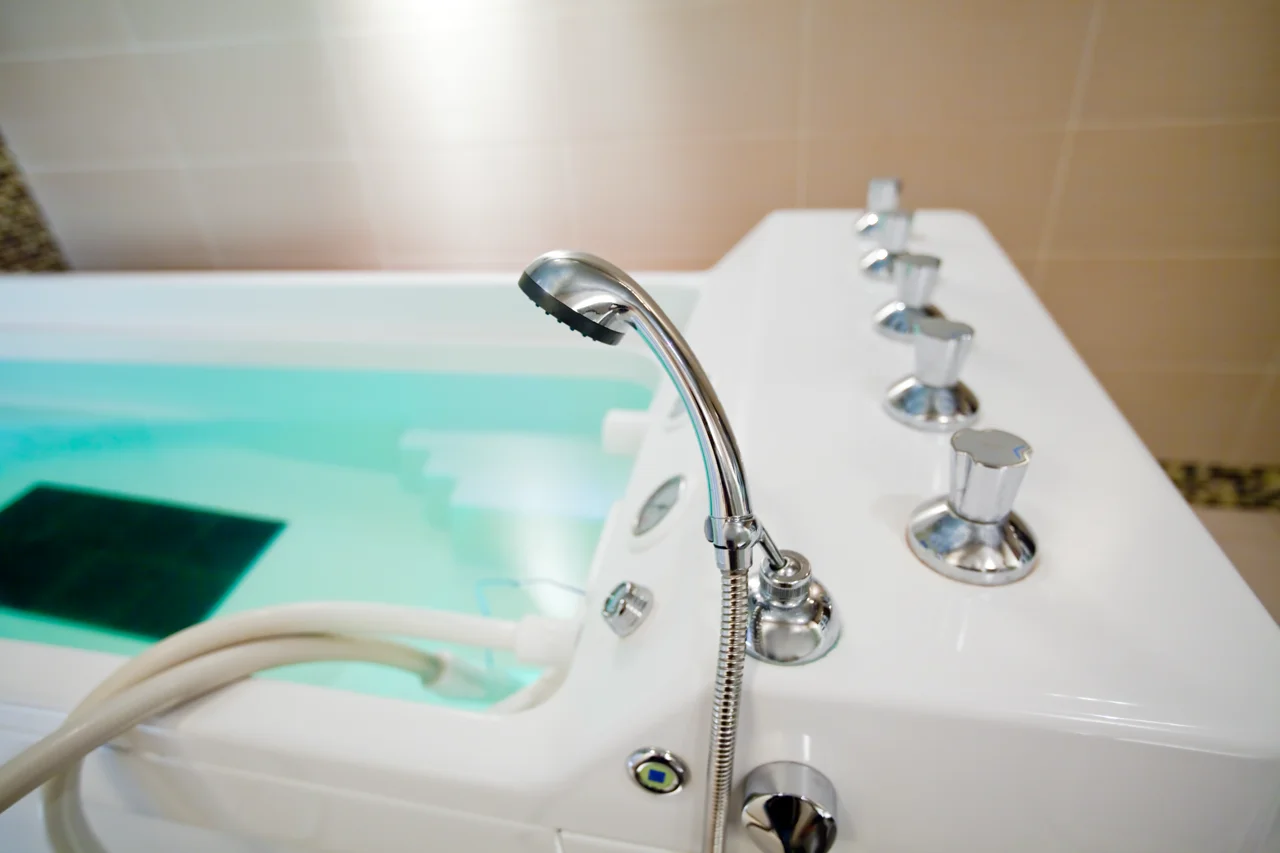
Some walk-in tubs include therapeutic comfort features. For instance, hydrotherapy systems use jets to move water against the body. Water jets provide firm pressure, while air jets create a lighter bubbling effect. Some tubs combine both systems in one unit.
Additional features that also add to the cost:
- Heated seats that keep you warm while bathing
- Aromatherapy systems that release scented oils into the water
- Chromotherapy lighting that uses color to create a calming setting
These features rely on pumps, controls, and electrical components that are not found in standard bathtubs. For people with arthritis or mobility issues, these options can make bathing easier and more comfortable.
High-End Materials and Construction
Walk-in tubs are made from acrylic rather than fiberglass because acrylic is thicker and retains heat longer. Many models are built as bariatric tubs with reinforced frames to support higher weight limits. This structure also supports seats, grab bars, handrails and therapeutic systems during regular use.
Other components support seated bathing and limited hand strength, such as simplified faucets and controls. Fast-drain systems help empty the tub sooner after bathing. Door seals are custom-fitted to reduce leaks over repeated use.
Walk-In Tub Installation Costs
Installing a walk-in tub typically costs between $2,500 and $8,000, with labor costs ultimately coming down to how much work is required. Key factors include the type and size of the walk-in tub, structural changes to the bathroom layout, electrical updates for heated seats or hydrotherapy jets, and whether your water heater has enough capacity to fill a larger tub. A project that doesn’t require plumbing or electrical changes will likely cost less than $4,000, while one that needs a new plumbing line or bathroom layout updates often ranges from $5,000 to $8,000.
Even the most well-planned bathroom remodel can uncover issues that increase the overall cost, which is part of why quotes run high. For instance, larger tubs may require widening the door, and removing the old tub might reveal wall tiles or flooring that need repair. In some cases, the subfloor might not be rated to support the tub’s filled weight and will require reinforcement.
Also factor in permits and required inspections, along with labor costs. Even minor issues can increase the total cost by $500 to $2,000.
Choosing a Walk-In Tub Brand Based on Cost and Features
Choosing the best walk-in tub for your specific needs can help you get the most value from your investment. Note that where you buy the tub from will impact the total price as much as the model itself, as different sellers will bundle different services into the sticker price:
- Manufacturer-direct brands: Companies like Safe Step and Kohler sell and install their own tubs, which can mean higher upfront costs but a more convenient process and stronger lifetime warranty coverage. With this option, you almost always get fewer surprises.
- Big-box retailers: Home improvement stores like Lowe’s or Home Depot tend to sell walk-in tubs at a lower sticker price, but installation isn’t usually included. Instead, you’ll either need to pay for additional installation services or hire a local plumber/contractor.
- Online retailers: Buying a tub online through a company like Universal Tubs can be cheaper overall, but installation isn’t included. Warranty coverage on the tub itself may still apply, but service support is typically limited to the manufacturer, not a local installation team.
Rather than focusing only on the sticker price, you should factor in warranty coverage as well. While lifetime warranties on door seals and shells or multi-year coverage on pumps and electronics correlate with higher upfront pricing, they can save you a lot if something goes wrong. So, choosing a tub with a good warranty might cost more in the short term but could also save you a lot if you need a repair or replacement.
Here are some of the top brands to consider.
| Brand | Best For | Typical Cost Range | Key Features That Affect Price | Warranty |
|---|---|---|---|---|
| Safe Step | Joint pain and all-in-one designs | $10,000+, including tub and installation | – Heated seat and backrest – Hydrotherapy and air jets – Shower-tub combo – Fast fill system – Aromatherapy and chromotherapy options | Lifetime warranty on tub and labor |
| Kohler Walk-in Bath | Long-term reliability | $2,000–$20,000 depending on model and features | – Low entry threshold – Fast drain system – Heated backrest – Hydrotherapy and air jets – Brand-backed service support | Limited lifetime |
| Ella’s Bubbles | Couples and custom sizing | $3,500+ | – Two-seat and lay-down tubs – Hydro and air jets – Heated seats – Chromotherapy – Fast dual drains | Limited lifetime |
For a wider comparison of walk-in tubs and features, visit our best walk-in tubs guide.
Practical Strategies to Reduce the Cost of a Walk-In Tub
1. Choose a Basic Soaker Model
Always compare the costs of additional walk-in tub features before you commit. If features like hydrotherapy jets or heated seats aren’t a priority, you can save money by skipping them. Instead, focus on basic safety features like grab bars and slip-resistant flooring, which cost much less while still providing real benefits.
2. Avoid Remodeling Costs Where Possible
Measure your bathtub alcove and overall bathroom before you choose a model so you can pick one with dimensions that require minimal remodeling. After all, moving lines, widening doorways or reinforcing floors can all increase costs significantly.
3. Get Multiple Itemized Quotes
Don’t accept the first quote you receive, since you’ll never know if it was the best offer available. Ask at least two companies for a written, itemized quote that separates the cost of the tub, installation labor, permits and any add-on features. That way, you can accurately compare both options.
4. Search for Manufacturer Deals
Many of the most popular walk-in tub brands offer seasonal rebates, senior discounts or promotions for protected classes (like veterans). However, these cost-saving deals aren’t always advertised upfront, so ask the manufacturer whether they offer any and whether you qualify.
5. Look Into Financing Options
From Medicaid Waivers and VA Benefits to the USDA Rural Repair and Rehabilitation Program, many options can help cover the cost of a walk-in tub. Programs are highly local and usually have eligibility requirements based on age, income or disability status, so you should research what’s available in your area. For example, visit your state’s Medicaid website or contact the office directly for more information.
FAQs About Why Walk-In Tubs Are So Expensive
Walk-in tubs can be a good investment if you want to reduce fall risk and safely age in place, especially compared with home health aides or assisted living costs. Walk-in tubs are a one-time investment that can go upwards of $15,000; the latter options have an average annual cost of around $75,000. Nursing homes are even more expensive, with a national median annual cost of around $130,000.
Walk-in tubs are expensive, take time to fill and drain, and require professional installation. Some models use more water, and users must wait for slower fill and drain times before exiting.
Medicare (including Medicare Advantage), Medicaid and most insurance plans do not cover walk-in tubs because they are not considered durable medical equipment. This lack of coverage is a major reason the out-of-pocket cost feels so high, since homeowners typically shoulder everything themselves. You may qualify for financial assistance through state waiver programs or the Department of Veterans Affairs (VA), but eligibility and benefits vary by state.
Yes. The biggest expense is still the upfront equipment and installation requirements, but maintenance is always something to consider. A larger capacity compared to standard tubs means higher water and energy use over time, and models with hydrotherapy jets require periodic jet cleaning to prevent buildup. Over the tub’s 10–15 year lifespan, paying repair costs out of pocket is also a strong possibility.
Help us improve our guides! If you’ve recently installed a walk-in tub or have insights on how yours works, we’d love to hear from you. Share your experience with us at [email protected]. Your personal details will stay completely confidential.