
Retirement Living takes an unbiased approach to our reviews. We may earn money when you click a partner link. Learn More
Pros and Cons of Stair Lifts
Stair lifts help people with mobility challenges move safely between floors, but they come with tradeoffs. Understanding the benefits, costs, and limitations can help you decide whether a stair lift is the right long-term solution for your home.



Updated:
At a glance:
- Stair lifts improve safety and independence but can affect a home’s resale value and require ongoing maintenance.
- Prices range from about $2,000 for a straight stair lift to $15,000 or more for a custom curved model.
- Choosing between straight, curved, outdoor, and platform lifts depends on your staircase layout and mobility needs.
Choosing a stair lift, or chair lift, is an important decision for anyone who wants to remain safe and independent at home. While stair lifts can reduce fall risks and make everyday activities easier, homeowners should also consider the cost, maintenance requirements, and impact on their living space before installing one. Below, we outline the biggest pros and cons of stair lifts, along with costs, available types, and whether renting or buying makes the most sense for your situation.
Benefits and Drawbacks of Stair Lifts
For many older adults and people with limited mobility, the advantages of a stair lift outweigh the disadvantages. A stair lift can reduce the risk of falls, help users remain independent and delay or eliminate the need to move to a single-story home or assisted living community. However, stair lifts also require a significant financial investment, routine maintenance, and adequate space on the staircase. The best choice depends on your mobility needs, budget, and how long you expect to use the equipment.
Benefits of Stair Lifts
A stair lift does more than transport someone between floors. It helps preserve independence while making daily routines safer and easier.
Reduces the Risk of Falls
Falls are one of the leading causes of injury among older adults. According to the Centers for Disease Control and Prevention (CDC), millions of adults ages 65 and older experience falls every year, with many injuries occurring on stairs.
Modern stair lifts include multiple safety features designed to reduce accident risk, including seat belts to keep users secure, swivel seats to make transfers easier, obstruction sensors that stop the lift if an object blocks the track, battery backup for power outages, and locking controls to prevent unauthorized use.
While no mobility device eliminates every risk, these features make stair lifts significantly safer than climbing stairs for many users.
Promotes Independence
Many people purchase stair lifts to remain in their homes longer. Instead of avoiding an upstairs bedroom or relying on family members for assistance, users can continue accessing every level of their home independently.
Greater independence can boost confidence, enhance privacy, reduce reliance on caregivers, and improve overall quality of life. Remaining in a familiar home environment may also reduce stress associated with relocation.
Remaining in a familiar home environment may also reduce stress associated with relocation.
Makes Everyday Tasks Easier
A stair lift isn’t just helpful for traveling between floors. It also simplifies many daily activities.
For example, users can safely transport lightweight items such as laundry, groceries, small household items, and pet supplies, reducing unnecessary trips up and down the stairs.
Some people even use the lift to transport lightweight items while remaining seated.
Drawbacks of Stair Lifts
Although stair lifts offer meaningful benefits, they are not the right solution for every home or every budget.
High Upfront Cost
The biggest disadvantage for most homeowners is the price.
Depending on the type of lift and the staircase configuration, homeowners typically spend:
- Straight stair lift: $2,000 to $8,000
- Outdoor stair lift: $4,000 to $10,000
- Curved stair lift: $10,000 to $15,000 or more
Installation, optional upgrades, and ongoing maintenance can increase total ownership costs.
Ongoing Maintenance
Like any mechanical equipment, stair lifts require routine service.
Maintenance may include:
- Battery replacement every few years
- Annual inspections
- Lubricating moving components
- Repairing motors or electronic controls if they fail
Many manufacturers recommend yearly maintenance to help extend the lift’s lifespan and ensure safe operation.
Space Limitations
Although modern stair lifts fold against the wall when not in use, the handrail and chair still occupy part of the staircase.
Homes with narrow staircases may have:
- Less walking clearance
- Difficulty moving furniture
- Challenges in meeting accessibility needs for multiple users
A professional installer can determine whether a staircase provides adequate clearance before installation.
Appearance and Resale Concerns
Some homeowners hesitate to install a stair lift because they dislike its appearance.
A stair lift can:
- Change the look of the staircase
- Make entryways appear smaller
- Affect buyer perception if left installed during a home sale
Most stair lifts can be removed, and many leave only small mounting holes in the stair treads that can be repaired.
Stair Lifts Have Limitations
A stair lift improves mobility, but it does not replace comprehensive safety planning.
Users should still have an emergency communication plan because stair lifts do not provide protection during medical emergencies. Proper installation is essential for safe operation, and users must be able to safely transfer into and out of the stair lift chair.
People with severe balance issues or those unable to sit safely may require a different accessibility solution.
Stair Lift Pros and Cons At a Glance
| Category | Pros | Cons | Who It Suits |
|---|---|---|---|
| Safety | Reduces fall risk with seat belts, obstruction sensors, and swivel seats | Requires proper transfers and regular maintenance | Older adults with balance or mobility |
| Independence | Makes upstairs rooms accessible without caregiver assistance | May not work for users unable to transfer independently | People aging in place |
| Cost | Less expensive than many home renovations or elevators | Upfront purchase and installation costs can be high | Long-term homeowners |
| Space | Fold-up seats reduce obstruction | Rails still take up staircase space | Homes with standard-width staircases |
| Maintenance | Long lifespan with proper servicing | Batteries and mechanical parts require periodic replacement | Owners who are comfortable with routine maintenance |
| Resale Value | Usually removable with minimal repairs | Some buyers may view installed lifts as undesirable | Homeowners planning to age in place |
Who Benefits Most From a Stair Lift?
A stair lift is often the best option for:
- Older adults who want to remain in a multistory home
- People recovering from surgery or an injury
- Individuals with arthritis, multiple sclerosis, or other mobility-limiting conditions
- Caregivers looking to reduce fall risks for loved ones and for peace of mind
However, a stair lift may not be ideal for everyone, and they’re not a one-size-fits-all solution. People who use wheelchairs full-time, cannot safely transfer to a seat, or need access for multiple wheelchair users, may benefit more from a vertical platform lift or home elevator.
Stair Lift Costs and Cost Factors
The average cost of a stair lift depends on the type of lift, staircase design, installation requirements, and added features. Most homeowners pay between $2,000 and $15,000 or more for a stair lift, with straight models typically costing less than curved or custom-built systems.
While the purchase price is the largest expense, homeowners should also consider installation, maintenance, repairs, and potential upgrades when budgeting for a stair lift.
How Much Does a Stair Lift Cost?
Stair lift prices vary significantly based on the staircase layout and the user’s needs. Straight stair lifts are generally the most affordable option because they use a standard rail system, while curved models require custom measurements and manufacturing.
| Lift Type | Typical Price Range | Best For | Key Cost Drivers |
|---|---|---|---|
| Straight stair lift | $2,000 – $8,000 | Homes with a single straight staircase | – Rail length – Seat options – Installation complexity |
| Curved stair lift | $10,000 – $15,000+ | Staircases with turns, curves, or landings | – Custom rail design – Staircase shape – Advanced features |
| Outdoor stair lift | $4,000 – $10,000 | Exterior stairs, decks, and porches | – Weather-resistant materials – Installation conditions – Rail length |
| Platform stair lift | $5,000 – $15,000+ | Users who need to transport wheelchairs or mobility devices | – Platform size – Weight capacity – Custom installation needs |
Straight vs. Curved Pricing
Straight stair lifts are typically the least expensive option because manufacturers can use prebuilt rails designed for standard staircases. These models often cost between $2,000 and $8,000, depending on the brand, features, and installation requirements.
Curved stair lifts cost significantly more because each system requires a custom rail built to match the home’s curved staircase. Prices often start around $10,000 and can exceed $15,000 for complex layouts with multiple floors, turns, or landings.
A homeowner with a staircase featuring curves or intermediate landings may need a custom solution rather than a standard model. A professional assessment can help determine which type of lift will work best.
Installation and Home Modifications
Stairlift installation costs are usually included in the total stair lift price, but some homes may require additional modifications.
Factors that can increase installation costs include narrow staircases requiring specialized equipment, multiple floors requiring longer rails, electrical work for charging stations, outdoor installations, and structural changes to ensure proper clearance.
Most stair lifts attach directly to the stair treads rather than the wall, which means many installations do not require major renovations. However, every staircase should be evaluated by a qualified installer before purchase.
Brands such as Lifeway Mobility work with homeowners to evaluate staircase layouts and recommend accessibility options based on their home’s design and mobility needs.
Maintenance and Repair Costs
Routine maintenance helps keep a stair lift safe and reliable over time. Most stair lifts last 10 years or more with proper care, though lifespan varies by usage, model quality, and maintenance.
Common maintenance expenses include:
- Battery replacement
- Track cleaning and lubrication
- Inspections for safety concerns
- Motor or electrical repairs
- Replacement of worn components
Some manufacturers and providers offer service plans that cover routine inspections and repairs. A maintenance agreement may increase upfront costs but can help homeowners avoid unexpected repair bills.
Financing and Assistance Options
Because stair lifts can be a significant investment, some homeowners look for ways to reduce costs.
Potential ways to make a stair lift more affordable include:
- Purchasing a refurbished stair lift
- Renting a stair lift for short-term needs
- Using rent-to-own programs
- Checking state assistance programs or Medicaid waiver programs
- Exploring veterans’ benefits through the Department of Veterans Affairs (VA)
Medicare typically does not cover stair lifts because they are considered home modifications rather than durable medical equipment. However, some Medicare Advantage plans, state programs, or local organizations may offer financial assistance.
Some providers, including 101 Mobility, offer various purchasing and payment options that may help homeowners manage costs.
Ways to Lower Stair Lift Costs
Homeowners who want a stair lift but are concerned about price can consider several cost-saving strategies.
Options include:
- Choosing a basic model without premium upgrades
- Buying a refurbished unit from a reputable provider
- Renting instead of purchasing for temporary needs
- Comparing multiple quotes from installers
- Asking about warranty coverage and service plans before buying
A lower purchase price does not always mean the best value. Homeowners should consider reliability, warranty protection, installation quality, and long-term maintenance costs when comparing options.
Stair Lift Types and Best Uses
Choosing the right stair lift depends on the home’s staircase, the user’s mobility needs, and how the equipment will be used. While straight stair lifts work well for simple staircases, curved, outdoor, and platform models provide solutions for more complex mobility challenges.
Before choosing a stair lift, homeowners should consider the staircase layout, available space, weight capacity, the ability to transfer from a wheelchair or walker, and whether the lift will operate indoors or outdoors.
Types of Stair Lifts
Straight Stair Lifts
Straight stair lifts are the most common and affordable option. They are designed for staircases that travel directly from one floor to another without curves, turns, or intermediate landings.
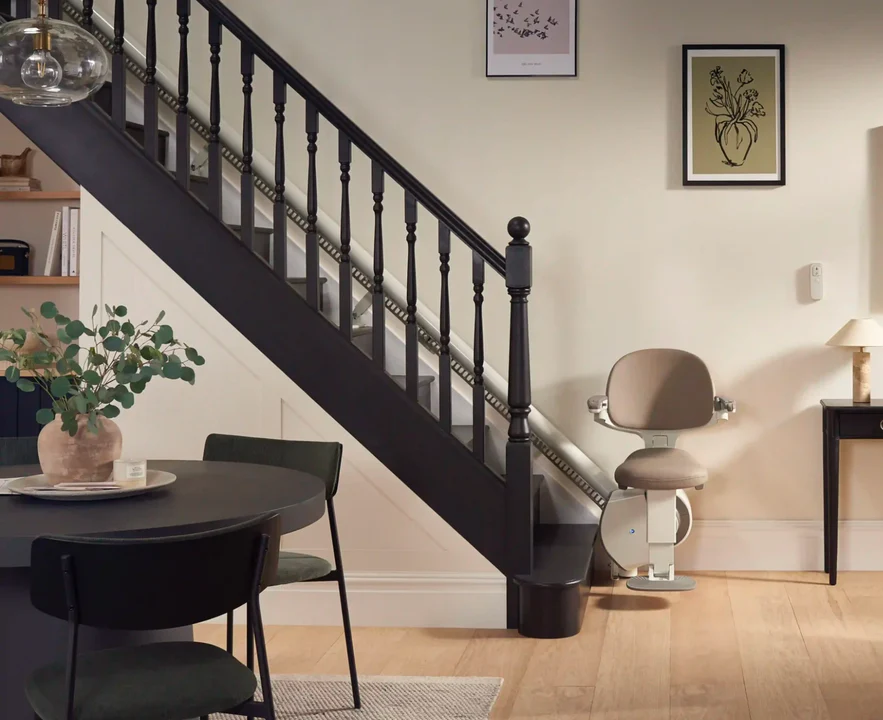
Benefits of straight stair lifts include:
- Lower purchase and installation costs
- Faster installation compared with custom models
- Simple operation and maintenance
- Availability in many residential settings
Because the rail follows a straight path, these lifts are typically not suitable for staircases with bends or multiple levels.
Curved Stair Lifts
Curved stair lifts are designed for staircases with turns, bends, spirals, or multiple landings. These systems use a custom-built rail that follows the exact shape of the staircase.
Curved models offer more flexibility but typically cost more because each rail must be measured, designed, and manufactured specifically for the home.
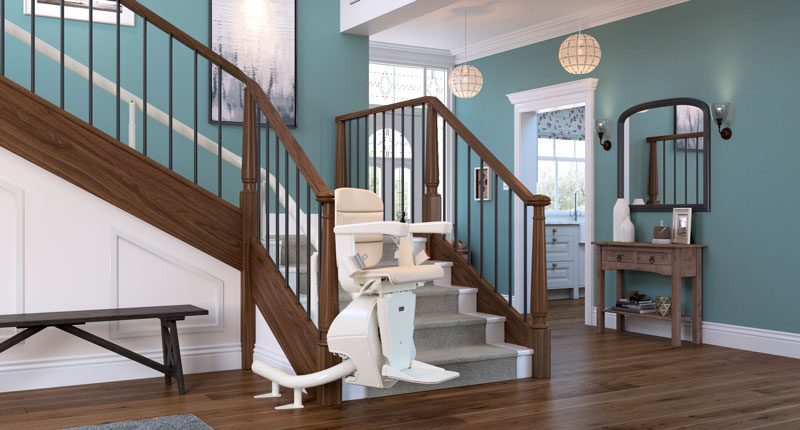
They may be a good fit for:
- Multi-level homes
- Staircases with curves or corners
- Homes with unique architectural designs
- Users who need access to several floors
Outdoor Stair Lifts
Outdoor stair lifts allow users to safely navigate exterior stairs, such as those leading to porches, patios, or garages.

These models are built with weather-resistant materials to handle exposure to:
- Rain
- Sunlight
- Temperature changes
- Snow and ice
Outdoor stair lifts often include protective covers and durable components designed for exterior use.
Platform Stair Lifts
Platform stair lifts, also called wheelchair platform lifts, allow users to remain in a wheelchair while traveling between levels. Unlike traditional stair lifts that require a user to transfer into a seated position, platform models provide a larger surface area for mobility devices.
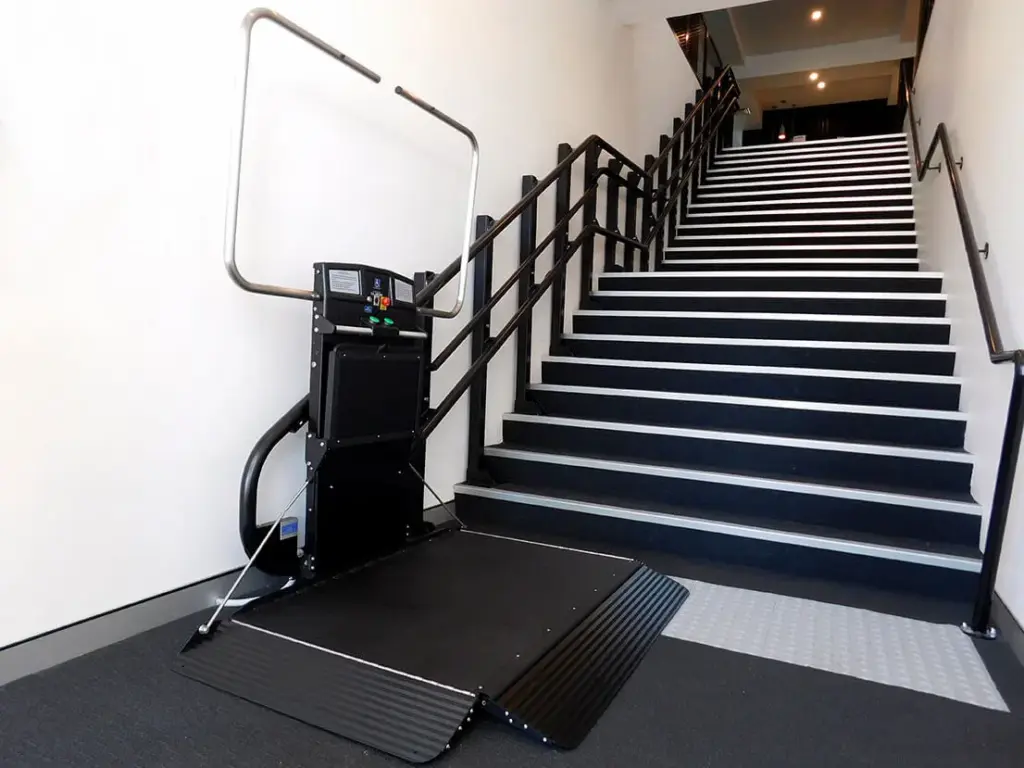
These lifts may be better suited for people who:
- Use wheelchairs full-time
- Cannot safely transfer to a stair lift seat
- Need to transport larger mobility equipment
Platform lifts generally require more space than traditional stair lifts and may require additional installation considerations.
Stair Lifts vs. Home Elevators
Some homeowners compare stair lifts with residential elevators when planning long-term accessibility improvements.
Stair lifts are generally:
- Less expensive
- Faster to install
- Better suited for individuals who can transfer independently
Residential elevators may be better for:
- Full wheelchair accessibility
- Transporting multiple people
- Carrying heavier items between floors
- Increasing long-term home value
The right option depends on the user’s mobility needs, budget, available space, and long-term plans for the home.
How to Choose the Right Stair Lift
A stair lift should match both the staircase and the user’s daily needs. Before purchasing, consider these important factors:
- Staircase shape: Straight staircases typically use standard models, while curved or multi-level staircases require custom solutions.
- Staircase width: Measure the available space to ensure the lift has enough room to use the stairs safely.
- User transfer ability: Traditional stair lifts require users to move from a wheelchair or walker into the lift seat.
- Weight capacity: Check the lift’s maximum weight limit to ensure safe operation.
- Outdoor exposure: Exterior staircases require weather-resistant models designed for changing conditions.
- Fold-up features: Foldable seats, armrests, and footrests can help maximize available staircase space.
- Power backup: Battery-powered systems can continue operating during power outages.
Features to Look For In a Stair Lift
Beyond choosing the right lift type, additional features can improve safety, comfort, and convenience.
Battery Backup
Most modern stair lifts include battery systems that allow the lift to operate during a power outage. This feature helps ensure users are not stranded on one level of their home during an emergency.
Fold-Up Seats and Controls
Fold-up seats, armrests, and footrests help keep staircases accessible for other household members. Many models also include handheld remote controls so users can call or send the lift between floors.
Adjustable Seating Options
Adjustable seats, padded cushions, and swivel mechanisms can improve comfort while making transfers easier for users with limited mobility.
Safety Sensors
Safety sensors detect objects on the staircase and automatically stop the lift if something blocks the track. This feature helps prevent damage and reduces the risk of accidents.
Weather-Resistant Materials
Outdoor stair lifts require durable materials that can withstand changing weather conditions. Protective covers and corrosion-resistant components can help extend the lift’s lifespan.
Choosing a stair lift from an experienced provider can help ensure proper installation and ongoing support. Companies such as Lifeway Mobility and 101 Mobility offer accessibility solutions designed for different home layouts and mobility needs.
Renting vs. Buying a Stair Lift
Deciding whether to rent or buy a stair lift depends on how long you expect to use it, your budget, and your current mobility needs. Buying a stair lift may provide better long-term value for permanent use, while renting can be a practical option for temporary mobility issues or uncertain situations.
Homeowners should also consider whether buying new, purchasing a used model, or choosing a rent-to-own program offers the best combination of cost, reliability, and service support.
Should You Rent or Buy a Stair Lift?
For many homeowners, buying a stair lift makes the most financial sense when it will be used for more than a year. Purchasing a new model typically provides the strongest warranty coverage, access to the latest safety features, and more control over the equipment.
Renting may be a better choice when:
- Mobility needs are temporary
- A user is recovering from surgery or an injury
- A family member is visiting for an extended period
- The homeowner is unsure how long the lift will be needed
The right choice depends on the expected length of use, available budget, and whether long-term ownership provides enough value.
Buying a New Stair Lift
A new stair lift is usually the best option for homeowners who expect to use the equipment for several years. New models often include manufacturer warranties, updated safety features, and professional installation support.
Buying new typically provides full warranty coverage, access to the latest safety and comfort features, greater availability of replacement parts, a longer expected lifespan, and more customization options.
The main disadvantage is the higher upfront cost. New stair lifts can cost several thousand dollars, especially for curved or custom models.
Buying a Used Stair Lift
Used stair lifts can help reduce the upfront cost, especially for homeowners who need a more affordable accessibility solution.
However, used equipment may come with a shorter remaining lifespan, limited warranty coverage, fewer available models, potential repair costs, and difficulty finding a lift that fits the home’s staircase.
A used stair lift should be inspected by a qualified professional before purchase to ensure it is safe, compatible with the staircase, and in good working condition.
Renting a Stair Lift
Renting a stair lift provides a lower-cost way to access mobility equipment without paying the full purchase price upfront.
Rental programs are often useful for temporary injuries, short-term recovery periods, trial periods before purchasing, or situations where a person’s mobility needs may change.
The downside is that monthly rental payments can add up over time. If a stair lift is needed for several years, purchasing may become more cost-effective.
Rent-to-Own Stair Lifts
Rent-to-own programs combine elements of renting and purchasing. Homeowners make monthly payments, and after a set period, they may own the stair lift outright.
This option can work well for people who:
- Need a stair lift immediately
- Cannot afford a full purchase upfront
- Are unsure whether they will need the equipment long term
However, homeowners should review the contract carefully to understand total costs, ownership terms, and warranty coverage.
Stair Lift Rental vs. Buying Comparison
| Option | Upfront Cost | Monthly Cost | Warranty and Service | Best For |
|---|---|---|---|---|
| Rent | Low or no large upfront payment | Ongoing monthly fees | Usually includes service options through the provider | Temporary mobility needs |
| Rent-to-own | Lower initial cost than buying | Monthly payments are applied toward ownership | Varies by provider and agreement | Users who may need long-term access |
| Buy new | Higher upfront investment | No required monthly payment after purchase | Typically includes manufacturer warranty and support | Long-term or permanent use |
| Buy used | Lower upfront investment than new | No required monthly payment after purchase | May have limited warranty coverage | Budget-conscious buyers who need a short- or medium-term solution |
How Long Do You Need a Stair Lift?
The expected length of use is one of the most important factors when deciding between renting and buying.
A stair lift rental may make sense if:
- Recovery is expected within months
- A caregiver is temporarily helping a loved one
- The homeowner is deciding whether to move
- Mobility needs are still changing
Buying is often more practical when:
- The user plans to remain in the home long term
- Mobility challenges are expected to continue
- The stair lift will be used daily
- Multiple household members may benefit from it
Frequently Asked Questions (FAQs) About Stair Lift Pros and Cons
The disadvantages of stair lifts include high upfront costs, ongoing maintenance requirements, space limitations, and possible concerns about appearance or resale value.
Seniors can consider alternatives to stair lifts, including moving to a single-story home, installing a residential elevator, using a wheelchair platform lift, or modifying the home for improved accessibility.
The average cost of putting in a stair lift ranges from about $2,000 for a basic straight model to $15,000 or more for a custom curved stair lift.
A stair lift does not automatically devalue a house, but some buyers may view it as an unwanted modification. Most stair lifts can be removed if a homeowner decides to sell.
A stair lift is worth the investment for many people who want to remain safely and independently in a multilevel home. The value depends on the user’s mobility needs, the expected length of use, and the user’s financial situation.
Stair lifts typically last about 10 years or more with proper maintenance, although lifespan depends on usage, model quality, and repairs.
Stair lifts are generally not covered by Original Medicare because they are considered home modifications rather than medical equipment. Some Medicare Advantage plans, Medicaid programs, VA benefits, or local assistance programs may provide financial help.
Want to help us improve our stair lift resources? Share your thoughts on whether a stair lift is worth it by emailing [email protected]. Rest assured, your personal details will remain completely confidential.