
Retirement Living takes an unbiased approach to our reviews. We may earn money when you click a partner link. Learn More
How Long Does It Take to Get Hearing Aids?
From hearing test to fitted devices, here is what the timeline really looks like.


Updated:
At a glance:
- Same-day fitting is possible with standard behind-the-ear (BTE) hearing aids.
- Custom in-the-ear (ITE) hearing aids typically take one to two weeks to manufacture.
- The full process usually involves a hearing test, a fitting appointment, and follow-up visits.
- Over-the-counter hearing aids can arrive in as little as three to five business days.
- The adjustment period after getting hearing aids can take several weeks.
- Most providers offer a trial period of 30 to 60 days.
So, how long does it take to get hearing aids? Most people have them within one to three weeks from start to finish. Some walk out with hearing aids the same day as their hearing evaluation. Custom hearing aids that need to be molded to your ear canal typically take one to two additional weeks after your fitting appointment.
The exact timeline depends on the type of hearing aids you choose, whether you go through an audiologist or buy over the counter, and how quickly you schedule each step.
How Long Does It Take to Get OTC Hearing Aids?
Over-the-counter hearing aids follow a much shorter timeline. The FDA cleared OTC hearing aids for adults with mild to moderate hearing loss in 2022. You do not need a prescription, a hearing test, or a fitting appointment to buy them.
Most OTC brands ship within three to five business days. Some offer same-day availability at retail stores. The trade-off is that OTC hearing aids are self-fitted. You adjust settings yourself through an app or manual controls.
They work well for many people but are not suitable for severe hearing loss or complex hearing health needs. Understanding how hearing aids work can help you decide which type is the right fit for your situation.
If you are unsure whether OTC or prescription hearing aids are right for you, talk to an audiologist before purchasing.
Hearing Test to Fitting Day: How Long Each Step Takes
The process has six main steps. Here is how long each one takes and what happens during it.
Step 1: Hearing Test and Evaluation (1 to 2 Hours)
The process starts with a hearing evaluation. An audiologist or hearing specialist will run a series of tests to measure your hearing loss across different frequencies. The results are recorded in an audiogram, which shows the type and degree of your hearing loss.
This appointment typically takes one to two hours. It includes a conversation about your hearing health, your lifestyle, and the environments where you struggle most, such as noisy environments, phone calls, or conversations with family.
If you already have a recent audiogram, you can sometimes skip this step or send it directly to an online provider.
Step 2: Choosing Your Hearing Aids (Same Day or Up to One Week)
After your hearing evaluation, your audiologist or hearing specialist will recommend hearing instruments based on your audiogram results, budget, and lifestyle. You may try a few types of hearing aids during the same visit.
The main styles are:
- Behind the ear (BTE): The most common style. The device sits behind the ear and connects to a custom ear mold or dome tip.
- In the ear (ITE): Custom hearing aids that fit entirely inside the outer ear. These need to be molded from an impression of your ear canal.
- In the canal (ITC) and completely in the canal (CIC): Smaller custom hearing aids that sit deeper in the ear.
Standard BTE models with dome tips can often be programmed and fitted the same day. Custom hearing aids require an ear impression and a manufacturing wait.
Step 3: Manufacturing Custom Hearing Aids (One to Two Weeks)
If you choose custom hearing aids, your audiologist will take an impression of your ear canal at the fitting appointment. That impression goes to the manufacturer, who builds the device to fit your ear exactly.
This stage typically takes one to two weeks. The timeline can vary depending on the manufacturer and the complexity of your hearing loss profile. Standard prescription hearing aids with custom programming but not a custom shell are usually ready sooner.
Step 4: The Fitting Appointment (One to Two Hours)
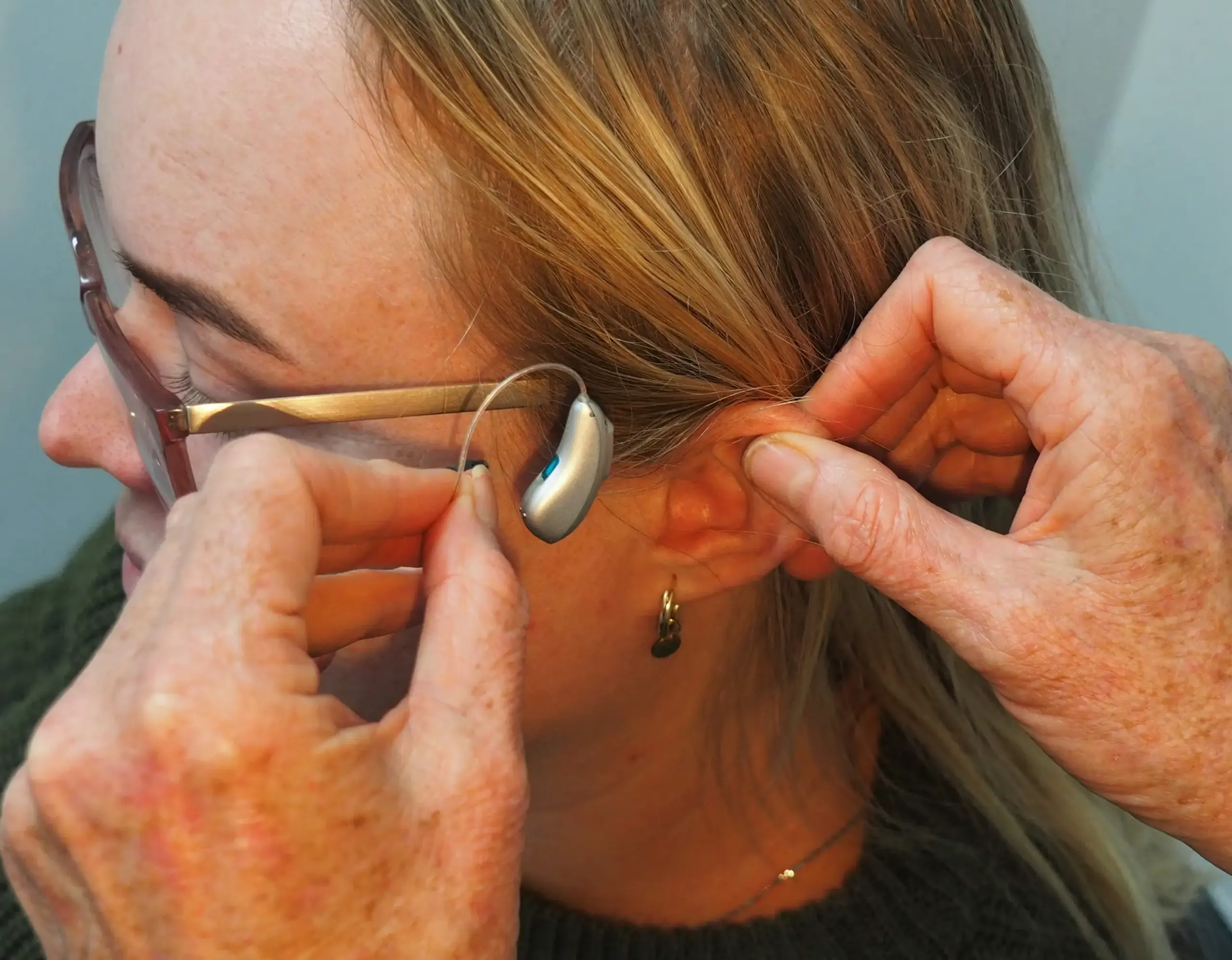
Once your hearing aids are ready, you come back for a fitting appointment. This is where your audiologist programs the devices to your specific audiogram and makes physical adjustments for comfort.
Your audiologist will:
- Program the hearing aids to match your hearing loss profile
- Show you how to insert, remove, and clean them
- Explain how to change or charge disposable batteries or rechargeable cells
- Walk you through any app or settings controls
- Schedule your first follow-up visit
Most fitting appointments run one to two hours, though more complex cases may take longer.
Step 5: The Adjustment Period (Two to Four Weeks)
Getting hearing aids is not a one-appointment process. Most people need two to four weeks to fully adjust to amplified sound, especially if they have had untreated age-related hearing loss for a long time.
During the adjustment period, your brain relearns how to process sounds it has not heard clearly in years. This can feel overwhelming at first.
Common experiences include:
- Your own voice sounding different or too loud
- Background noise feeling distracting
- Difficulty identifying where sounds are coming from
- Tinnitus, or ringing in the ears, may feel more noticeable at first as your hearing adjusts
This is normal. It does not mean the hearing aids are wrong for you. It means the adjustment process is working.
Step 6: Follow-Up Appointments (Ongoing)
Most audiologists schedule at least one follow-up appointment in the first few weeks. These visits let you report how the hearing aids are performing in real life and allow your audiologist to fine-tune the programming.
Follow-up visits are especially important if you wear your hearing aids in noisy environments, at work, or in large group settings. Most providers include follow-up visits as part of the initial purchase.
Factors That Affect How Long It Takes to Get Hearing Aids
Several things can speed up or slow down how long it takes to get hearing aids:
- Type of hearing aids: Standard BTE models are faster than custom ITE or CIC hearing aids.
- Audiologist availability: Appointment wait times vary by location and provider.
- Insurance and prior authorization: Some insurance plans require pre-approval before ordering prescription hearing aids.
- Manufacturer backorders: Custom orders occasionally take longer during high-demand periods.
- Your adjustment period: Some people adapt quickly, but others may need more time for follow-up.
What to Expect From Your Trial Period
Most hearing aid providers offer a trial period of 30 to 60 days. This gives you time to wear the devices in real situations, at home, at restaurants, in the car, before you fully commit.
Use the trial period to test the hearing aids in the environments where you previously struggled most. If something is not right, bring those specific complaints to your follow-up visit so your audiologist can make targeted adjustments.
If you are unhappy after the trial period, most providers allow returns or exchanges. Check the warranty terms before you buy. Many prescription hearing aids come with a one- to three-year warranty on parts and repairs, though how long hearing aids last depends on the style, how well you maintain them, and how often you wear them.
Top Hearing Aid Companies to Consider
Choosing the right provider can make the whole process smoother. Here are some of the top-rated hearing aid companies we recommend.
| Brand | Rating | Best For |
|---|---|---|
| Eargo | 4.7 | Discreet in-canal design, no prescription needed |
| Hear.com | 4.6 | Guided buying process, expert support |
| ELEHEAR | 4.5 | Affordable OTC, app-controlled settings |
| Audicus | 4.4 | Online hearing test, FDA-approved models |
| Audien | 4.3 | Budget-friendly, easy out-of-the-box setup |
Once you have a clear picture of your hearing needs, you can research providers and find the best hearing aid for your lifestyle and budget.
Frequently Asked Questions (FAQs) About How Long It Takes to Get Hearing Aids
Yes, in some cases. If you choose standard BTE hearing aids with dome tips rather than custom ear molds, your audiologist can program and fit them during your first appointment. Same-day fitting is not available for custom ITE or CIC hearing aids, as they must be manufactured first.
Not always. OTC hearing aids are available without a prescription or audiologist visit. But for prescription hearing aids, or if you have moderate to severe hearing loss, working with an audiologist or hearing specialist gives you a more accurate fit and better long-term results. A doctorate of audiology means your provider has the highest level of clinical training in hearing health.
Most people adjust to their new hearing aids within two to four weeks. Some take longer, especially if they have had significant untreated hearing loss. Your audiologist can adjust the programming at follow-up appointments to speed up the process. See our guide for practical tips on adjusting hearing aids.
A fitting appointment typically takes one to two hours. Your audiologist programs the devices to your audiogram, checks the physical fit, and walks you through everything you need to know to use them properly.
Standard Medicare does not cover hearing aids, but Medicare Advantage plans often do. Private insurance coverage varies widely. Some providers offer financing plans or accept FSA and HSA funds. Always confirm coverage before your hearing evaluation appointment.
Help us improve our guides! If you’ve recently been fitted for hearing aids or have gone through the process of getting them, we’d love to hear from you. Share your experience with us at [email protected]. Your personal details will stay completely confidential.