
Retirement Living takes an unbiased approach to our reviews. We may earn money when you click a partner link. Learn More
Wheelchair Lift Installation: Cost & What To Expect
Understand wheelchair lift installation costs, preparation, timelines, and what to expect before hiring an installer.


Updated:
At a glance:
- Wheelchair lift installation costs vary by lift type, travel height, equipment, labor, and site preparation.
- Professional installation requires proper measurements, structural support, permits, and safety testing.
- Compare lift options, check vehicle or home compatibility, and understand warranty and maintenance requirements before choosing a system.
Wheelchair Lift Installation Costs
Each wheelchair lift has different equipment and installation requirements. The following cost breakdown explains what you can expect for each type.
What Affects Wheelchair Lift Installation Costs?
Several factors influence your total installation cost:
- Equipment: The lift model, motor, and safety features affect the purchase price.
- Labor: Installation charges depend on the equipment and work involved.
- Site preparation: Contractors may need to build a concrete pad, modify a deck, or cut through a floor.
- Electrical work: Some models need new wiring or a dedicated power supply.
- Permits and inspections: Local building requirements may add application and inspection fees.
- Customization: Curved staircase rails and specialized platforms can increase the price.
Ask contractors for itemized quotes that separate equipment, labor, and additional expenses.
Costs Depend on the Type of Wheelchair Lift
Wheelchair lifts, wheelchair ramps, and other accessibility equipment help people navigate stairs, raised entrances, floors, and vehicles.
- Vertical platform lifts (VPLs): These lifts move a wheelchair platform vertically between two levels. Bruno vertical platform lifts are one option for raised entrances, porches, and decks. Some models use a hydraulic wheelchair lift system, while others use electric drives. An outdoor wheelchair lift may also include weather-resistant features, guardrails, safety gates, and battery backups.
- Through-the-floor elevators: These compact home elevators move between floors through an opening in your home’s floor. Depending on the model, installation may require a hoistway or other structural modifications. Models vary in travel height and number of stops.
- Inclined platform lifts (IPLs): These lifts carry wheelchairs along a staircase using a platform attached to a rail. Straight staircases usually need simpler rail designs. Curved staircases and intermediate landings require custom rails and additional measurements.
- Ceiling-mounted patient lifts: These systems help caregivers transfer people between wheelchairs, beds, and bathrooms. A motorized unit travels along tracks attached to the ceiling. Installation requires suitable structural support. These lifts assist with transfers rather than moving users between floors.
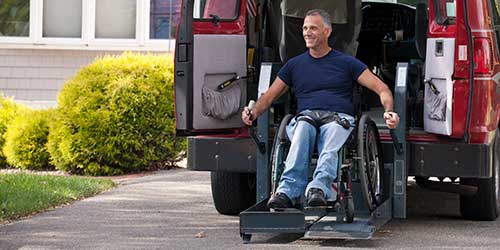
- Vehicle lifts: These systems load and unload wheelchairs, power chairs, or scooters from cars, vans, and SUVs. You can choose an interior or exterior hitch-mounted model. Each option requires a compatible vehicle and enough loading space.
If you’re still comparing options, visit our guide to the best wheelchair lifts to explore available models and find one that fits your mobility needs and budget.
Platform Size and Weight Capacity
Platform dimensions and weight capacity affect which wheelchair lift you can install. Measure your wheelchair or scooter and check the platform’s width, depth, and clearance.
Add the user’s weight to the wheelchair or scooter’s weight. Include a caregiver only if the lift allows another passenger. Check the manufacturer’s maximum weight limit before choosing a lift.
Wheelchair Lift Installation Process
Wheelchair lift installation involves site assessment, preparation, equipment installation, and safety testing. The exact steps depend on the lift type and your home’s layout.
What to Expect During a Pre-Installation Assessment
Before installation, accessibility professionals assess your home to determine which lift fits your needs. Providers such as Lifeway Mobility may offer a free consultation. They measure travel height, available space, staircase dimensions, and access points. They also check structural support and electrical access.
Ask for a written quote before approving the work.
Should You Hire a Professional to Install a Wheelchair Lift?
Most residential wheelchair lifts require professional installation. Accessibility professionals check measurements, mounting requirements, and structural support. Ask whether the installer has experience with your chosen model.
Some vehicle lifts allow simpler installation. However, check the manufacturer’s instructions and whether DIY installation affects warranty coverage. Hire a qualified installer for structural changes, electrical connections, or vehicle modifications.
Residential installations must follow applicable local building codes and manufacturer requirements. The Americans with Disabilities Act (ADA) covers certain public and commercial facilities. It doesn’t automatically apply to private residences. Check local requirements before installation.
How Long Does Wheelchair Lift Installation Take?
Installation time depends on the lift type and work required. Custom equipment, structural changes, and floor modifications can extend the process.
Also allow time for equipment ordering, site preparation, permits, and inspections. These steps can add time beyond the actual installation.
Installing Wheelchair-Accessible Stair Lifts
IPLs carry wheelchairs along staircases. Installers customize the rail system to match the staircase’s length, slope, and curvature.
- Initial measurements: The installer measures the staircase and checks available clearance. Curved staircases and intermediate landings may require custom rails.
- Structural preparation: The installer checks whether the staircase can support the lift. They then secure the mounting brackets and rail system.
- Platform and motor installation: The installer attaches the wheelchair platform and connects the drive system. Electrical and battery requirements vary by model.
- Final testing: The installer checks platform movement, weight capacity, safety controls, and emergency functions.
Installing Vertical Wheelchair Lifts
VPLs provide access to raised entrances, porches, and decks. When installing a Freedom vertical platform lift, follow the manufacturer’s requirements for site preparation and structural support.
Vertical Platform Lift Installation
- Site preparation: The installer prepares a level foundation and checks ground conditions, drainage, and available space.
- Platform and tower placement: The installer assembles the lift and secures its support structure. Correct alignment allows smooth movement.
- Power connection: The installer connects the lift according to the manufacturer’s electrical requirements. Some models include battery backups or manual lowering systems.
- Weather protection and testing: Outdoor models need protection from rain, snow, ice, and standing water. The installer checks the platform, gates, controls, and emergency functions.
Through-the-Floor Elevator Installation
- Measurements and floor preparation: The installer measures the available space and determines where the floor opening must go. Structural requirements determine its size and location.
- Cab installation: The installer prepares the opening and positions the elevator cab, following the manufacturer’s structural requirements.
- Drive system and electrical work: The installer connects the drive system and electrical components according to the model’s specifications.
- Final testing: The installer checks travel between floors, door sensors, weight capacity, and emergency functions.
Wheelchair Lift Installation for Cars
Vehicle lifts help load and unload wheelchairs, powerchairs, power wheelchairs, and scooters. Some models fit a wheelchair accessible van, while others work with cars, vans, and SUVs.
Vehicle Compatibility and Lift Placement
The installer checks your vehicle’s make, model, hitch rating, and available cargo space. They also compare the lift’s weight capacity with your wheelchair or scooter.
Interior lifts use cargo space but protect mobility devices from weather. Exterior lifts preserve interior space but expose devices to outdoor conditions. Your vehicle’s design and mounting points determine which option fits.
Vehicle Lift Installation and Testing
The installer secures the mounting system, attaches the lift platform or swing arm, and connects the electrical components. They then test the lift’s stability, lifting speed, controls, and safety straps or locks.
Ask the installer to demonstrate how to operate a wheelchair lift, including safe loading and unloading.
New Construction vs. Retrofitting Wheelchair Lift Installations
New construction gives you more control over lift placement, electrical access, and structural support. You can plan these requirements before building begins.
Retrofitting requires the lift to fit your home’s existing structure. Contractors may need to modify floors, decks, staircases, or electrical systems. These changes can increase installation time and costs.
Frequently Asked Questions (FAQs) About Wheelchair Lift Installation
Most wheelchair lifts come with a manufacturer’s warranty. Coverage varies by model and may include parts, labor, or installation. Check whether authorized installation is required and whether the manufacturer offers wheelchair lift maintenance, routine servicing, or local repair support.
Regular wheelchair lift maintenance includes checking safety gates, controls, rails, sensors, and electrical connections. Battery-powered models may also need battery checks or replacement. Follow the manufacturer’s maintenance schedule and ask accessibility professionals about servicing.
Help us improve our cost data! Email your latest wheelchair lift quote to [email protected]. Rest assured, your personal details will remain completely confidential.